Age 6–8 Science, Social Studies, and Language Arts
A Richly Connected Year of Learning
The Age 6–8 years are full of meaningful transitions. Children at this stage are becoming more independent readers, more curious thinkers, and more capable of connecting ideas across subjects. They are beginning to move from simply learning basic skills into using those skills to ask questions, solve problems, express opinions, and understand the wider world around them.
This curriculum was designed to support that exciting stage of growth.
Rather than separating science, social studies, and language arts into disconnected subjects, the units are woven together through big ideas that help children make meaningful connections. Students explore communities, cultures, relationships, nature, geography, history, matter, motion, and storytelling through hands-on projects, engaging literature, thoughtful discussions, creative writing, experiments, and real-world investigations.
Throughout the year, children learn not only how the world works, but also how people live together, how stories shape cultures, how scientific ideas connect to everyday life, and how their own thoughts and words can communicate understanding.
Why Language Arts Matters Alongside Reading
At this age, many children are making important progress in reading instruction. They are developing fluency, confidence, and the ability to read longer texts independently. But strong readers also need rich language arts instruction.
Reading instruction teaches children how to read.
Language arts teaches them what to do with reading.
In these units, students use literature, nonfiction, science investigations, historical topics, and cultural studies as opportunities to strengthen vocabulary, comprehension, writing, grammar, speaking, listening, and critical thinking skills.
Students learn how to:
- Discuss ideas and respond thoughtfully to books
- Write complete sentences and organized paragraphs
- Build vocabulary through meaningful context
- Explore grammar naturally through literature and writing
- Compare characters, communities, cultures, and perspectives
- Summarize information and explain ideas clearly
- Use descriptive language and figurative language in their own writing
- Ask questions, research topics, and present information
- Connect reading to science, geography, history, relationships, and culture
The goal is not simply to finish books, but to help children become thoughtful communicators who can understand, discuss, and express ideas with growing confidence.
For families continuing formal reading instruction or supporting developing readers, we highly recommend pairing these units with our Age 6–8 Reading program. The Reading program provides structured reading instruction while this curriculum builds the broader language arts foundation children need as they begin reading to learn.
An Interdisciplinary Approach That Helps Learning Stick
Children learn best when ideas connect naturally.
In Beyond the Page, science, social studies, and language arts are not treated as isolated subjects. When students read about communities, they explore government, geography, culture, economics, and citizenship. When they study stories from around the world, they examine literature, folklore, poetry, geography, and traditions together. When they investigate plants, animals, or weather, they combine scientific observation with reading, writing, art, and hands-on experimentation.
This approach helps students see learning as connected rather than fragmented. It also gives children a reason to read, write, discuss, and create because those skills are being used to explore meaningful topics.
Hands-on projects throughout the year include:
- Creating community brochures and cultural diaries
- Building habitats, food chains, and Earth exhibits
- Designing inventions and conducting voting activities
- Constructing globes, compasses, and balance mobiles
- Writing poetry, stories, scripts, reports, and reflections
- Researching holidays, historical figures, habitats, and cultures
- Performing skits and presentations
- Exploring maps, timelines, and environmental issues
These projects invite children to think deeply, communicate clearly, and engage actively with the world around them.
How the Year Is Organized
The year is organized around four broad concepts: Community, Matter and Movement, Culture, and Relationships. Each concept includes three integrated units that combine science, social studies, and language arts instruction.
Concept 1: Community
Students begin the year exploring how people, animals, governments, and environments work together within communities.

Unit 1
Communities Around the World
Children begin by discovering how communities meet the needs of the people who live within them. Students compare rural and urban communities, study rules and laws, investigate government roles, and explore holidays and traditions from around the world. Through projects such as creating a community brochure, conducting voting activities, and studying how communities change over time, students begin developing a deeper understanding of civic responsibility and global awareness.
Language arts instruction is woven naturally throughout the unit as students discuss ideas, compare information, complete writing activities, and communicate their understanding through projects and presentations.
Highlights Include:
- Designing a community brochure
- Exploring rules, laws, and voting
- Comparing rural and urban communities
- Researching holidays around the world
- Mapping community changes over time
- Investigating government roles and responsibilities

Unit 2
Citizenship
In this vibrant unit, students explore what it means to be an active and responsible citizen. Through stories, reflective writing, invention projects, and leadership activities, children consider how people contribute positively to their communities.
Students study inventors, community leaders, symbols, and democratic practices while strengthening reading comprehension, writing, vocabulary, and critical thinking skills. Activities encourage children to think creatively about how they themselves can help improve the world around them.
Highlights Include:
- Designing inventions to improve community life
- Creating a “Community Citizens Mobile”
- Studying inventors and community leaders
- Exploring the Pledge of Allegiance
- Designing personal and family flags
- Reflective writing about citizenship and leadership

Unit 3
Plants and Animals
This engaging science-focused unit explores the relationships among plants, animals, humans, and habitats. Students investigate life cycles, food chains, ecosystems, endangered species, and environmental conservation through hands-on projects and observations.
As students study scientific concepts, they also practice important language arts skills through creative writing, discussions, research, comparison activities, and descriptive projects.
Highlights Include:
- Conducting living things scavenger hunts
- Creating life cycle models
- Building food chains and habitats
- Designing imaginary animals with adaptations
- Exploring endangered species and conservation
- Creating a nature guidebook
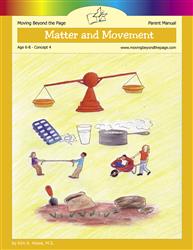
Concept 2: Matter and Movement
Students investigate the physical world through experiments, observation, movement, and creative exploration.

Unit 1
States of Matter
Students explore solids, liquids, and gases through hands-on science experiments and engaging projects. As they observe melting, freezing, evaporation, and motion, they begin building a foundational understanding of physical science concepts.
Language arts activities help reinforce learning as students write stories, describe observations, learn scientific vocabulary, and explain what they discover.
Highlights Include:
- Conducting ice, water, and steam experiments
- Exploring molecules in motion
- Observing dancing raisins in carbonated water
- Baking while studying chemical changes
- Predicting and testing sink-or-float experiments
- Writing stories using states of matter vocabulary

Unit 2
Earth
In this immersive environmental science and geography unit, students study Earth’s natural resources, recycling, conservation, pollution, landforms, and bodies of water.
Children create Earth exhibits, write creatively about the planet, conduct experiments, and discuss ways humans can care responsibly for the environment.
Highlights Include:
- Labeling continents and oceans
- Creating Earth books and recycled paper
- Building Earth models from recyclable materials
- Writing letters describing Earth to an imaginary alien
- Exploring pollution and conservation solutions
- Conducting wave and water experiments
Unit 3
Balance and Motion
Students investigate gravity, friction, balance, force, and movement through hands-on experimentation and creative projects.
The unit blends science, math, and language arts as students describe observations, perform skits, build models, and explain physical concepts using both scientific reasoning and creative communication.
Highlights Include:
- Building balance mobiles
- Exploring gravity and friction experiments
- Investigating push and pull forces
- Constructing motion tracks
- Acting out wordless balance and motion skits
- Drawing symmetrical designs and balancing equations
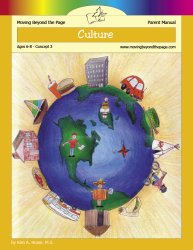
Concept 3: Culture
Students explore geography, traditions, storytelling, and cultures around the world.
Unit 1
Geography
This unit introduces students to maps, globes, continents, landforms, and environmental awareness through engaging hands-on projects and creative exploration.
Students learn geography skills while also strengthening reading, writing, research, and presentation abilities.
Highlights Include:
- Crafting paper mâché globes
- Building and using compasses
- Learning map symbols and keys
- Exploring world landmarks virtually
- Investigating natural disasters
- Creating geography-inspired art projects

Unit 2
People Around the World
Students take a fascinating journey through cultures in Asia, Africa, and South America. Through literature, crafts, food exploration, map work, and cultural studies, children develop empathy, curiosity, and appreciation for global diversity.
The unit integrates geography, science, social studies, vocabulary development, writing, and creative expression.
Highlights Include:
- Creating continent guidebooks
- Exploring cultural traditions and foods
- Studying animals and habitats
- Playing traditional games and making crafts
- Reading literature connected to world cultures
- Completing geography and mapping activities

Unit 3
Stories Around the World
This literature-rich unit introduces students to myths, legends, fables, fairy tales, nursery rhymes, and poetry from around the world.
Children compare stories across cultures while practicing comprehension, literary analysis, creative writing, storytelling, and performance skills.
Highlights Include:
- Writing original Cinderella stories
- Acting out myths and legends
- Exploring poetry and figurative language
- Comparing stories from different cultures
- Creating personal storybooks
- Mapping legendary journeys and folktales
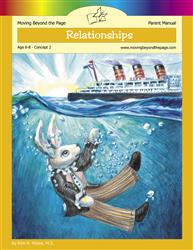
Concept 4: Relationships
Students explore the connections among living things, communities, history, families, and individuals.
Unit 1
Living Things and Their Environment
Students study habitats, heredity, ecosystems, life cycles, and food chains while investigating how organisms depend on one another within the natural world.
Hands-on science exploration is combined with writing, research, classification, observation, and creative projects.
Highlights Include:
- Exploring local habitats
- Creating food chains and ecosystem crafts
- Investigating heredity and genetics
- Comparing freshwater and saltwater environments
- Studying migration and seasonal changes
- Researching plant and animal life cycles
Unit 2
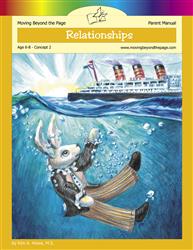
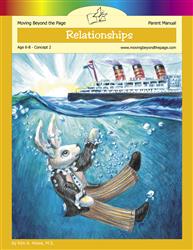
The Miraculous Journey of Edward Tulane
Using Kate DiCamillo’s beloved novel, students explore themes of love, loss, empathy, growth, and relationships.
This literature-based unit strengthens comprehension, vocabulary, grammar, writing, and literary analysis while encouraging meaningful emotional reflection.
Highlights Include:
- Creating vocabulary journals
- Exploring character relationships through illustration
- Writing creatively about wishes and personal growth
- Expanding sentences and practicing grammar
- Recording favorite story passages
- Creating digital presentations about relationships
Unit 3
Connecting with the Past
Students journey through important moments in American history while learning how the past shapes the present.
Children study historical figures, immigration, civil rights, timelines, and primary sources while developing reading comprehension, research, writing, and presentation skills.
Highlights Include:
- Creating personal timelines
- Exploring primary and secondary sources
- Studying immigration through Ellis Island stories
- Learning about Rosa Parks and Martin Luther King Jr.
- Creating “Famous Americans” books
- Completing a final historical presentation project
Writing Growth Throughout the Year
Writing instruction grows steadily and intentionally throughout the Age 6–8 year.
Students practice writing in many different forms, including:
- Complete sentences and organized paragraphs
- Descriptive writing
- Stories and creative narratives
- Poems and reflections
- Reports and presentations
- Journals and observations
- Scripts and skits
- Biographies and summaries
- Comparative writing activities
Because writing assignments are connected directly to science, social studies, literature, and hands-on learning, students always have meaningful ideas to write about.
Children also begin learning how authors communicate ideas through description, organization, word choice, dialogue, figurative language, and perspective. They first notice these techniques in literature and informational texts, and then begin applying them in their own writing.
Grammar and vocabulary are taught naturally through reading and writing activities rather than isolated drills. Students encounter language in meaningful context and immediately apply what they learn.
A Year of Discovery, Curiosity, and Growth
By the end of the Age 6–8 year, students have explored science, social studies, geography, literature, culture, relationships, and history through meaningful interdisciplinary learning.
More importantly, they have practiced thinking carefully, asking questions, discussing ideas, writing clearly, and making connections across subjects.
They begin to see reading not simply as a school skill, but as a doorway into understanding the world.
And as children continue growing as readers, writers, scientists, historians, artists, and thinkers, the integrated language arts instruction throughout these units helps ensure they are developing the communication and critical thinking skills they will need for years to come.
For families looking to strengthen reading skills alongside this comprehensive program, our Age 6–8 Reading program pairs beautifully with these units by providing additional structured reading instruction while students continue building vocabulary, comprehension, writing, and literary understanding across the curriculum.


