


Kindergarten - ELA
1: Letters

Unit 1: A - A Is for Musk Ox
Lesson 1
Day 1
Students are prompted to look at the book cover, point to the title, and explain that the title tells what the book might be about. Students are asked to point to the author and illustrator, hear their roles, and listen as the book is read through in one sitting. After reading, students answer comprehension questions about characters and the purpose of the alphabet and participate in follow-up activities (counting letter cards and ordering alphabet cards) that connect reading to purposeful tasks.
Lesson 2
Day 2
Activity 1 directs students to read and watch informational text about musk oxen and then discuss how that information compares with what the musk ox in the story says, including where musk oxen live, what they eat, how people use them, and threats they face. The activity asks students to learn and use the vocabulary word "herd" in context. Activity 3 asks students to act like a musk ox and have an adult guess what they are doing, providing an embodied way to demonstrate comprehension; an optional drawing extension asks students to represent their understanding in writing/drawing.
Lesson 3
Day 3
The lesson instructs the adult to read with the child and to have the child find each marked word (substituted with "musk ox"), point to the first letter, and say the letter aloud. It directs the child to locate pictured items that match words in the text and to track the text with a finger while reading the phrase "Hey! Hey you!" encouraging the child to say the sight word "you" independently. The lesson also prompts the child to discuss the vocabulary word "herd," read its definition, and explain why it fits the context.
Lesson 5
Day 5
Students participate in a regular Reading Workshop where an adult reads the first pages of books and uses a finger to follow the words from left to right, modeling how words are read. Students are then given the A is for Musk Ox book and encouraged to use their finger to trace across words from left to right and spend 5–8 minutes exploring the text independently. After independent reading, students are asked comprehension/reflection questions (whether they liked the book, why, and whether they would recommend it) and optionally draw a face showing their feeling about the book.

Unit 2: H - Hondo and Fabian
Lesson 1
Day 1
Students are asked to point to the book title and to find the author/illustrator, demonstrating active participation in a shared reading. Students listen as the adult reads the book and then answer explicit comprehension questions about characters, differences, and events (Who are the two characters? What did Hondo do? What did Fabian do?). Students actively respond and demonstrate understanding by acting out activities and by sorting actions as Hondo or Fabian in Activity 1.
Lesson 2
Day 2
Students are shown the cover of Hondo and Fabian and asked to name the two characters, demonstrating participation in a shared reading interaction and retrieval of character information. Students point to the letter H on the book cover, practice the initial /h/ sound, and form the capital H through tracing, connecting print to sound and practicing print tracking during a reading-related activity. Students sing the "Bingo" song while following and pointing to letters and are encouraged to substitute claps and to point to letters themselves, engaging with text and print during a group song activity.
Lesson 3
Day 3
Students read Hondo and Fabian with an adult and are prompted to look for the letter H, point to it, and identify the initial sound of words like "home," "happy," and "hungry." Students are asked to retell the story using pictures and prompts about beginning, middle, and end, to answer questions about characters' feelings, and to locate and read the sight word "he." Students also describe characters using die-cuts and record descriptive words, showing comprehension and purposeful engagement with the text.
Lesson 4
Day 4
Students page through the book together with an adult and are asked to identify how Hondo or Fabian moved, directly engaging with text and illustrations. Students look at pictures in the book and answer questions about characters doing things together or apart, connecting text details to personal experiences. Students practice reading-related skills by reviewing the sight word "he," identifying beginning sounds for H, and dictating a sentence about their painting tied to the story.
Lesson 5
Day 5
Activity 2 asks the child to spend 5 minutes looking at the book Hondo and Fabian, moving a finger left to right under the print and identifying capital letters at the beginnings of names. The parent is prompted to ask the child what he thinks about the names and to name a pet, creating a brief discussion about the text. The opening review also prompts the child to describe what a character is, which connects to basic comprehension discussion.

Unit 3: I - The Little Island
Lesson 1
Day 1
Students are asked to look at the cover, find the title, observe the illustration, and make a prediction about what the book will be about. Students are prompted to find the author and illustrator, listen to the reading, and then answer targeted comprehension questions about characters, events, and changes on the island. Students discuss the meaning of the vocabulary word 'island' and use a world map to compare islands and continents, showing purposeful engagement. Students complete follow-up activities (drawing the island, counting and placing objects, matching number cards) that require them to apply understanding from the reading.
Lesson 2
Day 2
Students are instructed to page through The Little Island book together, noting how the pictures progress through the seasons and discussing how the seasons affect the island. Students are asked questions connecting the story to personal experience (how seasons affect him) and to make choices during a pretend picnic (identify the season and choose appropriate gear). Students imagine seasonal changes and describe what accessories are needed as the picnic progresses through all four seasons, demonstrating purposeful comprehension and response to the text.
Lesson 3
Day 3
Students read the title together with the adult while pointing to each word and practice supplying a missing sight word when prompted. Students hear the book reread and are asked to retell the story in their own words using the illustrations as guidance. Students engage in comprehension practice by answering guiding questions and by classifying and acting out how animals move (air, land, water), linking text details to meaning.
Lesson 4
Day 4
The instructions tell the adult to read the first two lines of the story aloud and to continue through the second page while the child acts out motions for clouds, fish, fog, and the kitten (using words like "around," "over," "on," "under," "off," "beside"). The guide also directs practice reading three sight word cards and checking number cards by reading/identifying them. During the pan activity the child is asked to look at a picture of a stormy ocean, discuss how waves form, observe the pan demonstration, and decide what causes the waves, connecting reading/observation to purpose.

Unit 4: T - What Do You Do With a Tail Like This?
Lesson 3
Day 3
The text instructs to "Read the book with your child," prompting an adult-led shared reading experience. It has the child practice the sight word "this" by finding and reading it in the book and review the Tt letter sound. The text directs the child to identify whether the book is "make-believe or true" and to explain "what kind of information" they learned, engaging the child in purposeful comprehension discussion.

Unit 5: L - We're Going on a Leaf Hunt
Lesson 1
Day 1
Students are asked to read the book together with an adult ("read the title and the names of the author and illustrator and then read the book with your child") and to look at the cover and discuss clues about season and content. Students answer guided comprehension questions about enjoyment, challenges, and feelings and are prompted to look back through the story to find evidence. Students are introduced to the word "adjective," asked to identify descriptive words in the text, and to generate adjectives that describe leaves, supporting purposeful comprehension and vocabulary use.
Lesson 2
Day 2
Activity 3 instructs the child to act out the story while it is read and suggests including siblings, friends, or a grown-up to participate, which has students physically perform parts of the text. The activity also asks students to substitute general verbs like "go" with more specific verbs (skip, march, stroll, hop) and then act out those actions, prompting students to demonstrate comprehension through performance.
Lesson 3
Day 3
The lesson directs an adult and child to read the story together with the child pointing to and saying the sight word "go" each time it appears and to alternate reading a line while pointing to the word. The lesson asks the child to look together for adjectives in the story, identify words that describe the forest, waterfall, lake, and skunk, and repeat phrases like "dark forest." The map activity has the child sequence story events by drawing locations and using arrows to show the journey, demonstrating comprehension of story order and purpose.

Unit 6: F - Fireflies
Lesson 1
Day 1
Students are asked to look at the cover, describe what they see, and discuss what the children are doing, which prompts purposeful examination before reading. Students listen as the adult reads the book aloud and then answer specific comprehension questions (e.g., identify what is flickering, describe the boy's feelings, explain why he cried and smiled) that require them to use text and picture evidence. Students are prompted to explain vocabulary (flicker) and to find evidence in the pictures to support their answers, engaging them in discussion for understanding.
Lesson 3
Day 3
The text instructs an adult to read the book to the child and to encourage the child to read the word "said" when it appears, giving the child an opportunity to participate in reading aloud. The activities ask the child to locate and identify opposite word pairs in a passage and to answer counting questions about "fireflies," engaging the child in comprehension and purposeful tasks tied to the reading. The lesson also includes prompts to practice letter sounds and handwriting connected to words in the text, reinforcing word-level engagement during the reading activity.
Lesson 5
Day 5
Activity 2 (Reading Workshop) directs the child to review the illustrations and then tell the story in his own words using the illustrations as a guide. The activity then has the child discuss the book with an adult, answering questions about whether he liked the story, what parts were funny or surprising, and how he would feel letting the fireflies go. These tasks require the child to participate in a shared reading-related interaction and demonstrate comprehension.

Unit 7: E - But No Elephants
Lesson 1
Day 1
Students are asked to look at the cover and predict the book's topic and purpose, and an adult is directed to read the book with the child. After reading, students are prompted to answer targeted comprehension questions about Grandma Tildy's life and identify predicaments and solutions. Activities require students to use the book as a reference to sequence visiting animals left to right and practice ordinal numbers, demonstrating engagement with the text and purpose-driven tasks.
Lesson 2
Day 2
Students are asked to recall vocabulary words and explain their meanings and examples, and to name a predicament Grandma Tildy faced in the story But No Elephants, requiring comprehension of the text. The lesson directs an adult and child to look at illustrations together and asks the child to describe positions using words like "in," "on," "under," and "beside," prompting purposeful discussion tied to the book. These tasks require active verbal participation and demonstration of understanding during shared reading time.
Lesson 3
Day 3
The text instructs an adult and child to read the book together, including a prompt to "read the title of the book together" and have the child read the sight word "no" at the appropriate time. It directs the adult to read the book again, to point to the word "no" and let the child read the word. It asks the child to explain what happened in the story after reading, and includes review of letter sounds and sight words before reading.
Lesson 4
Day 4
Students listen and respond during a dramatic retelling using stick puppets, holding up each animal as it is introduced (Activity 2). Students look back at pages of the story and answer directed comprehension questions about Grandma Tildy's actions and the pets' roles (Activity 1). Students sort a set of household objects into wants and needs and explain and count their choices, demonstrating understanding tied to the story events.
Lesson 5
Day 5
Students are guided to read the first few pages with an adult while moving their finger left to right under each line, modeling print directionality. Students then spend time alone to "read" the rest of the book, tracing words with a finger, retelling the story in their own words, or looking at pictures. After reading, students talk about the book and answer comprehension questions such as whether they enjoyed it, their favorite part, and imagine a different ending.

Unit 8: C - Millions of Cats
Lesson 1
Day 1
The lesson instructs the adult and child to "Look at the cover of the book together," to "Read the book together and then discuss the following questions," and provides eight specific comprehension questions about plot, characters, and vocabulary. Activity 2 has students re-read another text (Hondo and Fabian), page through it to remember the story, and then construct a large Venn diagram to compare the cats in Millions of Cats with Fabian, prompting students to list similarities and differences. The Skills section explicitly lists "With prompting and support, compare and contrast the adventures and experiences of characters in familiar stories" and "Participate in shared research and writing projects," which aligns with purposeful group reading and discussion.
Lesson 4
Day 4
Students read the poem with an adult, create motions line by line, and practice putting the motions together so they can perform them; they then perform the motions for their family while the poem is read. Students participate in repeated readings and memory practice (leaving out rhyming words and supplying them) to support active engagement and comprehension. Students find informational resources about a chosen pet and present what they learned via a poster or a "pet talk" to family members, linking reading/research to purposeful communication.

Unit 9: G - The Real Mother Goose
Lesson 1
Day 1
Students listen to or read a selection of nursery rhymes together (Read and/or listen to some of the most familiar poems) and talk about the poems, identifying what is silly and why. Students track text with their fingers while reading, practice the sight word "saw," and are asked to supply missing end-of-line words when a poem is read with the line endings omitted. Students act out a poem in paired role-play (child as bird / adult as child, then swap) and are asked to memorize and recite the poem over the week.
Lesson 2
Day 2
Students read and practice the poem "The Little Bird" together, reading it once or twice and then supplying words. Students read the poem "The Year" aloud together and sing the months to a familiar tune to practice reciting months in order. Students discuss what happens in January (weather and activities) and create month boxes with drawings or magazine pictures to show understanding of each month.
Lesson 3
Day 3
Students read or listen to multiple poems (e.g., "Wee Willie Winkie," "The Cat and the Fiddle") with an adult and are asked to identify rhyming pairs as they notice them. Students practice a poem together, supply missing words, and are asked what their favorite poem is and why. Students co-create a new rhyming poem on the computer by changing end words and producing rhyming pairs.
Lesson 4
Day 4
Students reread and sing poems and nursery rhymes together (Getting Started: practice the poem "The Little Bird" and Activity 2: Singing Nursery Rhymes), with opportunities to supply missing words and join in singing. Students reread the poem "The Year" and collaboratively create a "Months of the Year" book, adding month names and symbols/pictures about weather, activities, and events. Students participate in oral review activities (rhyming with "car" and singing the months song) that require active verbal contribution and recall.
Lesson 5
Day 5
Activity 1 instructs an adult and child to "Read these poems together" and to "Talk about the poems together and identify the spherical objects described," which requires shared reading and discussion. Activity 1 also has the child name spheres and use the word "sphere" in sentences, practicing discussion for meaning. Activity 2 asks the child to listen to poems on the CD and "follow along each with poem by moving her finger from left to right as she listens and reads," which shows active engagement and print tracking during read-alouds.

Unit 10: O - Owl Babies
Lesson 1
Day 1
Students are prompted to look at the cover, describe what they see, and predict whether the book will teach facts or tell an imaginary story, which focuses reading with a clear purpose. Students listen to the book being read aloud and answer comprehension questions asking whether the book told a story or taught facts and how they know, requiring them to cite evidence (names, speech, emotions). Students are asked to distinguish fiction from nonfiction and to name true facts in the book, demonstrating understanding of text purpose and content.
Lesson 2
Day 2
Students listen as an adult reads Baby Owl, are asked to predict whether the book is fiction or non-fiction, and then confirm their prediction after the reading. Students watch an owl video and dictate or write facts they learned into designated spaces on the owl research activity page. Students learn and rehearse the poem with motions and are asked to perform it for family or friends, showing purposeful engagement and comprehension.
Lesson 3
Day 3
Students read Owl Babies with an adult and are prompted to read Bill's line "I want my mommy!" while following the words, practicing fluency and print tracking. Students locate, read aloud, and add the sight word "want" to a review box for repeated practice. Students are asked to retell the story in their own words and to listen for how the music changes to identify and explain characters' feelings.
Lesson 4
Day 4
Students are asked to recite the poem "The Wide-Eyed Owl" together, which requires joint oral reading. Students are instructed to practice and perform a Reader's Theatre script with two family members or friends, taking turns reading lines for assigned characters. Students are prompted to compare the book Owl Babies to real owls by answering what the owls in the book can do that real owls cannot, which requires comprehension of the text.
Lesson 5
Day 5
In Activity 2 students are asked to examine two owl books, think about which is fiction and which is nonfiction, identify clues that support their ideas, and then report their findings orally. Activity 2 prompts students to compare illustrations and text (e.g., photographs vs. paintings, talking owls vs. factual statements) to demonstrate understanding. Activity 3 has students produce a factual page and a fictional story about owls, requiring them to apply their genre understanding in writing and drawing.

Unit 11: S - Seasons of Arnold's Apple Tree
Lesson 1
Day 1
Students are prompted to look at the front cover, describe what they see, and examine the pictures to infer what they represent. Directions tell an adult to "read the book with your child" and include guided comprehension questions (e.g., Name the four seasons; Look at what Arnold does during each season; What are your favorite activities?). The Skills list explicitly includes "With prompting and support, identify characters, settings, and major events in a story" and "describe the relationship between illustrations and the story."
Lesson 3
Day 3
The child is read The Seasons of Arnold's Apple Tree and is asked to find and read the sight word "some" in the sentence and during a second reading, showing repeated, participatory reading. The child is asked a comprehension question (What gift did the tree give Arnold in each season?) that requires understanding of the text. The child hears and responds to the poem "The Seasons," names seasons based on adjectives read aloud, and generates additional descriptive words, demonstrating engagement with meaning.
Lesson 4
Day 4
The lesson directs the caregiver and child to "look at the page where Arnold's family works together" and asks the child to explain how each family member contributed and why they worked together, which requires reading a book page and answering comprehension questions. The lesson also instructs a review of "letter sounds and sight cards," which has the child practice reading-related skills aloud with an adult.
Lesson 5
Day 5
Activity 2 asks the student where and when The Seasons of Arnold's Apple Tree took place and explicitly teaches the term "setting." The student is directed to look through multiple books with outdoor settings to identify the setting and the season and to note clues that indicate the season. The student then shares the setting and the clues with the adult, practicing comprehension and purpose-driven discussion.

Unit 12: D - Dinosaurs Big and Small
Lesson 1
Day 1
The text instructs an adult to "Read the book to your child and then discuss these questions," and provides specific discussion prompts (predicting from the cover, determining fiction vs. non‑fiction, and identifying key facts about dinosaurs). The Skills list explicitly includes: "With prompting and support, ask and answer questions about key details in a text" and "Name the author and illustrator...", which guide student participation during reading. Activities ask the child to respond (compare lengths, describe characteristics, create a dinosaur and describe its features), promoting purposeful discussion and comprehension during and after the shared reading.
Lesson 2
Day 2
Students are asked to look at Dinosaurs Big and Small, show a dinosaur from the book, and name one interesting characteristic, which prompts them to attend to text details and explain meaning. Students are directed to pages that mention fossils and to discuss how paleontologists use bones and footprints, engaging them in content-based discussion tied to specific text references. Students look at the book cover to find the uppercase D, practice the letter and sound while tracing and writing, and listen to a song while acting out the words, all of which require active participation during shared activities.
Lesson 3
Day 3
Students are prompted to read Dinosaurs Big and Small aloud with an adult, with instructions to "be on the lookout for the word 'big' and have your child read it as it occurs." Students are asked to join in reciting the poem, with the teacher/adult pointing to words, teaching motions, and prompting the child to say the poem together. Students are asked comprehension questions after reading (e.g., asking what "sprawl" means and what new information surprised them) that require them to reflect on meaning and purpose.
Lesson 5
Day 5
The lesson instructs an adult to read page 13 of Dinosaurs Big and Small to the child and asks the child to be on the lookout for adjectives, giving the reading a clear purpose. It directs the child to look through supplemental books to find or think of describing words and to share the adjectives found. The activity includes both an adult-led read-aloud and independent book exploration followed by sharing, which require purposeful engagement and demonstration of understanding.

Unit 13: P - Harold and the Purple Crayon
Lesson 1
Day 1
An adult is instructed to "Read the book to your child" and to have the child look at the cover and predict the topic, prompting purposeful pre-reading engagement. Three comprehension questions ask the child to reflect on Harold's adventure, difficulties, and feelings, requiring understanding of the text. Activity 1 asks the child to recall specific predicaments and solutions from the story and propose new solutions using imagination, and Activity 2 has the child identify shapes on the book pages and sort cut-out squares and rectangles, all prompting active participation.
Lesson 3
Day 3
Students are instructed to reread Harold and the Purple Crayon with an adult and to read the sight word "made" as it appears in the story, practicing reading with purpose. Students are asked four specific comprehension questions (most interesting thing, most amazing drawing, scary moments, how he got home) that require them to respond about the text. Students engage in Word Play and vocabulary discussion (e.g., meanings of "trim" and different senses of "drew"), connecting word meaning to context.
Lesson 5
Day 5
The Reading Workshop directs an adult and child to "look at the first few pages of the story together," point out periods, and have the child trace sentences from left to right. The child is encouraged to read independently by tracing lines with a finger and tapping the period at the end of each sentence. The Writing Workshop has the child dictate or write a description and circle the periods, reinforcing sentence boundaries and punctuation recognition.

Unit 14: B - Blueberries for Sal
Lesson 1
Day 1
The text instructs an adult to read Blueberries for Sal with the child and to have the child look at the cover, make predictions, and identify the illustrator, prompting purposeful engagement before reading. After reading, the child is asked to answer six specific comprehension questions (who was looking, why they wanted blueberries, what each child was supposed to do, what happened, how characters felt, how the story ended), which require understanding of characters, events, and feelings. The lesson also directs the child to flip through the book and note illustration choices, supporting purposeful interaction with the text and meaning-making.
Lesson 3
Day 3
The child is read the book Blueberries for Sal and is asked to look for the sight word "she" and read it aloud when the teacher points to it. The child is prompted to retell the story in his own words, using the pictures as prompts. The teacher models reading a specific page with the child and has the child read the repeated sight word on that page.
Lesson 4
Day 4
The lesson directs an adult and child to read nonfiction material about bears and the picture book Blueberries for Sal, then create a two-column list labeling elements as 'Fiction' or 'Non-Fiction,' which requires the child to compare and classify text content. The lesson also has the child sing and add motions to the song 'The Bear Went Over the Mountain,' engaging the child in a shared, performative reading activity. These tasks require the child to participate actively and show understanding of differences between factual and fictional representations and to follow along in a group singing/reading context.
Lesson 5
Day 5
The Reading Workshop asks the child to examine books (like Blueberries for Sal) and search for clues that identify the setting as the past. The child is prompted to look independently and then share findings with an adult, using guiding questions about clothing and technology to support identifying when the story takes place. These steps require the child to read (or look at) text and pictures with a specific purpose and to explain understanding aloud.

Unit 15: R - Rain
Lesson 1
Day 1
Students are asked to look at the book cover, listen to an adult read Rain while the child points to the words and colors, and answer questions about the content and author's choices (questions #1–#3). The lesson directs adults to stop during reading to ask the child what she thinks will happen next and to discuss different kinds of rain (predicting and connecting to experience). Students read the story a second time and then place die-cut pieces on a sky mat to recreate and sequence the story events (retelling and sequencing).
Lesson 3
Day 3
Students are read the book while an adult points to each word and then are asked to read the book back, pointing to words they recognize (for example the sight word "on"). After each page, students manipulate die-cuts to match the page, connecting text to concrete illustrations. In Activity 3 students point to objects in a created scene and use describing words (e.g., "purple flowers"), showing comprehension of the text.
Lesson 5
Day 5
Activity 2 asks the child to practice reading the book aloud using pictures and the colors of the type as a guide. Activity 2 then directs the child to read the book to a sibling, pet, stuffed friend, parent, or family member and to read the book she wrote about colors to her family. These steps require the child to read aloud for an audience and to use visual cues to support meaning.

Unit 16: N - Night in the Country
Lesson 1
Day 1
Students are asked to look at the cover and describe what they notice, to read Night in the Country with an adult, and to answer and discuss specific comprehension questions (e.g., time of day, feelings about nighttime, author's attitude). The lesson directs students to explore vocabulary (the meaning(s) of "country") and to discuss differences between city, suburbs, and country, linking discussion to understanding of the text. Follow-up activities (answering questions after reading, a listening walk that connects to the book, and discussing personal preferences) require students to engage with the text purposefully and demonstrate comprehension.
Lesson 3
Day 3
Students are asked to read the sight word card "there," read the word "there" in the book, and look for and read that word during a second reading. Students are asked to tell the story in their own words using the pictures as a guide, and to answer comparative questions (one difference between life in the country and life in the city). The teacher/parent reads the book aloud twice with the child, prompting active participation and purposeful search for a target word.
Lesson 4
Day 4
The Onomatopoeia activity directs the adult and child to "go through the book with your child, looking at the examples below" and has the child act out the actions and make the sounds, which requires active, shared reading. The activity also asks the child to find and perform additional onomatopoeic words, reinforcing purposeful engagement with text and demonstration of understanding. The review of letter sounds and sight word cards also prompts interactive reading-like practice between adult and child prior to the activities.
Lesson 5
Day 5
The Reading Workshop asks the child to "read" independently, look at the pictures, and identify one or two questions they'd like to know more about after reading. The child is prompted to share those questions with an adult and discuss them, and to do research to find answers if appropriate. The teacher/adult models asking questions by looking at the book with the child and giving an example question first.

Unit 17: M - Marshmallow
Lesson 1
Day 1
Students are prompted to look at the book cover and make predictions about the title and content, establishing a purpose for reading. Students are told to "Read the book with your child" and then answer multiple post-reading comprehension questions (e.g., how Marshmallow acted, advantages/disadvantages, why Oliver hesitated) that require recall and explanation. Students are asked to distinguish fiction vs. non-fiction and to define and apply vocabulary (hesitated), demonstrating attention to meaning and understanding.
Lesson 2
Day 2
Students look with an adult at the part of the book where Oliver is reprimanded and discuss how Oliver followed the rules, answering questions about why the rules are important. Students reread the poem on the last page multiple times with an adult and each time supply an omitted word, practicing comprehension and recall. Students are encouraged to memorize the poem and perform it for friends or family, which requires purposeful engagement with the text.
Lesson 3
Day 3
Students are asked to practice and read the sight word "out" using a matching word card and to read the word aloud as it occurs during a rereading of the book. After reading, students are prompted to tell the story in their own words and to use the pictures as prompts, which targets comprehension and purposeful retelling. The lesson also has guided practice elements (pointing to words, practicing letter sounds) that support purposeful reading and understanding.
Lesson 5
Day 5
Students are read two poems aloud and are asked to compare how poems sound different from stories, identifying rhyming pairs and verse formatting. Students examine pages to find visual clues that indicate a poem versus a story and are given books to independently sort as story books or poetry/nursery rhyme books. Students share their findings, describing why a book is a poem or a story, demonstrating comprehension and purposeful engagement.

Unit 18: U - Umbrella
Lesson 1
Day 1
Students are prompted to look at the front cover and make predictions before reading, and an adult is instructed to tell a related anecdote to set purpose. Students are asked to recall events and answer explicit comprehension questions (Questions #1–#4) after reading, and the Skills section includes "With prompting and support, ask and answer questions about key details in a text." The lesson also teaches vocabulary ("unfortunately" and the prefix "un-") and directs students to discuss word meaning during reading, supporting purposeful understanding.
Lesson 3
Day 3
An adult reads the story Umbrella to the child and then asks the child to tell the story in his own words, using pictures to prompt retelling. The adult points out a specific sentence and the word "not," has the child read it back, and asks the child to help find that word elsewhere in the story. The child is prompted to practice letter sounds and to use cues from the text and illustrations to demonstrate understanding.
Lesson 5
Day 5
Activity 2 has students look at page 2, find and read capital letters, and explain why each word is capitalized (beginning of sentence, person's name, place name). Students spend independent time looking at the book Umbrella and are asked comprehension questions about what they liked and whether they would recommend the book and why. Activity 3 has students read (or be read to) their own writing, point to where they wrote their name, and explain why they used capital letters.

Unit 19: J - Jump Frog Jump
Lesson 1
Day 1
The directions tell an adult to "Read the book with your child," and to ask the child specific comprehension questions after reading (e.g., how the frog escaped, which animals the frog escaped). Activity 1 has the child cut out and order story sequence pictures while consulting the book and then read the sentences in order, which requires using the text to determine sequence. The questions and sequencing activity require the child to respond, explain, and demonstrate understanding of the text.
Lesson 2
Day 2
The lesson asks the child to sing and perform the finger-play song "Five Little Speckled Frogs," create motions, and count down on fingers, which requires active participation during a shared recitation. The lesson also prompts the adult to review vocabulary with the child and to have the child locate the uppercase J on the front cover of a book, actions that involve interactive, guided reading-related talk and pointing to print.
Lesson 3
Day 3
Students read the book aloud with an adult and on a second reading are asked to read specific sight words and phrases (for example, the word "how" and the phrase "Jump, frog, jump!"). Students arrange story sequence cards from Day 1 in order and use them to tell the story, demonstrating comprehension of sequence. Students act out positional relationships from the text using die-cuts and room props and then generate original sentences using direction words while showing the relationships physically.
Lesson 4
Day 4
Students are asked to read a nonfiction book or read the provided website about the life cycle of a frog and then talk about what a life cycle is, which requires shared reading and discussion for understanding. The plan also directs students to sing "Five Little Speckled Frogs" together and to act out animals using die-cuts from the story, which engages students in joint, interactive reading-related activities and turn-taking.
Lesson 5
Day 5
In Activity 2 students are asked to look at the repeating sentence in the book, notice the question mark, ask and answer questions, and practice reading the book to themselves and then to an adult. Activity 2 also asks students to reorder story sequence cards, which requires them to demonstrate understanding of story order. Activity 3 has students generate and write a question about an animal, reinforcing the comprehension focus on question forms.

Unit 20: K - Kindness
Lesson 1
Day 1
The directions ask an adult to "Read the book with your child," have the child look at the cover, make predictions, and discuss the title, prompting an interactive shared reading experience. Comprehension prompts require the child to identify acts of kindness in the story, explain the vocabulary word "grand," and answer targeted questions about events and characters. Follow-up activities ask the child to count and sequence characters from the text and to describe kindness after watching a related video, linking active tasks directly to the reading.
Lesson 2
Day 2
Activity 3 instructs the child to choose characters from a book and act out scenes with a parent or sibling, which requires the child to use content from the text and demonstrate comprehension. The review asks the child about acts of kindness and Activity 1 uses the "Kindness Mouse" page (the title is referenced in Activity 2), prompting the child to locate and talk about text elements such as the uppercase K and to use the page as a prompt during puppet interactions.
Lesson 3
Day 3
Students are prompted to find specific pages and read a targeted sentence aloud ("So, when someone need help, just give them a hand."), and to read the sight word "so" both from the book and from a word card. Students reread the book and answer comprehension questions about which act of kindness was especially thoughtful and how one act led to others. Students complete a chart categorizing animal actions versus human actions, articulating understanding of characters and story elements.
Lesson 5
Day 5
The Reading Workshop asks the child to look carefully at pictures and practice retelling the story through them, then retell the story to an adult, which requires purposeful comprehension. Activity 1 directs a discussion about how acts of kindness led to more acts, asking the child to estimate and participate in counting during a 100-step walk, which engages the child in an interactive reading-related discussion. Activity 3 has the child choose a favorite book, write or dictate a brief description and reasons they like it, and then read their writing or have it read back to them, engaging the child in sharing a response to reading.

Unit 21: V - Zin! Zin! Zin! A Violin
Lesson 1
Day 1
Students are prompted to preview the book cover and identify instruments before reading, and then an adult reads the book with the child. Students are asked specific comprehension questions after reading (e.g., naming new instruments, describing what animals did, describing audience response). Students complete linked, active comprehension tasks such as matching instrument pictures to ensemble sizes and labels and orally communicate observations about instruments and ensembles.
Lesson 3
Day 3
Students are asked to listen to a read-aloud of Zin! Zin! Zin! A Violin and to look for the word now as the book is read, giving them a clear purpose during the reading. After reading, students use the book to place instrument pictures in the order they appear, which requires them to recall and sequence events from the text. Students answer follow-up questions about the instruments and relate book content to activities (shapes, goods/services), demonstrating comprehension tasks tied to the reading.
Lesson 5
Day 5
Students and an adult read the first page of Zin! Zin! Zin! A Violin together, with the adult leaving off the last word so the student supplies the rhyming word (e.g., supplying "trombone" and "solo"). Students are asked to identify which words rhyme on the page (along/song, trombone/alone, two-o/duo). Students spend independent time with the book and then point out rhyming pairs they have found to the adult.

Unit 22: Y - Little Blue and Little Yellow
Lesson 1
Day 1
The text directs an adult to read Little Blue and Little Yellow aloud to the child and to have the child look at the cover, make observations, and make predictions before reading. After reading, students are asked detailed comprehension questions and encouraged to turn back to pages and re-read sections to find answers. The skills list explicitly includes asking and answering questions about key details and confirming understanding by requesting clarification, which students practice through the guided Q&A.
Lesson 2
Day 2
Students are prompted to define vocabulary words in their own words and answer oral questions about word meanings and patterns, demonstrating active engagement with text-related language. Students are asked to recall details from previously read stories (Marshmallow, Harry the Happy Mouse, Little Blue and Little Yellow), look back at pictures, and answer comprehension questions about friendship, citizenship, and rule-following. Students practice letter recognition and sound for Y by examining the book cover and title page and by tracing and writing the uppercase Y, linking print features to meaning.
Lesson 3
Day 3
Students read and practice the sight word "they" in context by locating and reading it on pages of Little Blue and Little Yellow and when the adult reads the story aloud. Students listen to the story being read and then use pictures and balls of dough to retell and act out the story in their own words, demonstrating comprehension. Students are prompted to read specific words during shared reading and to orally reconstruct the story, showing purposeful engagement with the text.
Lesson 4
Day 4
Students look back through Little Blue and Little Yellow with an adult and answer specific questions about how the author shows parents, feelings, and settings. Students retell the story using torn paper characters and create a glued scene, then write or dictate what is happening to demonstrate comprehension. Students complete related activities (letter-sound pages and a nature scavenger hunt) that require purposeful observation, categorizing, and discussion about the text and related objects.
Lesson 5
Day 5
Activity 2 directs an adult to show a page where dialogue occurs and to point out the quotation marks, explaining they mark a speaker's exact words. The activity asks the child to spend time with the book independently to find another use of quotation marks and to identify who is speaking, then to discuss findings with the adult. These actions require the child to read with a specific purpose (locating quotation marks) and to demonstrate understanding by identifying the speaker.

Unit 23: W - George Washington's Birthday
Lesson 1
Day 1
Students are asked to read George Washington's Birthday together with an adult and to examine the cover and the dollar bill to compare images and background. Students read the book and its informational sidebars, discuss the meaning of the word "myth," identify the word "tyrant," and answer questions about whether the book is fiction or nonfiction. Students are prompted to give opinions about parts of George Washington's life, recall details, and explain lessons learned from the story.
Lesson 2
Day 2
Students are asked to reread the first two pages of the book and identify which days of the week were mentioned, and to say all the days of the week. Students listen to and discuss the picture of the American flag (noticing stars and stripes) and count the number of stars and stripes. Students read four word boxes aloud and choose which box should be the title, then cut, glue, and label pictures (Statue of Liberty, United States Flag, Bald Eagle).
Lesson 3
Day 3
Students are shown the sight word card "went," asked to repeat it, and then asked to read the word "went" aloud while the adult points to each word in the sentence. The adult and child read the book together (adult reads, child follows and reads targeted words), providing a shared/interactive reading experience. After reading, students page back through the book, recapping each story about George Washington and identifying whether each one is a myth or a fact, demonstrating a purposeful comprehension activity.
Lesson 4
Day 4
Students are asked to listen as an adult reads pages about George Washington and Benjamin Franklin and to discuss admired qualities, providing a clear purpose for the reading. Students are prompted to deduce the meanings of italicized vocabulary from sentence context and then to act out the sentences, requiring active participation and demonstration of understanding. Students watch short informational videos with an adult and talk about the content and reasons those historical figures are important, engaging in shared reading/viewing with comprehension-focused discussion.
Lesson 5
Day 5
Activity 2 (Reading Workshop) asks the child to look for different places text appears on the page and to think about the purpose for those placements. The child is prompted to spend time with the text independently, then share observations and answer comprehension questions (why she enjoyed the book, whether she would recommend it). These steps require the child to attend to meaning and purpose while reading and to explain understanding aloud.

Unit 24: Q - The Quilt Story
Lesson 1
Day 1
The lesson instructs an adult and child to look at the book cover together, discuss what a quilt is, and then read The Quilt Story aloud. After reading, the child is asked comprehension questions (e.g., How did you know the story took place long ago? How did the quilt help both girls?) and is prompted to discuss vocabulary (the meaning of "shavings"). The activities require the child to make observations, answer questions, and relate illustrations to story events, demonstrating purposeful engagement and understanding.
Lesson 2
Day 2
Students are instructed to go through the beginning pages of The Quilt Story and identify ways the family used natural resources (wood, tea, beeswax, etc.), which requires reading and extracting information with purpose. Students are asked to identify landforms mentioned or shown in the story (hills, prairie, river), and to discuss character qualities of Daniel Boone after viewing related materials, which requires comprehension and talk about text content. The lesson uses a map and read-aloud prompts (e.g., questions about settlers and Native Americans) that require students to connect the text to background knowledge and participate in guided discussion.
Lesson 3
Day 3
The child is asked to listen to The Quilt Story and to read the sight word "under" aloud when prompted, showing active participation in the reading. The child is asked to tell the story back in his own words, demonstrating comprehension and purposeful engagement with the text. The child completes a "Then and Now" Venn diagram comparing setting and characters at the beginning and end of the story, practicing understanding of story elements.
Lesson 4
Day 4
Students are asked to listen as an adult reads the descriptions on the "Famous Americans and Their Holidays" and "Other American Holidays" pages and then cut out, glue, or color pictures that match each description, showing comprehension of the text. Students are directed to use the "Letter Sounds: Q" page to identify beginning letters for pictured words, circling the correct letter and practicing writing, which requires attending to written words and sounds. The review directions tell students to respond to adult prompts (identify and trace shapes, review letter sounds and sight words), indicating interactive, read-aloud or guided activities with the adult.
Lesson 5
Day 5
Activity 2 (Reading Workshop) asks the child to consider the role of illustrations and to look at Abigail's facial expression on the cover, prompting the child to explain how the picture helps him understand the book. The child is encouraged to spend independent time with the book examining words and pictures and then to point out expressions and explain what he learns about the story. The adult is instructed to ask follow-up questions that require the child to articulate meaning drawn from the text and images.

Unit 25: X - An Extraordinary Egg
Lesson 1
Day 1
Students are asked to look at the cover and listen as an adult reads The Extraordinary Egg, then answer explicit comprehension and connection questions (e.g., identifying what was inside the egg and comparing friendships across books). Students actively search the text for examples in Activity 2, dictating instances where frogs act like real animals versus fictional characters, recording ideas on index cards, and sorting them under "Facts About Frogs" or "Fictional Frogs." Students also participate in interactive counting in Activity 1 by pointing to numbers on a number chart and placing a token on a given number, demonstrating engagement during reading-related activities.
Lesson 2
Day 2
The lesson directs an adult to talk with the child about the animal in the story and to ask targeted comprehension questions (e.g., what did the frogs think it was? Were they right?). It prompts the child to look at the front cover of the book and find the lowercase letter x and to practice sounds and letter recognition while referencing words in the text. The lesson includes interactive prompts to review letter sounds and sight words and to have the child read or identify numbers on a chart, which involve read-aloud identification and discussion.
Lesson 3
Day 3
Students are asked to read the sight word "look" in context by pointing to it on the second page and reading it as an adult reads the sentence. Students read An Extraordinary Egg with an adult and are prompted to retell the story in their own words using pictures to sequence events. Students also read and repeat individual words containing the letter x on the "Words with X" page, circling the target letter as they identify it.
Lesson 4
Day 4
Students are asked to "Read with your child to learn some facts about alligators," which has them read informational text together. Students are prompted to "look at the life cycle of a frog... recall the stages" and to explain "how that differs from the life cycle of a frog," showing comprehension questions tied to the reading. Students act out frog and alligator life cycles, physically demonstrating understanding of what they read. The review prompts ask students to read numbers and sight words aloud and respond to questions (e.g., "Ask him what comes next"), requiring active participation during reading-related activities.
Lesson 5
Day 5
Students and an adult look at pages of the book together while the adult points out the words a character says and the quotation marks that show dialogue. Students are asked to identify quotation marks on a later page and the adult reads the words the character spoke. Students then spend time independently with the book looking for quotation marks, point out examples they found, and answer what they liked about the book.

Unit 26: Z - Greedy Zebra
Lesson 1
Day 1
Students are asked to examine the book cover and locate where zebras live on a world map, connecting background knowledge to the reading. An adult reads the book aloud to the child while prompting the child to predict events, discuss the vocabulary word "greedy," and compare examples. After reading, students are asked to explain how the zebra was greedy, what happened as a result, and whether the outcome was deserved, demonstrating comprehension and purpose.
Lesson 3
Day 3
The lesson has the child read a sight word card and read the word "new" in the sentence from Greedy Zebra, and the child is encouraged to read the word as it occurs in the story. After reading, the child is asked to use illustrations to retell the story and to predict what would have happened if Zebra had not been greedy. These activities require the child to actively participate in reading, demonstrate comprehension, and make inferences based on the text and pictures.
Lesson 5
Day 5
In Activity 2 students look through a stack of books together with an adult and are asked to think about how books are similar and different, demonstrating participation in a shared reading task. They identify books with animal characters, choose two to state one similarity and one difference, and identify the setting for chosen books, which requires comprehension of text features. Students are also asked to identify three nonfiction books and recall the subject of each, and to choose and explain favorite books, showing purposeful discussion about texts.
2: Holidays

Unit 27: Halloween
Lesson 1
Day 1
Students are asked to read Goodnight Moon together and then listen to and read Goodnight Goon, with directions to listen for the word "lagoon" and decide which definition fits the context. Students compare and contrast the two book covers and discuss similarities and differences and why Goodnight Goon was written, answering explicit post-reading questions. Students generate rhyming words for "goon" and participate in follow-up activities (predicting and counting wraps) that connect comprehension with purpose.
Lesson 3
Day 3
The text directs an adult to read Goodnight Goon and to "encourage him to join in at the ends of lines if he knows the word that will follow," which asks the child to actively participate during the read-aloud. The text asks the child to explain what a lagoon and a goon are and to choose a page he thinks is funniest or most clever and explain why he likes it, which requires comprehension and purposeful response. Review of letter and sight word cards also supports engagement with text and word-level understanding during reading activities.
Lesson 5
Day 5
Activity 2 directs an adult to explain that the book is like a poem and to point out rhyming words (for example, pointing to "claws" and "jaws"). The adult asks the child to guess rhyming words on subsequent pages (bat and hat), encourages the child to look independently through Goodnight Goon (and optionally Goodnight Moon) to find pairs that rhyme, and then asks the child to share any pairs he found. These steps require the child to listen, look for a specific textual feature, make predictions, and report back.

Unit 28: Thanksgiving
Lesson 1
Day 1
Students are asked to look at the cover and talk about what they see and like before an adult reads the book with them, providing a shared reading interaction. After reading, students use a world map to identify locations in the text, trace the pilgrims' voyage, and identify the Atlantic, showing purposeful follow-up activities. The skills list explicitly states that students, with prompting and support, ask and answer questions about key details and describe the relationship between illustrations and text.
Lesson 2
Day 2
Students are asked to re-read the Pilgrim pages and recall specific details (Activity 1), which requires them to listen and answer questions about the text. Students are asked to act out the actions on each page, stopping after each page so they physically show meaning through movements and expressions (Activity 3). Students make predictions about whether their Mayflower will sink or float and then observe effects when simulating stormy seas (Activity 2), linking hands-on activity to comprehension of the story.
Lesson 3
Day 3
Students are read Thanksgiving Is... by Gail Gibbons and then asked to talk about specific pages (kinds of feasts) and their family's favorite Thanksgiving foods, providing opportunities for discussion after a shared reading. The lesson asks the child to review letter cards and sight words and to offer something she learned about the very first American Thanksgiving, prompting recall and participation. Students read or are read a short Pocahontas article and discuss how her help differed from the Plymouth Native Americans, and they create a cornucopia in which they write or draw things for which they are thankful, linking reading to a purposeful comprehension activity.

Unit 29: Christmas
Lesson 1
Day 1
The child is invited to explore The Christmas Wish independently and then to report what he notices and predict what the book will be about, which asks him to engage with purpose. The child is prompted to consider the illustrations and to look for photographs that may have been edited while the adult reads the book aloud. Follow-up questions and prompts (e.g., asking what he notices, predictions, and to look for edited photos) require the child to monitor comprehension and attend to specific features of the text and images.
Lesson 2
Day 2
Students are asked to look again at the story The Christmas Wish and to tell about their favorite part, prompting rereading and comprehension discussion. Students are prompted to connect the story to its setting by learning that the photographer is from Norway and by using linked websites and videos to learn more about Norway together. Students view informational media (webpages and videos) with an adult and discuss what life and animals in Norway are like, linking informational exploration to the story.
Lesson 3
Day 3
Students are prompted to look through The Christmas Wish page with a caregiver and discuss the northern lights, and to "page through the book" and note all the animals Anja encounters. Students are asked to count and chant the finger play "Five Little Bells" and perform finger motions, then ring bells together. Students are instructed to "read together the article below" (with a linked informational page about reindeer) and to listen and sing along to the "Rudolph the Red-Nosed Reindeer" video, engaging in shared reading/listening activities.
Lesson 5
Day 5
Activity 2 instructs an adult and child to read The Christmas Wish together and prompts the child to identify quotation marks and mimic a character's voice, which requires active participation and interpretation of dialogue. Activity 1 asks the child to look at the opening pages to notice Anja's kind deeds and to choose a real task to do, connecting reading to a purposeful action. Activity 3 has the child draw and write or dictate about their favorite part or compose a letter to Santa, demonstrating comprehension and purposeful engagement with the text.

Unit 30: February Celebrations
Lesson 1
Day 1
The text instructs an adult to read The Biggest Valentine Ever to the child and then asks six specific comprehension questions, which requires the child to answer and reflect on plot and character actions. The lesson prompts the child to brainstorm alternative responses to conflict and to recall a past study about Abraham Lincoln, engaging the child in discussion for understanding. Activity 1 invites singing along with a song and creating motions, which provides an opportunity for interactive, purpose-driven group listening and performance.
Lesson 4
Day 4
Students listen to and watch shared texts with an adult: the lesson directs them to watch the storybook video "Fifty Cents and a Dream: Young Booker T. Washington" and the short MLK video together and to talk about those videos. Students are prompted to answer comprehension and purpose questions (e.g., why education is important, how Martin Luther King Jr. showed love, and similarities between Washington and King). Students produce a response that demonstrates understanding and purpose by dictating or writing dreams in a titled "[Child's name] Has a Dream!" book and by creating a paper chain showing people working together.
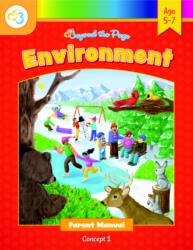
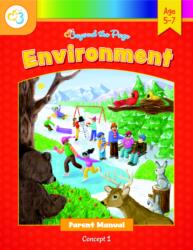
1: Environment

Unit 1: Habitats and Homes
Lesson 1
My Environment
Students are asked to read or sound out labels on the "Exploring My Home" pages while an adult pronounces words and the child follows with a finger, which is a shared reading activity. In Activity 3 students are asked to read a paragraph aloud and then discuss which room is most important and why, demonstrating reading with a purpose. The lesson asks students to practice and perform a song with motions for family, which requires reading/singing together and showing understanding of the content.
Lesson 2
What Is a Map?
Students are read Me On the Map aloud and are asked specific comprehension questions (country, state, town, address) and to locate places on world and U.S. maps. Students are prompted to reread the first pages about the room map, to discuss how maps differ from pictures, and to answer targeted questions about items on the house map. Students are asked to describe the environment in which they live and to participate in repeated questioning over a week to ensure understanding.
Lesson 3
Guide to Animal Habitats
Students are read Crinkleroot's Guide to Animal Habitats aloud and are prompted to point out animals and plants, count animals, and answer questions during the reading. The Skills section explicitly lists "Listen to and answer questions about text read orally" and the introduction asks students to identify the title, author, and make predictions about the book. Post-reading activities require students to sequence the habitats (cutting/pasting or charting Crinkleroot's route) and to draw or tell a story about a chosen habitat, demonstrating comprehension and purpose.
Lesson 4
Animals Live and Grow
The lesson directs an adult to read Up in the Garden and Down in the Dirt aloud and to stop after the first half to discuss the first three questions, then finish and ask the remaining questions, prompting interaction during reading. It asks the child to answer specific comprehension questions about the book (e.g., season identification, why plants need water, how animals help plants). Multiple activities require the child to discuss and analyze content from the reading (compare plant/animal needs, find consumer/energy-source pairs, and identify shelter), which asks for purposeful understanding tied to the text.
Lesson 8
Animal Care
Activity 2 directs an adult to read The Salamander Room aloud and then ask the child specific comprehension questions (e.g., what kind of animal, where found, what environment it needed). The Skills list explicitly includes "Answer questions about a text" and "Connect literature to prior knowledge or experience," which prompts students to respond to and discuss the read-aloud. The Introduction and Wrapping Up sections ask children to discuss pets, draw comparisons between habitats, and answer follow-up questions, providing multiple opportunities for student responses during and after reading.
Lesson 10
Amazing Animals
Students are asked to listen critically to text read aloud and to respond to critical questions (Skills list and Activity 1). Students practice reading along with an adult, choosing an animal to learn more about, and answering comprehension questions through role play (Activity 1 and Activity 2). Students read or listen to word problems aloud and discuss solutions using manipulatives, demonstrating purposeful engagement with text-based problems (Activity 3).
Final Project
Animal Research / My Environment
Students are asked to explain each page of the book they create and to share the book with the family, which requires speaking about informational content aloud. Students are encouraged to sing the book's words together and to act out pages, creating opportunities for group participation. The introduction prompts adult-led discussion with guided questions, and students respond to those questions to demonstrate understanding of environment and habitats.
Unit 2: Weather
Lesson 1
Reading the Skies
Students are asked to read or listen to the book Whatever the Weather, follow the words with a finger if needed, and answer comprehension questions about the story. The Skills list and activities require students to listen critically and respond to text read aloud, make predictions about a story, and use vocabulary in speech and writing. Activities prompt students to dictate sentences about vocabulary words and to tell or write a story about their favorite weather, demonstrating purposeful engagement with texts.
Lesson 2
Types of Precipitation
Students are read books aloud (Oh Say Can You Say What's the Weather Today? and Whatever the Weather) and are asked comprehension questions about habitats, characters' appearance when hot or cold, and new information learned. Students reread specified pages, discuss different types of precipitation, read and label precipitation words on an activity sheet, and draw scenes that match text descriptions. Students make predictions, count raindrops in the jar experiment, and describe the process of condensation, linking hands-on observations directly to the text.
Lesson 4
Simulating Weather
Students are asked to sing the Weather Song with an adult and to follow along by pointing to each word as they sing. Students are prompted to read words of the song aloud, find specific words (e.g., "clouds," "rain"), count letters in a word, and identify capital letters. The skills list explicitly includes "Participate in songs (LA)" and "Recognize that written words are separated by spaces," supporting active, shared reading behaviors.
Lesson 6
Winter
Students are asked to find and look at winter pages in the book Whatever the Weather and to describe what they see, comparing the pictures to their own environment. Students dictate a winter story, illustrate it, and are prompted to attempt to read the story aloud with adult help to sound out words. The lesson includes teacher/parent-led questioning about seasons and prompts students to respond verbally about winter conditions.
Lesson 7
Spring
Students are asked to attempt to read each poem and to listen as poems are read aloud so they can identify rhyming words, underlining them with colored pencils. After each poem, students are asked what the poem was about and to draw or match an illustration that tells the poem's story, showing comprehension. In the seed activities students follow spoken directions to plant colored seeds and answer counting questions, requiring attentive listening and purposeful response.
Lesson 8
Summer
The lesson asks the child to "read the story to you or read along with you" and to "read the completed story aloud," which gives students practice with shared/read-aloud reading. The fill-in-the-blank story and picture-word prompts require students to use context clues and vocabulary to complete the text, showing comprehension during reading. The teacher/parent prompts (e.g., describe the environment, what is happening, could these activities happen in winter?) and the sing-along season song encourage verbal participation and discussion during reading-related activities.
Final Project
Weather Games
Students are asked to look through Whatever the Weather and are given a chance to read it aloud, and pages 8–15 of Oh Say Can You Say What's the Weather Today? are reread with discussion prompts. Students pick the page that most closely matches the weather outside and answer targeted questions about temperature, wind, precipitation, clouds, and appropriate activities. Over three mornings students prepare and deliver a weather forecast to the family, practice their report, and use the Weather Forecast organizer to record and discuss answers.
Unit 3: Community
Lesson 1
On the Town
Students are asked to listen to or read the book On the Town and then answer comprehension questions (e.g., What is a community? What places did Charlie visit?), which requires purposeful understanding of the text. In Option 2 students are encouraged to read community vocabulary words and read/fill in sentences that use those words in context, practicing reading with purpose. Students draw a new page for the book and write or dictate sentences about Charlie visiting a place in their community, demonstrating comprehension and purposeful response to the reading.
Lesson 2
My Community Environment
Students are read Me on the Map and then trace routes on the community map while an adult points out streets, buildings, and the river, prompting discussion about each place and its purpose. As they discuss each building (court, police, fire, library, museum, grocery), students answer location and purpose questions and trace paths between sites to show comprehension. Students look through books in their home library, select three with different communities, copy the titles, draw each community, and discuss similarities and differences, showing engagement with texts to gain understanding.
Lesson 3
Jobs in the Community
Students are asked to "read or help you read the name of each community helper" and to "read through the list of community workers," showing supported/shared reading of labels and lists. Students are asked to "read his paragraph aloud for the family" and to "You and your child can read about the nature of their jobs at the local library," indicating students participate in reading aloud and shared book reading with others. Students are prompted to say sentences aloud about how each worker helps and to attempt to read their own written sentences, linking reading with comprehension and discussion about community helpers.
Lesson 4
Goods and Services in the Community
Students are asked to read the names of buildings, goods, and services on the activity page and to sound out words with adult help. Students read and circle beginning letters, cut out cards, and match building labels to corresponding goods or services, providing a purpose for reading. In the money activity students read price tags, count dollar bills aloud, and read how many dollars an item costs while role-playing a store transaction.
Lesson 6
A Good Community Citizen
The lesson lists "Listen responsibly to text read aloud" as a skill and instructs an adult to read a list of actions and ask the child to decide whether each demonstrates good citizenship and explain her reasoning. Multiple activities require the child to respond to read-aloud content (provide other examples, sort pictures into "Good" vs "Not Good" homes, and draw or label scenarios based on prompts). Activity 3 asks the child to describe observed examples of good citizenship (dictate or write) and the Wrapping Up section prompts the child to answer comprehension questions about what it means to be a good citizen.
Lesson 7
A Citizen with Character
Students are asked to attempt reading the statements on the "Respect" activity page and mark each scenario as respectful or disrespectful, showing engagement with text and decision-making. Students listen to or read aloud "A Lesson in Honesty" and answer prediction and comprehension questions about the story. Students retell or illustrate the beginning, middle, and end of "The Boy Who Cried Wolf," and may create their own version, demonstrating comprehension and story-structure work.
Lesson 8
Rules and Laws
Students are asked to read each rule sentence aloud by themselves or with assistance in Activity 1 and to review the posted rules over several days. In Activity 2 an adult reads items aloud and students decide whether each statement is a rule, a law, or both, then sort and paste the items on the appropriate web. In Activity 3 an adult reads the story "The House with No Rules" and students answer comprehension questions and generate a list of 3–5 rules to improve the household.
Lesson 9
Caring for Our Communities
Students are read the story "When One Person Cares" while they study an activity sheet and are asked comprehension questions (beginning, middle, end; setting; character actions). Students are prompted to look through picture books and discuss whether settings portray safe and happy communities, connecting texts to prior knowledge. Students also participate in interactive group-style activities such as role-play, guessing games about community helpers, and composing/sharing a helping song.
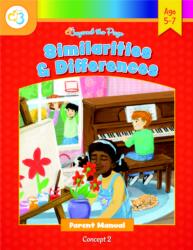
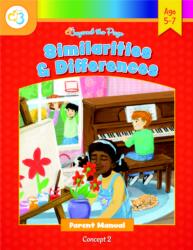
2: Similarities and Differences
Unit 1: Amazing Attributes
Lesson 2
Animal Attributes
The lesson instructs an adult and child to look at Crinkleroot's Guide to Knowing Animal Habitats and asks the child to identify body parts in the pictures and discuss how those parts help the animals, which requires interacting around a book. The Introduction and several activities prompt an adult to ask the child to explain similarities and differences between stuffed animals and to describe how he knows which objects are living on the student activity pages, creating directed read-aloud or picture-reading interactions. Activity pages (Living & Nonliving, Animal Parts) require the child to read or use picture labels and respond (circle, write, sort), which engages the child in purposeful comprehension tasks while interacting with an adult.
Lesson 4
How Does It Feel?
Students are prompted to read back the words they used to describe objects after the blindfold activity, showing an oral/shared reading moment. Option 1 instructs an adult to help the child read each texture word from the Word Box and to circle beginning letters, which involves reading words together. The Wrapping Up section includes reading example sentences aloud (e.g., "We jumped in the icy, cold lake and got wet."), prompting students to attend to meaning.
Lesson 10
Earth Materials: Rocks, Soil, and Water
Students are read two books aloud (Up in the Garden and Down in the Dirt; Over and Under the Pond) and are asked specific comprehension questions after each reading. Students compare the two texts (covers, writing style, characters) and use the glossary and text features to locate and discuss key information. Students complete follow-up tasks tied to the readings (answering guided questions, finding rocks in illustrations, filling preposition sentences using book context, and creating an Earth Materials book) that require purposeful engagement with the texts.
Unit 2: Senses
Lesson 2
Senses and Body Parts
Students are asked to listen to a read-aloud of "Jackie's Day at the Pet Store" and, during a second reading, pick up and glue the body part when Jackie uses a sense, which requires attentive, purpose-driven listening. The Skills list explicitly includes "Determine a purpose for listening to text read aloud" and "Listen responsively to text read aloud," and Activity 2 has students point to sense organs in response to situational prompts. Option 2 has students tell a story aloud and pause to glue sense organs as they narrate, requiring active oral participation tied to comprehension.
Lesson 4
Hearing and Seeing
Students listen to The Magic School Bus Explores the Senses as it is read aloud and answer specific comprehension questions about the text. Students close their eyes and listen to short stories, then identify the place described, demonstrating listening-for-understanding. Students reread pages 12–19 and 21–27 with guidance and discuss how the eye and ear work, and are asked to attempt to read their own sound descriptions aloud to friends or family.
Lesson 7
Using All of Our Senses
The lesson explicitly instructs students to listen to pages of My Five Senses read aloud and then answer questions about which senses the character used, and the Skills list includes "Listen to stories and text read aloud," "Use prior knowledge when listening to text," and "Interact with reader when text is read aloud (questions, comments, and ideas)." Activities ask students to identify sensory details in books (e.g., Brown Bear titles) and to discuss observations after read-alouds and the nature walk. Student activity pages and prompts require students to respond to texts and to verbal questions, showing purpose and comprehension during read-aloud interactions.
Unit 3: We're the Same, We're Different
Lesson 1
You're Special
Students are instructed to attempt to read each question aloud on the "You Are Special" page and to sound out words as they answer. Students fill in blanks to complete a personalized paragraph, then read their story and share it with others. Students are prompted to compare their numbers with a parent or sibling and to discuss similarities and differences. The skills list also includes "Discuss, illustrate, and dramatize stories," which implies opportunities for collective story interaction.
Lesson 2
Physical Characteristics
The lesson instructs an adult to read a short story aloud and asks the child to listen carefully because she will be asked questions, prompting the child to retell the story, answer beginning/middle/end comprehension questions, and sequence event boxes from the story (Activity 2). Activity 2 also rereads the story and has the child cut and order event boxes, which requires active participation and demonstration of understanding. Activity 3 has the child dictate and illustrate an original three-part story (beginning, middle, end), and Activity 4 asks the child to write a sentence describing a physical characteristic, all of which engage the child in purposeful reading/listening and responding tasks.
Lesson 3
Different Personalities
Students are instructed to "read through the list of words (with your child)" where they sound out words, circle letters, and explain word meanings. The activity asks students to circle words that describe themselves and to discuss what they like about their personality, prompting oral response during shared reading. The wrapping-up song is intended to be taught and sung together, using substituted personality words, and students are asked to present personality webs to family members and explain them aloud.
Lesson 4
Interests and Hobbies
Students are asked in Activity 3 to read the Hobby Survey questions aloud while interviewing three people, which requires them to read with a purpose (to gather information) and interact with others. In Activity 2 students go to the library to find books about their interest and then use that information to answer prompts and teach a parent or sibling, which involves reading for a purpose and sharing understanding. Activity 1 asks students to dictate, write, and then share descriptions of their hobby with someone else, providing opportunities to read or present text to others.
Lesson 5
Shapesville
Students listen to an adult read Shapesville and identify the shape of each character, counting sides and angles and describing physical characteristics and personalities. Students answer comprehension questions about the story (e.g., Did you enjoy the story? What doesn't matter in Shapesville? How are the shapes' personalities different?). Students are prompted to read or attempt to read their own short description and to share their shape design and description with other family members, and they are encouraged to read the book aloud to the family.
Lesson 6
Different Families
Students are asked to listen as an adult reads specific pages of A Life Like Mine (pages 6–13, 18–23, 26–31 and selected profile pages) and to talk about the people, foods, homes, and health shown in the book. Students complete targeted follow-up tasks tied to the reading such as drawing illustrations for basic needs, answering prompts comparing their family to a family in the book (similarity/difference sentences or a Venn diagram), and describing pictures and interactions. The lesson prompts oral discussion questions (e.g., What are your responsibilities in your family? How is your family similar/different?) that require students to respond to and use information from the text.
Lesson 7
Different Homes
The lesson directs an adult to read pages 26–35 of A Life Like Mine and asks the child to identify and describe the different homes shown, explain why people have homes, and identify building materials. It prompts the child to recall what a natural resource is and to connect items in the text to the child's own home, and it asks the child to record country names above puzzle homes and add details based on pictures found. Follow-up activities ask the child to sketch and construct a dream home and to write a sentence about his home, reinforcing comprehension of the read text.
Lesson 8
Different Holidays and Traditions
Students are asked to 'look at pictures of holidays celebrated by your family in scrapbooks' and to 'read about the holidays in encyclopedias or on websites,' then discuss why the family celebrates each holiday. Activity 2 directs students to 'look online for pictures and descriptions' and to discuss similarities and differences, with guided comprehension questions. Activity 3 has students draw and write (or dictate) three sentences explaining what they enjoy about a holiday, demonstrating reading-to-learn and discussion-based comprehension.
Lesson 9
Different Modes of Transportation
Students are asked to look through books and websites and to "look carefully at the pages in A Life Like Mine" and find examples of transportation, which requires shared viewing and discussion. Students are prompted to tell a story about a drawing, have that story recorded, and then attempt to read it aloud, which engages them in reading-aloud practice. Activities ask students to discuss reasons for choosing specific modes of transportation and to answer scenario questions, requiring them to comprehend and talk about informational content.
Lesson 10
Wants and Needs
Students are asked to read specific informational pages aloud (pages 46–51, 56–61, and 66–71) and discuss why children need education, play, and love and care. The introduction repeatedly prompts asking the child questions and discussing differences and definitions (e.g., asking what people need and what it means to want something). Activity 4 guides students to interview four people and then discuss whether the items named are truly wants or needs, which requires sharing and discussing information gathered from others.
Lesson 11
Being Part of a Group
Students are asked to read pages 98–113 of A Life Like Mine together with an adult and discuss what it means to have an identity, nationality, and religion, which targets comprehension during shared reading. The Skills list explicitly includes "Read or attempt to read own story or simple text," and Activity 2 prompts students to produce a short paragraph about a group and then be encouraged to read that paragraph aloud. The activities include guided discussion questions and comprehension prompts (e.g., which group has the most people?), showing purposeful reading and understanding.
3: Patterns
Unit 1: Identifying and Creating Visual Patterns
Lesson 1
What Is a Pattern?
The lesson asks an adult to read Busy Bugs aloud while the child follows along and then to let the child attempt to read the story aloud with assistance. It directs the child to identify the title and author and to answer specific questions about patterns found on particular pages, prompting discussion about where patterns occur. Activities ask the child to point to items and describe sequences using language such as "First, there is..., Next, there is...," and to explain each completed pattern after playing the Caterpillar Patterns game.
Lesson 2
Recognizing Types of Patterns
The lesson directs the child to "Reread the book, Busy Bugs, and ask your child to point out the ABAB and AABB patterns," which asks students to read with a specific purpose and to respond to text. The lesson asks the child to explain the difference between ABAB and AABB patterns and to write or copy a sentence about Busy Bugs, prompting students to produce responses tied to comprehension. Several activities require the child to describe how they decided whether sequences are patterns, which involves discussing and explaining information derived from reading or picture-based text.
Unit 2: Patterns in Sounds, Words, and Actions
Lesson 1
Word Patterns
Students are read nursery rhymes and the poems in Bear Hugs and are asked to identify and record the rhyming words they hear. Students are prompted to say pairs of words aloud, match and sort rhyming words (cutting and grouping words), and add new rhyming words to extend patterns. Students are also asked to act out or illustrate a favorite nursery rhyme and write sentences using rhyming words, showing purposeful engagement during reading activities.
Lesson 3
Poetry Patterns
Students are asked to read poems aloud (read each poem at least twice) and to read or attempt to read simple text from the activity pages. Students participate in shared singing of "A-Hunting We Will Go," pausing to guess rhyming words and recite rhyming lines, and they circle or write rhyming words from poems and songs. Students are asked to say what each poem is about and to explain how to find rhyming words, showing comprehension goals tied to the group reading/listening activities.
Lesson 4
Sentence Patterns
Students are asked to read sentences aloud and recite patterned sentences (e.g., "The boy jumped high") and to read and complete sentence prompts on the Making Sentences activity pages. Students read simple picture books with an adult, point to beginning letters and periods, identify sentences, and copy simple sentences onto handwriting paper. Students act out situations and make up or dictate sentences, then circle the noun and underline the verb, demonstrating oral and written participation.
Lesson 5
Story Patterns
Activity 1 directs an adult and child to read a short story together, ask predictive questions during the read-aloud, and ask the child to identify what happened at the beginning, middle, and end. Activity 2 and Option 2 have the child read or follow a short story (read twice) and then complete beginning/middle/end boxes, illustrating and dictating sentences for each part. Activity 3 has the child dictate and attempt to read her own story, then act it out with puppets or dolls, reinforcing purposeful comprehension and participation during shared reading and retelling.
Unit 3: Patterns in Your World
Lesson 1
Patterns in Nature
Students are read to during a directed read-aloud of Pattern (pp. 1-11) and are asked to identify and describe the pattern in each picture. Students answer follow-up comprehension questions (e.g., which patterns they had seen before or had not seen) that require them to think about and explain what they read and observed. Students then apply their understanding by matching or creating patterns on animal illustrations (Option 1 and Option 2) and by copying a sentence from the reading on handwriting paper.
Lesson 9
Counting Patterns
The lesson lists skills that include listening to a story read aloud, answering questions about a story, and acting out a story. In Activity 3 students listen as an adult reads a clown story, place clown faces in the car as they enter (tracking events), fill in blanks in the story, and then retell or create their own version following the same pattern. Activity 4 has students dictate or write a sentence about the clowns, reinforcing comprehension and purpose after the read-aloud.
4: Change
Unit 1: Changes on Planet Earth
Lesson 2
What Changed?
Students read or are read aloud 'Part 1: Things Change' and are prompted to answer specific comprehension questions (e.g., identifying physical vs. chemical changes on pages 20, 23). The Skills list explicitly includes 'Listen when someone is reading aloud' and 'Demonstrate a sense of story,' and students complete interactive tasks (circling changes on the 'How Did It Change?' page) and record sentences to show understanding. Students also switch roles (giving commands) and discuss examples from the book and the community, showing purposeful engagement with the text.
Lesson 4
Changes in the Environment
The lesson instructs an adult to help the child read "Part 2: Seasons Change" and explicitly says, "As he reads (or as you read to him), encourage him to answer the questions about the changes in the book," which requires responsive interaction during reading. The Skills list includes "Listen responsively to text read aloud (LA)," and activities prompt students to answer questions, discuss seasonal changes, and illustrate or write sentences based on what they heard. The wrap-up asks the child to describe changes and explain causes, demonstrating comprehension tied to the reading.
Lesson 5
Changes in Location
Students listen as an adult reads positional sentences and then move the cut-out mouse to the location described (Activity 2, Option 1). Students complete sentence prompts on the 'Where Did He Go?' wheel, selecting or writing prepositions and physically turning the plate to show the cat changing locations (Activity 1). Students write three or four sentences describing relationships of objects after observing outside or in a room (Activity 3), and students switch roles to describe another person's location (Wrapping Up).
Lesson 9
Heat Causes Change
The lesson directs an adult and child to review pages 14-15 and 18-19 in the book Changes Happen All Around You and includes guided questions (e.g., asking what burned and how it looked different). The lesson prompts discussion and questioning throughout activities (e.g., asking what will happen to ice, water, and cake batter), and asks the child to write or copy a sentence about observations. The Wrapping Up section instructs reviewing concepts and discussing the child's observations, reinforcing reading for purpose and comprehension.
Unit 2: Characters Change
Lesson 2
Why Worry?
Students watch a read‑aloud video of Wemberly Worried and answer directed comprehension questions about whether Wemberly needed to worry and what can be learned. Students complete a 'Characters Change' activity page in which they describe how Wemberly changed from the beginning to the end and compare Wemberly to Chrysanthemum. Students practice language and text understanding by combining sentences with conjunctions, identifying conjunctions on activity pages, and producing oral and written sentences using 'and' and 'but.'
Lesson 3
Is It a Problem?
Students hear an adult read What Do You Do With a Problem? and then answer four specific comprehension questions about how the problem is shown, how it grows, how the boy addresses it, and what he learns. Students discuss figurative language and personification, examine and illustrate how the problem changes across pages, practice orally combining sentences using the conjunction "or," and identify the beginning, middle, and end of the story. Students complete character-change and problem-solving activities (brainstorming problems, identifying controllable factors, and listing steps) that require purposeful discussion and responses tied to the reading.
Lesson 4
Comparing Characters
Students are asked to discuss stories with an adult (e.g., answering questions about which story and character they liked and why) and to dictate three-sentence summaries describing beginning, middle, and end. Students complete Venn diagrams to compare and contrast characters from multiple texts and answer guided questions about similarities and lessons. Students match causes and effects from the stories and generate their own cause-and-effect examples, demonstrating purposeful comprehension.
Lesson 6
Positive and Negative Change
Students are asked to read texts aloud (the rat story is read twice and then read aloud again with the child's new ending) and to discuss comprehension questions about character change and causes and effects. Students complete matching cause-and-effect activity pages, cut and glue statements, and label effects as positive or negative, showing purposeful engagement with text content. Students are prompted to recall cause-and-effect situations from stories they read and to share their illustrated examples with family, indicating comprehension and purposeful discussion of group reading content.
Unit 3: A First Look at History - Change Over Time
Lesson 1
People and Families Change
The lesson's skills list explicitly includes "Use listening skills when being read to (LA)." In Activity 5 students dictate ideas while an adult records them and then either read their ideas aloud or have them read back; Activity 6 asks students to read their ideas aloud and share descriptions with the rest of the family. The wrapping up and other activities prompt students to describe and discuss observations, creating opportunities for oral sharing and listening in a group (family) context.
Lesson 2
Understanding Time
Students are prompted to participate in shared reading of Telling Time: How to Tell Time on Digital and Analog Clocks (read pages 6–13 or start at page 1) and to answer guided questions before, during, and after the reading. Students activate prior knowledge and connect text to personal experience through prompts such as naming past, present, and future events about themselves and answering targeted comprehension questions. Students explain differences between past, present, and future and respond to sequencing activities (ordering dates and units of time) that reinforce understanding from the group reading.
Lesson 3
Communities Change
Students are asked to read the book aloud or listen as the book is read and to answer specific comprehension questions (Where did the story happen? Who are the characters? How did the environment change?). Students reread the story to focus on animals and land, circle animals from the story, and sequence events on a timeline by cutting, numbering, and pasting events. Students identify artifacts from the pictures, draw artifacts, and write a sentence about the book, showing comprehension and purpose in reading tasks.
Lesson 4
Past and Present
Students are asked to listen as an adult reads specified pages from The Usborne Time Traveler and to look through book sections (Activity 2 and Activity 3). Students cut out and place time-period images on a timeline and order images of homes/transportation/clothing (Activity 1 and Activity 5), demonstrating sequencing and purposeful engagement with the text. Students predict the book's content from the cover, answer guided comprehension questions after readings, dictate and retell a story with a beginning, middle, and end, and create clues to read aloud to family members (predicting, retelling, and reading-for-audience tasks).
Lesson 5
Exploring the Past
Students are asked to recall and discuss the three time periods from the book The Usborne Time Traveler and to skim or read specific pages about homes, clothes, food, and transport. The lesson prompts students to cut out pictures, place cultures in chronological order on a timeline with adult help, and later use their assembled pages to give a presentation to the family sharing what they learned.
Final Project
My Past, Present and Future
Students are asked to "read through her book or comparison pages" and to "present her book or comparison pages to her family," which requires reading aloud in a group setting. The wrap-up provides specific comprehension prompts (e.g., "What did you do well?" "Which page... do you like best?" "How do you think you will change when you are grown?") that ask students to reflect on meaning and purpose. The comparison activity asks students to write or dictate "In the past..." and "Today..." and to illustrate each side, requiring them to organize information and show understanding while sharing their work.
6: Reading

Unit 1: Semester 1
Lesson 1
Letter Sounds Review I
Students are directed to read the Weekly Message aloud while pointing to each word and to identify punctuation (period, exclamation point) and read with expression. Students read the Tap and Pat reader twice, point to each word as they read, act out actions on each page, and are prompted to sound out words and use picture cues for meaning. Students are asked comprehension/awareness questions (e.g., find letters and sight words in the Weekly Message; count occurrences of 'and' and 'a'), and are encouraged to read the book aloud to family and friends.
Lesson 2
Letter Sounds Review II
The lesson asks the child to read the Weekly Message aloud while an adult points to each word and to reread readers (e.g., Tap and Pat, The Pig Can), with explicit prompts to point to each word, identify punctuation, and read sentences with question intonation. Activity 5.3 has the child read the reader twice, answer a comprehension question about the story, and is encouraged to "read The Pig Can to others." Several activities require the child to read sight words and word-family pages aloud while an adult prompts and checks understanding.
Lesson 3
Letter Sounds Review III
Students are asked to read aloud and point to words in the Weekly Message (Activity 1.1), identify punctuation, and answer a comprehension prompt about the hint. Students read the decodable reader The Bug aloud while pointing to each word and respond to comprehension questions about what the bug can do and wants to do (Activity 5.2). Students practice reading sight words and letter sounds by flipping sight word and letter cards and by re-reading previous readers and word-family pages (Activities 1.3, 4.3, Wrapping Up).
Lesson 4
Letter Sounds Review IV
Students are asked to read the Weekly Message with an adult, point to words as the adult reads, read along when able, and circle sentence end marks to determine how many sentences it contains (Activity 1.1). Students complete the "Reading Sight Word Sentences" task where they circle specified sight words and then read the sentences aloud while pointing to each word (Activity 3.1). Students read Reader #4 independently and then read it aloud to the adult, followed by answering comprehension questions about why characters acted as they did (Activity 5.2).
Lesson 5
Adding s, More Word Families, Ending with ck
Students read the Weekly Message aloud with an adult, point to words they can read, and circle and discuss the period, exclamation point, and question mark (Activity 1.1). Students read sight words aloud with the teacher/parent and practice reading the new reader Ducks Are Fun on their own and then aloud to an adult, answering a comprehension question about which duck is having the most fun (Activity 4.3). Students are also asked to re-read texts (previous readers and the weekly reader) and to read aloud with expression (funny voices) to show understanding and purpose.
Lesson 6
Open Syllables and Digraph th
Students are asked to read along as an adult reads the Weekly Message (Activity 1.1), point to words they know, and add words to a word-family list. Students read a decodable reader aloud to an adult and answer comprehension questions about characters and details (Activity 5.2). Students also reconstruct sentences from cut-up words (Activity 5.1), read words aloud during sight-word practice (Activity 1.3 and 3.2), and take turns in rhyming games and video activities that require active responses (Activity 3.3, Life Application).
Lesson 7
Consonant Digraphs ch, sh, wh, ph
Students are prompted to read aloud with an adult and read along (Activity 1.1: Weekly Message, Activity 3.3: Reader #7 — read on his own then aloud to you). Students read word lists and sight words aloud in random order and read columns of sorted words to the adult (Activities 1.2, 1.3, 4.1). Students answer pre-reading and comprehension questions (e.g., "What do you think will happen?" and questions after They Get Wet) and perform interactive listening tasks (stand up/sit down for /ch/ vs /sh/).
Lesson 8
Blends with s
Students are asked to read Weekly Message #8 aloud with an adult, point to and read any words they know, and then complete tasks on that text (circle punctuation, underline sight words, highlight digraphs and vowel sounds). Students read Reader #8 (Meg and Dan and the Sled) independently and then read it aloud to an adult while pointing to each word, followed by comprehension questions about events in the story. Students also practice rapid sight-word reading, participate in word chains, and complete sentence dictation that require reading and responding to text with purpose.
Lesson 9
Blends with l
Students are asked to read the Weekly Message aloud with an adult, point to words as they read, and then complete purposeful reading tasks (circle periods, underline sight words, highlight digraphs), which requires reading with attention to print features. Students read Reader #9 on their own and then read it aloud to an adult while pointing to each word and answering comprehension questions about the text. Students also read sight-word cards, flip and read them aloud, and use sentence-building cards to read and create sentences with an adult or partner, engaging in turn-taking and oral reading.
Lesson 10
Blends with r
Students read the Weekly Message aloud with an adult and read along as able, then circle, underline, and highlight text features while following print left-to-right. Students read the decodable reader One Can on their own and then read it aloud to the adult, pointing to each word as they read. Students answer comprehension questions about One Can (e.g., where are the ducks swimming to?) and are prompted to re-read previous readers for practice.
Lesson 11
Ending Blends
Students are asked to read along as an adult reads the Weekly Message (Activity 1.1) and to point to and read any words they know. Students read Reader #11 (At Camp) aloud to an adult and answer comprehension questions about the text (Activity 4.2). The Life Application and other prompts encourage students to reread previous readers and to read to others, which involves reading with and for another person.
Lesson 12
Double ll, ss, ff, zz (FLOSS)
Students are asked to read the Weekly Message aloud with an adult and to read along as able (Activity 1.1). Students re-read the previous reader and read Reader #12 (Huff and Puff) on their own and then aloud to an adult, followed by comprehension questions (Activity 4.3). Students participate in shared reading tasks with purpose, such as finding FLOSS words in the Weekly Message, underlining sight words, and reading aloud the words they created in Alphabet Soup and the Sight Word Search (Activities 1.2, 4.2, 5.1).
Lesson 13
Glued Sounds ng and nk
Students are asked to read the Weekly Message aloud with an adult, point to and read words they know, and clap syllables (Activity 1.1). Students read the reader King Hank on their own and then read it aloud to the adult, followed by comprehension questions about the text (Activity 4.3). Students review sight words aloud, reread previous readers, and participate in sentence-making and sentence-dictation activities that require reading and responding to text (Activities 3.3, 5.2, 5.3).
Lesson 14
Three-Letter Beginning Blends
Students are asked to read the Weekly Message aloud with an adult and to point to and read any words they know (Activity 1.1). Students read the decodable reader Spring Has Sprung! first on their own and then aloud to an adult, and they answer comprehension questions about the text (Activity 4.3). Students also take part in repeated shared reading routines (re-reading the previous reader), read words during word-sorting and word-building activities, and read back dictated sentences (Day 5, Activity 5.2).
Lesson 15
More Ending Blends
Students are asked to read aloud with an adult in Activity 1.1 where they read the Weekly Message aloud while pointing to words and re-reading it, then highlight multi-syllable words. In Activity 5.2 students read Reader #15 on their own and then read it aloud to the adult and answer comprehension questions about the text. Multiple activities (Alphabet Soup, Word Sorts, and various read-aloud prompts) require students to read words aloud, point to words as they read, and read back words they have built or sorted.
Lesson 16
R-Controlled Vowels (ar)
Students are asked to read the Weekly Message aloud with an adult and to point to and read any words they know (Activity 1.1). Students are directed to read Reader #16 on their own and then read it aloud to an adult, answering comprehension questions about the text (Activity 4.2). Multiple activities require students to read sight words aloud, read words during word sorts and word chains, and read sentences they have written during dictation (Activities 1.3, 5.1, 5.3).
Lesson 17
Semester Review
Students are asked to read aloud with an adult in Activity 1.1 (reading the Weekly Message together) and to read readers aloud to an adult in Activity 4.1. Students discuss what characters do and answer comprehension questions (e.g., favorite reader and why), and in Activity 3.2 they write sentences as the teacher reads them, attending to sentence purpose and punctuation. In Activity 4.2 students create their own short reader and are invited to share it with others, providing another purposeful, shared-reading opportunity.

Unit 2: Semester 2
Lesson 1
Long Vowels a and i with Silent e
Activity 1.1 asks the child to point to and read words in the Weekly Message and to read along as an adult reads the message aloud. Activity 5.1 has the child read Reader #1 on her own and then read it aloud to an adult, followed by comprehension questions about the text. The Wrapping Up step has the child reread the Weekly Message and point to and highlight words with long a or i, demonstrating purpose (finding vowel patterns) and understanding.
Lesson 3
Hard and Soft c and g
Students are asked to read the Weekly Message aloud and read along with an adult during Activity 1.1, practicing sounding out unknown words and reading known words. Students read Reader #3 (These Mice) on their own and then read it aloud to an adult, and they answer comprehension questions about the story in Day 5. Students participate in sentence dictation and read-back activities (Day 5) that require them to pay attention to sentence features and demonstrate understanding.
Lesson 4
More R-Controlled Vowels (er, ir, or, ur)
Students are asked to read the Weekly Message aloud with an adult, point to and read known words, and sound out unknown words. Students read Reader #4 (The Bird Is Third) independently and then aloud and answer comprehension questions about who won and who came in last. Students practice reading sight words, rereading texts, and write dictated sentences while paying attention to sentence beginnings and endings.
Lesson 5
Long a Spellings ai, ay
Students are asked to read the Weekly Message aloud with an adult, pointing to and reading any words they know and reading along as able. On Day 5 students read The Gray Day on their own and then read it aloud to the adult and answer comprehension questions about the story. Activities also have students reread texts, point to long a words, clap syllables, and read dictated sentences aloud, demonstrating purposeful engagement and checking understanding.
Lesson 6
Long e Spellings ee, ey, ea
Students are prompted to read along with an adult during the Weekly Message (Activity 1.1) and to reread prior readers. Students read Reader #6 on their own and then read it aloud to an adult, answering comprehension questions about the text (Activity 5.1). Students also read aloud sight words, make sentences with word cards and read those sentences aloud (Activity 4.2), showing purpose (practice decoding, meaning) and some comprehension checks.
Lesson 7
Long i Spellings y, igh, ie
Students read along with an adult during Activity 1.1 (Weekly Message #7), pointing to and reading words they know and sounding out unknown words. In Day 5 Activity 5.1 students read The Dark Night on their own and then read it aloud to an adult and answer comprehension questions about characters and events. Activities 2.3 and the wrapping-up task ask students to find and point out long-i words in text, reread passages, and read sight words aloud, demonstrating purposeful reading and checking understanding.
Lesson 8
Long o Spellings ow, oa, oe
Students are asked to read the Weekly Message aloud with an adult, pointing to and reading any words they know and reading along as able (Activity 1.1). Students are instructed to re-read a previously learned reader and to read Reader #8 (The Slow Boat) on their own and then aloud to an adult, followed by comprehension questions about the story (Activity 5.1). The plan also directs students to read aloud words during word-building, sight-word practice, and the spelling test, reinforcing purposeful oral reading and checking for understanding.
Lesson 9
Long u Spellings ue, ew, ou
The lesson repeatedly asks the child to read aloud with an adult and to read along (Activity 1.1 Weekly Message, Activity 5.1 Reader #9 — read on her own then aloud to you). Multiple activities require the child to point to words, read sight words, and read sentences aloud (Activity 1.3 Sight Words; Activity 3.3 Writing Sight Words; Activity 5.2 Sentence Dictation). The skills list explicitly includes "Read grade-level text with purpose and understanding" and the lesson asks comprehension questions after reading (e.g., "What does Tom add to the stew?"), prompting purposeful understanding.
Lesson 10
Other Long Vowel Patterns
Students are asked to point to and read words in the Weekly Message and to read along with an adult (Activity 1.1), including identifying and pointing to long vowel words as the text is reread. Students read Reader #10 (The Wild Colt) on their own and then read it aloud to an adult, and they answer comprehension questions about the story (Activity 5.1). Students also participate in guided oral reading of sight words and practice reading sentences dictated by an adult (Activities 3.2, 5.2), providing multiple opportunities to read with support and purpose.
Lesson 11
Long Vowel Sounds Review
Students are asked to read the Weekly Message aloud with an adult, point to words as they read, and point to long-vowel words as the adult rereads the message (Activity 1.1). Students reread decodable readers with an adult, search for and write long-vowel words on a laminated sheet, and then read those words aloud (Activities 2.1, 3.2, 4.1, 5.1). Students read sight word cards aloud with an adult, participate in reader review sessions where they read words they find, and respond to prompts about which letters make a sound, showing purposeful shared reading and checking for understanding (Activities 1.3, 4.1).
Lesson 12
Other Vowel Sounds oi, oy
Students are asked to read the Weekly Message aloud with an adult and read along as able (Activity 1.1). Students read and sort oi/oy words aloud and point to where the blends occur in words (Activity 2.1 and Word Sorting). Students read the reader The New Toy aloud to an adult and answer comprehension questions about the story (Day 5). Students also complete sight-word searches and read words aloud, identifying long-vowel words for a specific purpose (Activity 3.1).
Lesson 13
Other Vowel Sounds ou, ow
Students are asked to point to and read words in Weekly Message #13 and then read the message aloud while reading along with an adult (Activity 1.1). Students read Reader #13 (The Hound and the Owl) aloud to an adult and answer comprehension questions about the story (Activity 5.1). Students reread the Weekly Message and are prompted to point to words with the /ou/ sound and explain when to use ou versus ow (Wrapping Up).
Lesson 14
Other Vowel Sounds aw, au
Students are asked to read the Weekly Message aloud along with an adult (Activity 1.1), allowing them to read along as able. Students read Reader #14 (The Pups) on their own and then read it aloud to an adult, followed by comprehension questions about where the pups sleep and what they do (Activity 5.1). Students read words aloud during sorting and word-building activities and are prompted to explain their groupings and meanings (Activities 1.2, 2.1, 2.2), showing reading with a clear purpose (identifying vowel blends and word meanings).
Lesson 15
These Make More Than One Sound: oo and ea
Students read the Weekly Message aloud with an adult and read along as able, then underline and circle target words while listening for vowel sounds (Activity 1.1). Students read Reader #15 (The Bad Bear) on their own and then read it aloud to an adult, followed by answering comprehension questions about events in the story (Activity 5.1). The wrap-up directs students to reread the Weekly Message and answer specific questions that check understanding of vowel sounds in context.
Lesson 16
Silent Starts: kn, wr, gn
Students are asked to read the Weekly Message aloud with a caregiver and read along as able (Activity 1.1), pointing to and reading words they know and sounding out words they do not. Students read Reader #16 (The Gnats) on their own and then read it aloud to the adult, then answer comprehension questions about what the gnats do (Activity 5.2). Students also participate in paired reading tasks (pointing to sight words while the adult reads sentences, Activity 3.3) and read words aloud during sorting and word-building activities that require them to group and explain words by vowel sound and silent beginnings (Activities 2.2, 4.1).
Lesson 17
Year-End Review
Students are asked to read the Weekly Message aloud while the adult reads and the child reads along (Activity 1.1). Students select Semester 2 readers, read them independently, and then read them aloud to the adult (Activity 3.2 and Activity 5.2). Students complete targeted group-style reading tasks such as the "Which Words?" questions and the Sight Word Search where they find, read, and then show and read the words to the adult, demonstrating reading with a purpose.