


Second Grade - ELA
1: Community

Unit 1: Communities Around the World
Lesson 1
Exploring a Community
Students read the short fiction "The City Mouse & the Country Mouse" aloud (at least twice) and answer guided questions about how the City Mouse and Country Mouse were different, why the City Mouse invited the Country Mouse, and what happened to the Country Mouse in the city. The activities explicitly ask students to compare rural and urban settings and to decide which place they would rather live, supporting understanding of setting. The story page descriptions note visual elements (a decorative border and an illustration of a mouse) accompanying the text.
Lesson 2
Roles of People in Communities
Students name and write the community worker shown in six illustrations (Activity 1 Option 1) and write sentences about what each worker does (Option 2), using picture cues and words. Students cut out and glue the worker figures onto a three-dimensional community map (Activity 2), placing each worker by the appropriate building to show where they work. Students look through books and the Internet for pictures of workers in other communities (Activity 3) and write/role-play about being a worker (Activity 4), using images and text to describe roles.
Lesson 3
Goods and Services
Students read If You Give a Pig a Pancake and, for each situation in the story, decide whether the pig is asking for a good or a service and record examples in a two-column chart. Students use the provided student activity pages with illustrations (milk carton, shoes, crayons, a haircut, car repair) to identify items as goods or services and to name where they can be obtained. In the writing activity, students organize ideas with arrows and write a sequenced story (If you give a ___ a ___), producing a chain of events that practices plotting causes and effects.
Lesson 4
Wants and Needs
In Activity 3 (Meeting Needs, Option 1) students work with a printed page showing a character named Jessie in the center and four labeled circles (Water, Food, Clothing, Shelter). Students cut out illustrated squares (garden, water fountain, grocery store, house, faucet, etc.) and paste each picture into the circle that shows where Jessie could meet that need, using both the pictures and the category labels. In Option 2 students complete a bubble map by drawing and labeling examples (words and pictures) that show where Jessie can get food, water, and clothing.
Lesson 10
Communities Change
Students are asked to analyze the pictures on each page of The Little House and to look closely at the landscape, activities of people, homes, and buildings while reading. They answer explicit questions about plot and characters (e.g., "What happened in the story?", "Did the little house like living in the city or the country? Why?", "What happened at the end of the story?"). In Activity 2 students use illustrations from the book to draw and write about the community in each season, and Skills list includes retelling and summarizing events. Activities 3 and 4 require students to locate and use information from the book's words and pictures to identify resources and place items in appropriate community settings.
Lesson 12
Rules and Laws
Students view pictured directives (e.g., stop sign, washing hands, seat belt) alongside written statements and decide whether each is a rule or a law, using both the illustration and the words. In the "Consequences" activity students read short situations about named people (John, Melanie, Jacob, Lauren) accompanied by illustrations and then write appropriate consequences and label them as natural or authority, using the picture and sentence to infer what happened.
Final Project
Community Brochure
Students examine example brochures and discuss the artwork/pictures alongside the information presented in the text. Students plan and create their own brochure, including a cover with name/location and a map, interior sections with pictures and text about goods and services, celebrations (with dates and reasons), jobs, money, and how the community has changed. Students are instructed to draw or use photographs and to include specified vocabulary words in their written sentences, combining illustrations and words to represent the community setting.

Unit 2: Citizenship
Lesson 1
A Good Citizen
Students sequence and describe events in Activity 3 (Scene by Scene) by ordering illustrated boxes from The Boy Who Cried Wolf and writing a sentence for each scene, directly using illustrations and words to show plot. In Activity 5 (Home) students examine a wordless picture book and describe the neighborhood at the beginning, middle, and end, identify changes in setting, and make up sentences for each page using the pictures. In Activity 2 (The Boy Who Cried Wolf) students answer questions about why the boy lied and what happened, using text (and the page illustration) to explain character motives and plot. Activity 1 (A Good Citizen) asks students to read short scenario sentences paired with illustrations and label the character trait demonstrated, using words and pictures to interpret character actions.
Lesson 2
Decisions and Consequences
Students are asked to look at the cover of Lilly's Purple Plastic Purse and to read the title and author, prompting use of the book's illustrations and words. Students answer comprehension questions about Lilly (e.g., How would you describe Lilly? What did Lilly do at the beginning of the story? Why did Lilly feel bad?), which require using text and pictures to explain character and plot. Students complete an "Actions Chart" and play an Actions-and-Consequences matching game that present illustrated actions and written consequences for students to read and pair.
Lesson 6
Leaders in the Community
Students read or listen to a biography and answer explicit questions about the person's name, where they lived while growing up (setting), events from their youth and hard experiences (plot), and leadership characteristics (character). Students complete activities that require them to identify leader qualities and give examples of how the biographee showed each quality (Activity 2). Students create a short illustrated biography (Activity 3) and draw or paste pictures of a leader and write about them (Activities 3, 4, and 5).
Lesson 7
Inventors
In Activity 1 (Famous Inventors) students view simple illustrations (car, light bulb, printing press, etc.) and complete sentence starters or write sentences about how each invention helped the community, linking picture cues to written responses. Option 1/2 asks students to identify sentence subjects and predicates after discussing example sentences with accompanying illustrations. In Activity 2 (Invention Scavenger Hunt) students draw inventions they find at home and write sentences and a paragraph using frames such as "We use the ____ to ____," connecting their drawings to written explanations. In Activity 3 students read a short biography about an inventor and answer questions that probe understanding of the inventor as a person (character).
Final Project
Community Citizens Mobile
Students draw pictures and write about four community figures (Community Leader, Inventor, You) and record character traits, what the person does, and how the person helped or changes the community. Students identify where the flag can be found in the community and what it means, and they write and illustrate three community examples matching each shape. Students decorate and explain their mobile aloud, using their illustrations and written labels to describe characters and community locations.

Unit 3: Plants and Animals
Lesson 1
Living and Nonliving
Students look through the pictures in Sylvester and the Magic Pebble and point out living and nonliving things, make predictions about the story from the illustrations, and read/listen to the text. Students answer direct questions about the character (Is Sylvester the donkey living? Is the stone living?) and about plot outcomes (What did Sylvester learn in the end? What would you have done differently?). Students tell and dictate their own related story and draw pictures to accompany it, using both words and illustrations to express understanding.
Lesson 4
Animal and Plant Communities
Students look closely at habitat illustrations and label each habitat (Activity 1 and the Habitats student page), using both pictures and provided words to identify settings. Students examine the Rainforest Community picture to locate and count animals, write animal names and types on the Rainforest Graph, and match picture evidence to written categories (Activity 2). Students draw or place animals into the woods picture and write names and classifications (Activity 3 and Activity 5), demonstrating understanding of characters (animals) and settings (habitats) from illustrations and words.
Lesson 5
Animal Needs
In Activity 2 students are told to select an animal, "locate information about the animal," draw the animal in its habitat, and write the animal's name, habitat, and how its food, water, and shelter needs are met. Activity 4 has students write a descriptive label for their invented animal that includes habitat and physical characteristics. Activity 1 and the Build Your Own Animal activity ask students to create drawings and written descriptions showing how needs are met in a community or habitat.
Lesson 6
Extinct and Endangered Species
Students read and practice a printed puppet-show script (Activity 3) and then perform it using paper bag puppets created from visual templates, which requires them to use words and pictures to portray animal characters. In Activity 4, students read theories about dinosaur extinction and then make finger puppets and dictate at least two lines for each dinosaur, producing a short scripted interaction (words + visuals). Activity 1 provides illustrated charade cards with animal names that students use to act out and identify different animal characters.
Lesson 7
Plants
Students read "Jack and the Beanstalk" and answer explicit comprehension questions asking who the characters were, where the story happened, and what happened, which targets characters, setting, and plot. The student pages include illustrations (e.g., the giant/ogre and the beanstalk) and Activity 4 asks students to draw the top of the beanstalk and explain what their picture reveals about that place, linking visual representation to story understanding.
Lesson 8
The Role of Plants
Students are asked to listen to and discuss The Giving Tree, identify the author and title, and predict what will happen as the story is read. After reading, students answer explicit comprehension questions about the characters and what the tree gave the boy at different points. Students draw five scene boxes (man in a boat, eating an apple, sitting on a stump, boy climbing the tree, man beside the house), cut them out, and arrange them in story order to show plot sequence. Students write a thank-you note that requires naming specific items the tree gave, demonstrating recall of events and character actions.
Lesson 10
Life Cycles
Students are instructed to find pictures in books or on the Internet showing frogs, butterflies, and people at different life stages and to discuss each stage. On the 'Discovering Life Cycles' pages students write the name of the life cycle, number pictures from 1–3 in sequence, or read labels and draw the animal at each stage. The wrapping-up prompt asks students to describe the life cycle of a butterfly, a frog, and a human, and Activity 2 has students act out the sequential stages described in narrative form.
2: Matter and Movement

Unit 1: States of Matter
Lesson 4
Bartholomew and the Oobleck
Students are shown the book cover and asked to predict what the story might be about, then read the story and answer questions about characters and plot (e.g., descriptions of the king, what he wanted, how Bartholomew stopped the oobleck). Students complete a "Story Quilt" where they list or draw characters, setting, three important events, the problem, and the solution, and they write a new ending to the story. Students use True/False sheets to judge statements against what happened in the book, requiring them to use information from the text to confirm or revise ideas.
Lesson 7
Exploring Solids and Liquids
Students read the book What's the Matter in Mr. Whiskers' Room? and are asked to write three sentences that describe three things that happened in the book, which requires using the text to recount plot events. Students answer follow-up questions about which part of the book was their favorite and whether Mr. Whiskers is a good teacher, which asks them to reflect on character. Activity 2 asks students to identify objects from the story that are found in nature and classify them, requiring extraction of information from the text.
Lesson 8
Our Bodies and Our World
Students read a short story about Jason and answer explicit comprehension questions asking who the main character was, what problem he had, and how he solved it (Activity 4). In Option 1 students read the story twice and are directed to circle items (solids, liquids, gases) in the story while illustrations (cake, pizza slice, pool float, snorkel, bubbles, slide, hamburger) appear alongside the text. Activity 5 has students plan a story using a graphic organizer with labeled sections for Setting, Characters, Problem, Events, and Solution, and then write a story that situates states of matter within that setting.

Unit 2: Earth
Lesson 3
Digging Into Dirt
Students are asked to read pages 20–32 of You're Aboard Spaceship Earth, providing exposure to words and likely accompanying illustrations. In Activity 1 students cut out labeled animal pictures and place them in homes, and in Activity 6 students use the illustrated maze "Which Way Do I Go?" to help Ben the Bunny get home, which involves using images to represent setting and a character's route. In Activity 5 students listen to and read a short narrative about Jake losing a coin and use details from the story and soil samples to decide where the plot event occurred.
Lesson 5
Rocks
Activity 6 has students look at the book cover to identify title, author, and illustrator, make predictions about the story, attempt to read the text, and explicitly analyze illustrations while listening. After reading, students answer comprehension questions such as "What was this story about?" and questions about rules and character choices. Activity 7 has students cut out the ten rules from the book (text with illustrations) and put them in order or summarize each rule, requiring them to use words and pictures to determine sequence and meaning.
Lesson 6
Water, Water Everywhere
Students use the "Salt Water" activity page to view labeled illustrations of ocean zones and color and label animals using words from a word box, showing where different animals live (setting). In the "Fresh Water" activities students circle and color animals by classification from the illustrated habitat and write sentences comparing freshwater bodies to the ocean, using both pictures and text to describe the setting. In Activity 8 students draw or build a new ocean creature (illustration) and write a paragraph describing where the creature is found, what it eats, and its features, linking an image and written description to demonstrate understanding of a character and its setting.
Unit 3: Balance and Motion
Lesson 4
Force and Motion
Students review illustrations in the Move It! book and are asked to list different examples of movement in a setting, draw that setting, label each example of motion, and write a short paragraph or story describing what is happening. Students read the Move It! text aloud, look at the table of contents, and answer comprehension questions that draw on words in the book (e.g., What does motion mean?). Students use activity pages with pictures and circle actions as pushes or pulls and write sentences about selected pictures, connecting illustrations to written descriptions.
3: Culture
Unit 1: Geography
Lesson 1
Using Maps and Globes
Students read The Armadillo from Amarillo aloud and answer direct comprehension questions (Where was Armadillo at the beginning? What state did Armadillo live in? Where did the eagle take Armadillo? What did Armadillo learn on his journey?), demonstrating understanding of plot and setting from the text. Students use the book to locate city names and chart Armadillo's journey on a Map of Texas, tracing the character's movement across locations. Students write a paragraph pretending to take a trip to a Texas location from the story, describing what they did and enjoyed, which practices demonstrating understanding of setting and events.
Lesson 2
Cardinal Directions
Students read and use the compass rose and map labels to identify directions (Activity 1 and the compass on the Treasure Map). Students answer explicit questions about what is north/south/east/west of named places on the Treasure Map and follow written directions to draw and place new features relative to existing ones (Activity 4). Students use map words and illustrations together to navigate and locate features when playing the buried treasure game and when following taped cardinal directions in the room (Activities 2 and 3).
Lesson 5
Habitats and Geography
Students read pages 14–21 of The Usborne Children's Picture Atlas and answer questions comparing habitats (e.g., differences between the North Pole and the tropical rainforest), showing use of words and illustrations to understand setting. On the Living Resources activity pages students label habitat pictures, cut out or draw animals/plants and place them in the correct habitat boxes, and write a sentence beneath each box about the organism's role. In the "If I Lived..." and "An Animal in My Area" activities students look at habitat illustrations, draw themselves or an animal in that setting, and write sentences or a poem describing life or traits in that habitat.

Unit 2: People Around the World
Lesson 4
Homes and Culture
In Activity 2 students view pictures of different homes (teepee, log cabin, stone home) and labeled environments (forest, rocky mountains, plains) and match them, using the worksheet's images and words to identify setting. In Activity 1 students write a paragraph about a family tradition and draw their family participating, combining words and an illustration to show who the characters are and what they do. In Activity 4 students build a house for toy family members, name rooms and describe purposes, then demonstrate how the family members use the rooms, linking characters to setting through words and actions.
Lesson 5
Transportation in Culture
In Activity 2 students are asked to "look at the pictures and read the words in the word box" and then draw the transportation that would work best in each community (rainforest, desert, big city, mountains, farm), which requires using illustrations and labels to identify setting-appropriate transport. In Activity 3 students view labeled pictures of transportation jobs, select one, read about it, write "My Day as a _____" using the pictured cues, and role-play the chosen job, which requires using illustrations and words to represent a character and that character's actions. The wrapping-up prompts ask students to describe where types of transportation can be found and how they are used in different cultures, tying picture-and-text information to understanding settings and roles.
Lesson 7
History of America
Students read the picture book Three Young Pilgrims and answer explicit questions about who the Pilgrims were, how they traveled, why they left England, and what happened at the harvest celebration, using the text to explain character actions and plot events. Students are directed to turn to the "Indian" pages and point out animals and foods along the border, describing ones they recognize or do not know, using illustrations to support understanding of setting and culture. Students reread the story and create a Venn diagram comparing their life to a Pilgrim child's life, using information from the text (words and pictures) to identify similarities and differences in setting and daily life.
Lesson 8
Asian Culture
Students read Explore Asia and are asked specific picture-based questions (e.g., What kinds of clothes are they wearing? What are the people doing? Was there anything in the pictures that reminded you of America?), prompting them to use illustrations to interpret people and settings. In Activity 2 students complete a Guidebook to Asia by writing information found in the book and by drawing pictures to illustrate that information, linking words and illustrations. In Activity 5 and 6 students record facts about the giant panda and then present while wearing a panda mask, using their written information and portrayals to show understanding of the panda (a character/organism) and its habitat (setting).
Lesson 9
African Culture
Students are asked to read Africa Is Not a Country and identify on their map the nations discussed, linking words in the text to places on the illustrations. After reading, students answer guided questions that require using both words and pictures to describe clothing, activities, land, homes, animals, and foods. Activity 4 explicitly asks students to "listen to the words and look at the pictures" to find similarities and differences between a child in the book and themselves, and Activity 8 directs students to look through the book for pictures of villages and cities.
Lesson 10
South American Culture
Students listen to and reread the descriptive passage "Paddling Down the Amazon" and then use the student activity page "An Amazon Journey," which contains illustrations and event text, to cut out and put the events in the order they occurred. Students are directed to look at specific pages of Explore South America (including the picture of the Amazon River) and to locate Brazil and the Amazon on a map, linking words and images to the setting. The activities ask students to recount what they enjoyed about the journey and answer questions about life in South America using the book as support.

Unit 3: Stories Around the World
Lesson 1
Fiction or Nonfiction
The Skills list explicitly includes "Describe how illustrations contribute to text (LA)," showing students are asked to attend to illustrations. In Activity 2 students read two fiction storybooks, write a sentence describing each story, and judge whether elements they liked or disliked related to the characters, events/plot, or setting. In Activity 3 students look at book covers and read titles (visuals and words) to decide whether books are fiction or nonfiction and create their own covers and titles.
Lesson 2
Character
The skills list explicitly directs students to "gather information from pictures, print, and people" and to "describe how illustrations contribute to text." In Activity 1 students read a story, draw the character, and write descriptive words; Activity 2 has students reread the story and record what the character thinks, says, and does from the text. Activity 4 asks students to listen to a verbal description and then draw the character, linking words to an image, and Activity 5 has students compare characters and respond as the character, connecting text-based actions/words to understanding character.
Lesson 3
Story Setting
Students are asked to look through illustrations in ten to twelve books, identify and describe the settings, and sort and graph those settings (Activity 1), showing use of picture information to explain setting. In Activity 3 students read a picture book about a child in a foreign country, are prompted to provide specific examples from the text, and examine illustrations for geographic and cultural clues, tying words and pictures to understanding setting and culture. In Activity 4 students listen to a story without seeing illustrations, draw the setting from the words, then compare their drawing to the book's illustrations, explicitly using both words and pictures to demonstrate understanding.
Lesson 4
Plot
Students read print story passages (Jack and the Beanstalk; The Ugly Duckling) and are asked to identify the problem, three or more events, and the solution. Students cut out illustrated event scenes from the Sequencing Events page (pictures with captions) and put them in order to retell the story. Students complete a 'Writing Events in a Story' chart and a 'Creating the Plot of a Story' organizer and draw characters and setting, using both text and picture cues.
Lesson 5
Folktales and Fairy Tales
Students are asked to look at illustrations before reading Why Mosquitoes Buzz in People's Ears and to guess the story's culture, then answer explicit questions about characters, setting, and the problem. The Yeh-Shen activity directs students to examine pictures, locate the continent on a map, and complete a worksheet asking who the characters are and how they change. Sequencing (arranging sentence strips) and ordering animals by appearance require students to use story text to reconstruct plot order and describe how animals are involved in the plot. The Folktales and Culture charts ask students to listen to the text and study illustrations to record cultural elements (setting, people, clothing, etc.).
Lesson 6
Cinderella Stories Around the World
Students are instructed in Activity 1 to "listen to the stories and use the pictures to help [them] identify each element," and they complete a Cinderella Elements Chart noting hero/heroine, villain, magical help, proof of identity, royalty, and resolution. Activity 2 asks students to identify the main character, describe her at the beginning, and explain what they learned about the culture by reading the story and looking at the pictures. Activity 7 has students look through pictures to describe and then draw the setting, cut out animals/homes/characters and paste them into the correct setting, and Day 2 asks students to retell the beginning, middle, and end and explain the plot.
Lesson 7
Theme
Several activities ask students to identify characters, major events, and the lesson/theme after reading stories (Activity 1 and Activity 2 ask questions such as "Who were the characters?", "What was the setting?", and "What happened in the story?"). Activity 3 (Running the Race) presents pictures of animals with written times and asks students to use those images and times to put animals in race order, combining visual and textual information. The lesson also offers an interactive digital storybook link that students can read, and asks students to illustrate or act out fables, connecting visual representation to story understanding.
Lesson 8
Myths and Legends
Students track Paul Bunyan's journey on a U.S. map using text directions (Activity 4), which asks them to draw the route and color states — combining map illustration and written information. The Rabbit myth student page includes illustrations (rabbit and fire) alongside the narrative and comprehension questions about who had and who stole the fire (Activity 1). Activity 2 asks students to look for pictures of weasels so they know what a weasel looks like and then read and act out a script, using both images/props and the written dialogue to portray characters.
Lesson 9
Poetry
In Activity 1 students are asked which picture in A Child's Calendar reminds them most of their life and which picture shows the children having the most fun, prompting use of illustrations to interpret characters and events. In Activity 2 students are instructed to fill charts using examples in the text and pictures to identify homes, clothing, landscapes, bodies of water, activities, holidays, and animals, explicitly asking them to use words and illustrations to describe setting and cultural details. Directions repeatedly tell students to use both pictures and text (e.g., "Fill in the chart using pictures and examples from the text"), linking illustrations and words as sources of information.
Final Project
A New Cinderella
Students answer guided prompts that ask them to identify the hero/heroine, setting, villain, problem, lost item, and magical helper, demonstrating attention to characters, setting, and plot. Students create and attach illustrations to their written text (sketching or pasting art on the right side of pages) and are instructed to read their book aloud and compare/contrast versions. The student activity pages repeatedly require students to write sentences about who did what, where, and why, and to draw boxes (with stars) meant for illustrations that accompany those sentences.
4: Relationships
Unit 1: Living Things and Their Environment
Lesson 4
Seasons and Living Things
Students listen to the read-aloud of the story Bear Snores On and then receive a 'Bear Snores On' activity page with illustrated animals. Students cut out the animal illustrations and place them in the cave in the order the animals entered, sequencing events from the story. The activity asks the caregiver to watch the child's ordering to confirm the correct sequence, linking the pictured cut-outs with the events heard in the text.
Lesson 5
Rivers
Students read the book Life Cycles: River and answer questions about differences between ponds and rivers, using information from the text. Students label illustrated freshwater sources on the 'Freshwater Sources' page, matching words to pictures. Students use the book (including the contents page and illustrations) to sort and classify river animals and to list producers and consumers. In Activity 4 students reproduce a chosen life cycle 'as shown in the book' by drawing the four illustrated stages and writing one-sentence descriptions in their own words.
Unit 2: The Miraculous Journey of Edward Tulane
Lesson 1
Relationships
Students read Chapters 1 and 2 of The Miraculous Journey of Edward Tulane and answer comprehension questions asking how Abilene felt about Edward, how Edward felt about himself, incidents that happened in Chapter 2, and Edward's emotion at the end of Chapter 2, which requires using words from the text to explain character and plot. Activity 2 asks students to describe the relationship between Edward and Abilene and to illustrate and write three sentences describing their own stuffed animal's personality, combining drawing and written description. The Student Activity Page includes small illustrations related to the book's themes alongside text-based vocabulary work.
Lesson 2
Point of View
Students read Chapters 3 and 4 and answer literal and interpretive questions (e.g., retelling Pellegrina's tale and explaining figurative language). Activity 1 asks students to describe Abilene's and Edward's points of view and to explain how the narrator shows their feelings and responses (using the text to infer character viewpoints). Activity 2 has students complete a Venn diagram comparing Edward and the princess and includes images for each character on the student page that students can use when listing similarities and differences.
Lesson 3
The Queen Mary
Students read Chapters 5 and 6 of The Miraculous Journey of Edward Tulane and answer direct comprehension questions about characters and plot (e.g., why Abilene didn't want others to hold Edward, what the boys did to Edward, how Abilene and Edward felt, and whether Edward drowned). The Student Activity Page includes illustrations (a ship, a crown, and a woman handling a trunk) that align with the story-context sentences students complete. The reading questions require students to use information in the text (words) to demonstrate understanding of character actions and feelings.
Lesson 4
Pronouns
The Introduction asks students to look at the pictures in the chapters read so far, point out significant details in the illustrations, and discuss how those illustrations help us understand the story and what is happening. After reading Chapters 7–9 aloud, students answer specific questions about Edward's thoughts, who found him, and their impressions of Nellie and Lawrence, demonstrating use of words to show understanding of characters and plot. Activity 2 has students reread specific pages, discuss how Edward's attitude changes, compare relationships, and write or draw words/symbols to represent Edward's relationships, requiring students to use text details to demonstrate understanding.
Lesson 5
Emotions
Students read Chapters 10–12 of The Miraculous Journey of Edward Tulane and answer comprehension questions about characters (e.g., "What do you think about Lolly?"; "How and why is he different?"; "How did Edward feel when the dog dug him out of the garbage?"). Students read specific quotes about Edward's time with Nellie and Lawrence and are asked to state what they can assume about Edward, his feelings, and how he is changing. Students write a goodbye note as Edward that requires them to show his emotions in language rather than simply naming feelings.
Lesson 6
Irregular Verbs
Students read Chapters 13 and 14 and answer specific comprehension questions (e.g., Did Edward like Bull and Lucy? What happened to Edward on the freight car?), which ask them to use story words to demonstrate understanding of characters and plot. Students are asked to explain why stars might be an important symbol, drawing on repeated mentions of stars in the text to interpret setting/meaning. Students complete activity pages that include illustrations (truck, music notes, dog, table) and a Big Dipper diagram that they use when filling in responses and creating a constellation picture.
Lesson 7
Figurative Language
Students read Chapters 15 and 16 of The Miraculous Journey of Edward Tulane and answer comprehension questions about what the old lady used Edward for and what she called him, using words from the text to identify plot and character details. Students are asked to think about how Edward feels and to name their favorite character and explain why, which has them infer character emotions from textual information. Students interpret multiple examples of figurative language, explain literal versus intended meanings, and then copy or compose figurative sentences and illustrate them, practicing connecting words to character mood or description.
Lesson 8
The Falling Star
Students read Chapters 17 and 18 aloud and then answer specific comprehension questions that target characters and plot (e.g., identify Sarah Ruth, describe Bryce's relationship with his sister, name what Bryce made Edward do, and infer Edward's wish). Students write sentences about Edward in the Prepositions activity, circle the preposition, and illustrate by placing cut-out pictures of Edward in relation to objects. Students also create a decorated star and write a wish, connecting a plot event (Edward wishing on a falling star) to a written response.
Lesson 9
Apostrophes
Students are asked to read Chapters 19–21 of The Miraculous Journey of Edward Tulane aloud and answer specific comprehension questions about plot and characters (e.g., where Bryce takes Edward and what Neal did to Edward). The introduction prompts students to discuss how Edward's relationships change and what changed about his character, which requires using the story's words to explain character development. The comprehension questions target understanding of characters and plot events directly from the text.
Lesson 10
Illustrations
The Skills section explicitly lists the standard. Activity 2 directs students to look through the book's illustrations, discuss how the illustrations help tell the story, and retell the story using the illustrations as a guide. The "Explain an Illustration" page requires students to record the quote that accompanies an illustration and to identify who, what, when, and where for that picture.
Lesson 11
Building Sentences
Students read Chapters 25–27 and the Coda and answer specific comprehension questions about dialogue, characters, and plot (e.g., what Edward told the doll, which doll the dollmaker placed next to Edward, who came for Edward). Students complete a Relationship Timeline in which they describe Edward's relationships in sentences, sequence them, and explain how each relationship changed Edward. In Activity 2 students locate a quoted passage from the book, explain how it applies to Edward's journey, and create illustrations or symbols to represent its meaning.
Final Project
Chalkboard Presentation
Students choose images to represent the stuffed rabbit (Slide 1) and to represent a favorite part of the story (Slide 2), and they add titles and dictated sentences that explain those choices. On Slide 3 students select an image for a favorite relationship and dictate a sentence describing the relationship and why it is their favorite. Students also select and record a favorite paragraph to read aloud, connecting words from the text to their presentation.
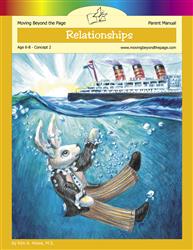
Unit 3: Connecting with the Past
Lesson 2
Colonization and the Revolution
Students use the map image and map key to shade the New England, Middle, and Southern Colonies, connecting the visual map with written labels to identify setting. Students color and label the George Washington activity page, filling in text blanks about Washington while using the illustration of him on horseback to understand who he was. Students match a written description to a picture of the Washington Monument (cutting and gluing the description next to the image) and add dated labels to a visual timeline from the readings, using words and visuals to show sequence of events.
Lesson 3
Slavery and the Civil War
Students list five character traits for Henry from Henry's Freedom Box and explain each trait with evidence from the book, then assemble a cube that includes Henry's picture. Students watch videos and read texts about Harriet Tubman and Abraham Lincoln and add dates, pictures, and descriptions to a timeline that sequences events. Students locate southern states on a map and add illustrations and descriptions about the Civil War and its outcome to a Student Activity Page.
Lesson 4
Immigration
Students are asked to thumb through National Geographic Readers: Ellis Island and answer questions based on the pictures (e.g., How do the people in the pictures look? Are the black and white photos primary or secondary?). Activity 2 directs students to select a photograph, imagine what the person is experiencing, and answer questions about who the person is, what they are doing, and what they are feeling. After reading pages aloud, students answer text-based comprehension questions about characters and events (e.g., Who was Annie Moore? What did immigrants see when they entered New York Harbor? Why did the doctors check the immigrants?). Students also listen to oral histories and are asked to retell stories and add dates/pictures/descriptions to a timeline, linking images and words to sequence events.
Lesson 5
Civil Rights
Students read The Story of Ruby Bridges and answer targeted comprehension questions about Ruby's family, her feelings, and why people protested at the school, using information from the text. Students view and discuss a captioned historical photograph of Ruby Bridges being escorted to school and are asked to scroll through and observe multiple Civil Rights photos, connecting visual details to historical people and events. Students complete illustrated activity pages for Rosa Parks and Martin Luther King, Jr., combining the pictures and accompanying text to describe each person's actions and significance.
Final Project
Preparing Projects
Students assemble a "Famous Americans" book by placing portrait pages and text in chronological order and coloring the pictures on a timeline, which requires them to use pictures and words together. Students glue titled pages and images onto a "Connecting with the Past" poster and then practice presenting that poster, using the combined visuals and written headings to explain historical relationships. The project asks students to invite family to read the book and look over the timeline, implying students will rely on both illustrations and words to communicate about people and events.
6: Reading

Unit 1: Semester 1
Lesson 1
Word Families and Long Vowel Review
Students read Reader #1 (Fun and Then Cake) and are asked specific questions about characters and events (e.g., What did Jade do while Cash rode bikes with Dad? What did Jade want to do after baking the cake?). The lesson explicitly tells students to use pictures as clues in several activities (Sentence Scramble: "use the picture provided for clues") and instructs students to "think about what makes sense with the illustrations" when approaching unfamiliar words. Shared Reading prompts also ask students to use context and point to words and illustrations while decoding and answering questions.
Lesson 2
Vowel Teams Review
Students read Reader #2 — A Thump on a Cold Night on their own and then read it aloud, which requires them to extract story information from the text. After reading, students answer specific questions about characters and events (e.g., Who does the doe meet on the trail? What causes the noise the animals hear?). Students are also asked about details of the story's situation (e.g., what the animals eat at the feast and opinions about snow), which relate to plot and setting.
Lesson 3
Complex Consonants Review
Students read A Wild Day in the City on their own and then answer explicit comprehension questions about characters (Who are the children?), setting (What is wrong with the restaurant? What is unusual about the pool?), and plot (What strange figures do the kids chase down the road?). Students complete sentence-scramble and fill-in-the-blank activities that use pictured clues to form sentences and reconstruct short passages, requiring them to connect words and images for meaning.
Lesson 4
R-Controlled Vowels Review
Day 5 Activity 2 has students read The Big Race and then answer questions about who wins and the positions of characters (e.g., when the girl in red is winning, what place is the girl in green?). Activity 5.3 (Sentence Scramble) asks students to use the picture of a bird holding a fork to reorder words into a sentence, and Activity 4.2 (Write the Bossy R Word) requires students to match and write words under corresponding pictures (shark, fork, bird). These tasks require students to use information from both illustrations and words to identify characters and events.
Lesson 6
Other Vowel Sounds
The lesson asks the student to read the reader If Fish Could Talk on her own and then answer specific questions about plot and characters (e.g., Why does Meg go down to the brook? Why does the fish thank Meg? What does the fish turn into and why?). The guide instructs the student to point to words while reading and to explain terms (for example, explaining that a brook is a small stream) to support comprehension of setting.
Lesson 7
More Long Vowel Spellings
Students read a connected reader, A Snake in the Field, on their own and then answer specific comprehension questions about characters and plot (e.g., how many kids are in the Stripes family; what scares Ned; what the owl does with the snake). Shared-reading directions prompt students to point to words as they read and to read aloud sentences (Activity 3.1 and Activity 1.1), supporting use of textual information to demonstrate understanding. Several comprehension prompts ask students to recall events and character actions from the text.
Lesson 9
Complex Consonants: dge vs. ge
Students are asked to predict the story from the title and cover picture (Activity 4.2), explicitly using the cover illustration to anticipate characters and plot. Students read pages of the reader (Moose on the Loose) and answer targeted questions about plot and character actions (e.g., How did the moose escape the cage? Why is a moose on the loose a problem? How does Sam help the moose?). Students are prompted to reread and use text to finish the story and to explain events (Day 5 questions about what Dr. Ward gives and why people cheer).
Lesson 10
Complex Consonants: tch vs. ch, ck vs. k
On Day 4 students are asked to look at the cover and flip through the first four pages quickly and then answer, "What do you think will happen in this book?" and "What words do you think you'll find in this book? Why?", which requires using illustrations to predict plot and vocabulary. Students read pages aloud while pointing to words and later finish reading the story on Day 5, using the printed words to support comprehension. After reading, students answer specific questions about characters and plot (e.g., what snacks Rick and Claire have, what comes out of the egg, what the kids do after building a fire) and consider items to bring to the beach, connecting setting details to actions.
Lesson 11
Final e: ce, ve, ze, se
Students are asked to look at the book cover and flip through the first four pages without reading and answer prediction questions, using illustrations to anticipate what will happen and what words they might find. Students are instructed to point to words and read the reader Aesop's Fables, using print to follow and confirm story events. After reading, students answer questions about plot and character (for example, how the dog lost his bone and why the Hare took a nap) and explain the moral of fables.
Lesson 13
Making Plurals
Students are asked to look at the cover of The Witches Go to the Beach and flip through the first two pages to make predictions about what will happen and what kinds of words they will find (Activity 4.2). Students are instructed to read the story aloud while pointing to words and then answer comprehension questions about characters and events (Activity 5.1), including what the witches do, why people cover their ears, what happens when the witches get to the beach, and why the witches do not like the beach.
Lesson 14
Uncommon Plurals
During Activity 4.2 students look at the cover of The Storm at the Barn, flip through the first two pages without reading, and are asked to predict what will happen, using the pictures and title. The same activity then has students read the first two pages and answer questions about what the children want to do at the barn, tying words to character actions. In Activity 5.1 students finish reading the story and answer questions about why the women and children brought animals to the barn and which animals would be hardest to bring, which requires using text (and likely illustrations) to explain setting and plot.
Lesson 15
Words Ending with ed and ing
Students are asked to look at the cover and flip through the first two pages of The Red-Eyed Tree Frog and then answer preview questions about what will happen and what words they expect to find, using the book's pictures and words to make predictions. After reading the book, students answer comprehension questions that require understanding character actions and motives (How does the tree frog scare away the snake?), setting and cause (Why does the frog lay her eggs on a leaf over water?), and make evaluative judgments (Would a tree frog make a good pet?). The pre-reading prompt explicitly directs students to use the cover and early pages (illustrations and words) to form ideas about plot and language.
Lesson 16
Words Ending with er and est
Students are asked to look at the cover, read the title, and flip through the first two pages of the reader (Day 4, Activity 4.2) and then answer prediction questions such as "What do you think will happen in this book?" and "What kinds of words do you think you'll find?". Students read Bug Game Day on their own and aloud (Day 5, Activity 5.2) and then respond to questions about characters and plot, e.g., which spider should win an award for being the messiest and why the worms aren't hungry. The guidance also prompts students to point to words as they read, connecting print to meaning during reading.
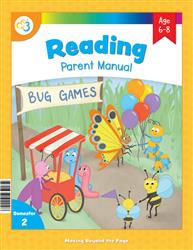
Unit 2: Semester 2
Lesson 1
Compound Words
Students read the book A Color of His Own and answer comprehension questions asking how the chameleon is different from other animals and what he did at the beginning of the story, which requires using story events and descriptions. Students are asked to reread pages where the leaf changes color and to put cut-out leaves in the order shown in the book (green, yellow, red), using the pictures to show the sequence of events. Students complete coloring and matching tasks (Color the Chameleon; Chameleons on Leaves) in which they use illustrations and color words to identify settings and objects associated with the chameleon.
Lesson 2
The Six Syllable Types
Students reread A Color of His Own and answer explicit questions about characters (e.g., "What color is the pig?/elephant?/parrot?") and discuss the chameleon's color change. In Activity 3.1 students label and color animals using the book as a reference, combining information from illustrations and words. Activity 2.1 asks students to read words using the images as clues, and Activity 4.2 asks students to find specific words and the three seasons named in the book from the story text.
Lesson 3
Open and Closed Syllables
Students read sections of Mouse Soup and answer specific comprehension questions about character actions and plot (e.g., why the weasel caught the mouse, how the mouse got the bees off his head). Students act out the mouse's actions while rereading pages 17–20 to demonstrate understanding of the character's responses. Students use images as clues when reading theme word cards (body parts) and complete a "Mouse Body Parts" activity that asks them to fill missing words by referring to the book.
Lesson 4
Syllables with R-Controlled Vowels
Students draw faces on the pictured stones (Activity 4.1) after considering the stones' dialogue, using the characters' words to inform features they add to the illustration. Students complete a plot diagram for "The Crickets" (Activity 3.1), identifying the problem, solution, and the sequence of events by writing how many crickets come each time. After reading the two stories, students answer comprehension questions about characters and events (Reading and Questions) and locate words like "mountain," "valley," and "earth" on specified pages (Activity 4.2).
Lesson 5
Two-Syllable Words Ending in y
Students read the story Mouse Soup and answer explicit comprehension questions (e.g., why the policeman thought the woman was crying vs. why she was really crying). Students map story events to ingredients on the "Mouse Soup Recipe" page, identifying plot details from the text. Students describe a character's feelings in Activity 3.1 (A Yellow Rose) and write things that make them feel happy like the story character. Students use pictures and word cards to label parts of a house (Activity 5.1), linking illustrations to setting vocabulary.
Lesson 6
Possessives
Students are shown the cover of Penny and Her Marble and asked what the story will be about based on the cover art and title, prompting them to use illustration and text to make predictions. Students read Chapters 1 and 2 and answer comprehension questions about what Penny found, why she hid, and whether the marble belonged to Mrs. Goodwin, demonstrating understanding of characters and plot from the text. Students put Penny's pretend-play events in order using pages 6–8 and act them out, which requires sequencing plot events drawn from the book. Students match sentences to pictures on the "Showing Possession" page and circle theme words in a paragraph with accompanying illustrations, linking words and images.
Lesson 7
Contractions
Students finish reading Penny and Her Marble and answer explicit comprehension questions about Penny's feelings, actions, and events (e.g., why her stomach was hurting; what she dreamed; where she took the marble; what Mrs. Goodwin did). Students complete a Before-and-After activity in which they draw Penny and write three words describing how she felt before and after taking the marble, and they discuss how characters change based on events. Students identify the theme of the story and respond to scenario prompts, demonstrating understanding of character motivations and plot outcomes.
Lesson 8
Two-Syllable Words with Silent e
Students are asked to look at the cover of Frog and Toad All Year and name the animals they see and read the title, using the illustration and words together. After reading the story "Down the Hill," students answer, "What season was it? How did you know?", which asks them to use textual and pictorial clues to identify the setting. Students are prompted to reread the story and give an oral summary that focuses on the most important characters, how the story starts, main events, and how it ends, demonstrating understanding of characters and plot. Students are also asked to explain how Frog and Toad each felt about winter, using evidence from the text (and potentially illustrations) to describe characters' feelings.
Lesson 9
Vowel Teams
Students read the Frog and Toad stories ("The Corner" and "Ice Cream") and answer specific comprehension questions about plot and characters (e.g., what Frog found, what happened to Toad, how animals felt). Students are asked to summarize the story "Ice Cream," which directs them to describe main events affecting characters. Students use print/digital images when matching weather forecast icons to theme words (pointing to a day in the forecast and naming applicable words) and are asked to point to sentences where sight words appear on the first page/back cover of "Ice Cream."
Lesson 10
Consonant Teams
Students look at pictures from Frog and Toad stories and infer the season from visual clues (Activity 4.1). After reading the stories, students answer explicit comprehension questions about setting, plot, and characters (Reading and Questions, e.g., Q1 asks the season and asks 'How do you know?'). Students generate and record character traits for Frog and Toad and read the chart aloud, using story details to describe characters (Activity 3.1). The lesson skills list also explicitly includes using illustrations and details to describe characters and describing how characters respond to major events.
Lesson 11
Consonant + le Syllables
Students read Alexander and the Wind-Up Mouse (pages 1–19) and answer targeted questions about why Alexander was screamed at, what he found, and characters' feelings. The lesson includes a Making an Inference activity that gives specific textual quotes (with page refs) for students to use to draw conclusions about events and characters. Students complete a Venn diagram comparing Alexander and another character, using text-based similarities and differences. The teacher also asks students to glance at the book's illustrations early on to note resemblance to another book.
Lesson 12
Suffixes
Students complete Activity 3.1 "Story Elements," cutting and placing boxes for Characters, Setting, Problem, Solution, Beginning, Middle, and End and filling a graphic organizer with answers (Characters: Alexander and Willy; Setting: house and garden; Problem/Solution noted). The Reading and Questions section asks students to locate plot details (e.g., where Alexander found the purple pebble) and to explain character motivations (why Annie put Willy in the box). The skills list and multiple activities direct students to describe characters, settings, major events, problems, and solutions and to sequence beginning, middle, and end.
Final Project
Write Your Own Story
Students are asked to identify characters and setting and to plan a beginning, middle, and end on the Story Idea planning page. The activities direct students to think of and create illustrations for each page and to pair those illustrations with their written sentences in the final book. The lesson also tells students they may look through Semester 1 readers for inspiration, referencing existing readers and their elements.