


Second Grade - ELA
1: Community

Unit 1: Communities Around the World
Lesson 1
Exploring a Community
The lesson includes the fable "The City Mouse & the Country Mouse," instructing an adult to read the story aloud (or let the child read) at least two times. After reading, students are asked targeted questions about characters and events (e.g., how the mice were different, what happened to the Country Mouse) that require describing story events. The lesson's summary/purpose explicitly notes the narrative teaches a moral about contentment and safety over luxury, and the skills list includes "Listen and respond to stories read aloud" and "Read and comprehend fiction."
Lesson 10
Communities Change
The lesson asks students to listen to and respond to a read-aloud of The Little House and includes skills to retell the order of events and summarize events in a story. Activity 1 prompts students with direct questions such as "What happened in the story?" and "What happened at the end of the story?" which require students to recount plot events. Multiple activities (Changing Seasons Wheel, A Growing Community) ask students to refer to story details and to match story elements to community types, reinforcing recounting and summarizing.

Unit 2: Citizenship
Lesson 1
A Good Citizen
Students read the fable "The Boy Who Cried Wolf," which includes a stated moral. Students answer targeted questions about why the boy lied, what happened because he lied, and why it is important to tell the truth. Students sequence and recount the story by ordering scene boxes or identifying the five most important events and writing sentences to describe each scene.
Lesson 2
Decisions and Consequences
Students read and listen to Lilly's Purple Plastic Purse and answer comprehension questions about events (e.g., "What did Lilly do at the beginning of the story?" and "What actions did Lilly take to make the situation better?"). Students complete "Lilly's Actions Chart" by reading examples of Lilly's actions and writing the consequences that resulted. Students play an Actions and Consequences matching game and generate their own action/consequence cards, reinforcing recall of story events and outcomes.
Lesson 6
Leaders in the Community
Students read a biography twice (Activity 1) and answer specific recall questions about the person's name, where they lived, events from childhood, and hardships. Students complete biography templates (Activity 3) filling in birth, childhood, "the greatest thing" the person did, and why the person was a leader. Students write and draw about a leader they know (Activity 4) and describe how that person makes the community better.

Unit 3: Plants and Animals
Lesson 1
Living and Nonliving
Activity 4 has students read or listen to Sylvester and the Magic Pebble and answer comprehension questions, including "What did Sylvester learn in the end?," which asks them to identify the story's lesson. The lesson also prompts students to predict the story and point out living and nonliving things in the illustrations, and to tell or dictate a personal story about finding a magic stone. The skills list explicitly names oral retellings and composing stories as targets.
Lesson 7
Plants
Students read the folktale Jack and the Beanstalk (as told by Joseph Jacobs) and answer directed questions about characters, setting, and what happened, which supports recounting the story. The lesson asks students to summarize events (What happened in the story?) and evaluate Jack's choice (Did Jack make a good decision to trade the cow for the seeds? Would you have taken the seeds? Why or why not?), prompting reflection on consequences and choices. The skills list explicitly includes demonstrating comprehension by answering questions and summarizing information and describing main characters and setting.
Lesson 8
The Role of Plants
Students listen to and discuss The Giving Tree: they identify the author and title, predict events, answer comprehension questions about the two characters and what the tree gave the boy, and draw five scenes and arrange them in story order. Students write a thank-you letter from the boy to the tree that asks them to mention specific items the tree gave. The sequencing activity and comprehension questions require students to recount story events and details.
2: Matter and Movement

Unit 1: States of Matter
Lesson 4
Bartholomew and the Oobleck
Students retell and sequence the story using the Story Quilt activity by listing characters, setting, three important events, the problem, and the solution. Students answer guided comprehension questions that ask why the king wanted oobleck, how Bartholomew stopped it, and whether the king will change, which direct students to identify cause/effect and the story's lesson about being bossy and saying sorry. Students complete True/False and retelling/writing tasks (Option 2 and A New Ending) that require them to recount events and express what did and did not happen in the story.
Lesson 7
Exploring Solids and Liquids
Students read the book What's the Matter in Mr. Whiskers' Room and are asked to write three sentences describing three things that happened in the book, which requires them to recount story events. Students answer comprehension questions about favorite parts and what they learned, and they reread specific pages during activities (e.g., pages 32-35 and 36-39) to discuss outcomes of experiments related to the story. Students identify objects from the story (natural vs. manmade) and classify them by state, showing engagement with story content and events.
Lesson 8
Our Bodies and Our World
Students read a short story about Jason's birthday (Activity 4) and answer explicit comprehension questions identifying the main character, the problem he faced, and how he solved it. Students read the story twice and perform text-based activities (circling solids/liquids/gases or filling blanks) that require them to recount events and details from the story. Students also plan and write their own short story with a clear setting, problem, events, and solution (Activity 5), reinforcing recounting narrative elements.

Unit 2: Earth
Lesson 5
Rocks
Students read Everybody Needs a Rock (attempting to read aloud and then listening) and answer comprehension questions such as "What was this story about?". Students reorder and summarize the book's "Rules for Finding a Rock" by cutting out the rules and putting them in order, and they can write sentences that summarize each rule. Students analyze illustrations for details and write a short story about their own rock, connecting narrative elements to personal experience.
3: Culture
Unit 1: Geography
Lesson 1
Using Maps and Globes
Students read The Armadillo from Amarillo aloud and answer specific comprehension questions such as "Where was Armadillo at the beginning of the story?", "Where did the eagle take Armadillo?", and "What did Armadillo learn on his journey?". Students also chart Armadillo's journey on a map (Activity 6), using the book to locate cities and draw a line showing the sequence of events. The activities include rereading sentences for understanding and prompting students to locate and describe events from the story.

Unit 2: People Around the World
Lesson 7
History of America
Students read the book Three Young Pilgrims and answer specific comprehension questions about who, what, how, and why (e.g., How did the Pilgrims get to America? Why did the Pilgrims leave England? Who helped the Pilgrims?). Students create a Venn diagram comparing their life to the Pilgrim child and write about three ways American culture has changed. Students also discuss details of the Pilgrims' voyage, help from Native Americans, and elements of the first Thanksgiving foods.
Lesson 10
South American Culture
Students read Explore South America and answer specific recall questions about places (Andes, Amazon) and animals, which requires them to recount information from the text. In Activity 3 students experience a narrated "Paddling Down the Amazon" sequence, then cut out events and put them in order, practicing sequencing and retelling story events. Students are also asked to reread specific pages and respond to questions about what people do, where they live, and what they see, supporting recall of narrative details.

Unit 3: Stories Around the World
Lesson 1
Fiction or Nonfiction
Students read two fiction storybooks and write the title, author, and one sentence describing each story (Activity 2). Students identify and reflect on story elements—characters, events/plot, and setting—when explaining what they liked or disliked. The Skills section also lists that students will respond to a variety of stories through writing and other modalities, supporting practice in summarizing story content.
Lesson 2
Character
Students reread chosen stories and record what the main character thinks, says, and does (Activity 2). Students describe characters with adjectives, draw the character, and write descriptive words (Activity 1 and Activity 4). Students tell short stories about characters and compare two characters using a Venn diagram (Activity 3 and Activity 5). The lesson prompts students to consider what they can learn from characters and asks about theme in introductory questions and wrap-up prompts.
Lesson 4
Plot
Students read and retell folktale texts such as "Jack and the Beanstalk" and "The Ugly Duckling" and complete activities that require them to identify the problem, three or more events, and the solution. Students sequence story events by cutting and ordering illustrated scenes and fill in a graphic organizer labeled Story Title, Problem, Event #1–#3, and Solution. Students create and orally tell their own short stories using a plot chart that prompts for a problem, three events, and a solution.
Lesson 5
Folktales and Fairy Tales
Students are prompted to retell and summarize stories (Skills list: self-monitor comprehension by using questioning, retelling, or summarizing). In Activity 2 students read sentence strips and arrange eight events in story order, and Activity 1 asks students explicit who/what/where/when/why questions about 'Why Mosquitoes Buzz in People's Ears.' The lesson includes folktales from multiple cultures (an African tale, Yeh-Shen from China, and The Egyptian Cinderella) and asks students to locate continents and record cultural elements.
Lesson 6
Cinderella Stories Around the World
Students read three Cinderella folktales from different cultures (Yeh-Shen, The Egyptian Cinderella, and The Irish Cinderlad) and locate the countries on a world map. Students retell stories and plot events (Introduction asks for retelling; Wrapping Up asks the child to explain the plot), complete a Cinderella Elements Chart for each version, and use a Venn diagram to compare similarities and differences across the tales. The skills list explicitly includes "Retell folktales and legends" and activities ask students to draw beginning/middle/end and answer comprehension questions about characters, setting, and events.
Lesson 7
Theme
Activity 1 asks students to read a storybook and then describe the main characters, major events, and the theme, directly prompting recounting and identification of central message. Activity 2 presents explicit fables (The Lion and the Mouse; The Tortoise and the Hare), has students explain each lesson/theme in their own words, and asks them to illustrate or act out a story, which practices retelling and determining the moral. The Facts/Definitions and Skills sections define "theme" and "fable," and the Life Application directs students to identify themes while reading.
Lesson 8
Myths and Legends
Students read and retell the Inuit myth "How Rabbit Brought Fire to the People" (Activity 1) and answer explicit story-detail and reason questions (e.g., who had fire, who stole the fire, why people wanted fire). Students dramatize and perform the story from a script (Activity 2), which requires them to recount dialogue and sequence events. The Skills list and Wrapping Up prompt ask students to retell folktales and legends and to identify where the story's culture (Inuit/Alaska) is located on a map, showing attention to diverse cultural origins.
Lesson 9
Poetry
Students read and recite nursery rhymes and poems from multiple cultures (Costa Rica, Italy, Japan) and are asked to tell what they learned about those cultures (Activity 4). Students read A Child's Calendar and answer comprehension questions about poems, favorite months, and pictures, and they fill charts with examples (weather, clothing, homes, holidays, activities, animals) drawn from the poems (Activities 1 and 2).
Final Project
A New Cinderella
Students plan and recount a Cinderella story by filling an organizer that asks who the hero/heroine is, the setting, the villain, the difficulty faced, the magical helper, what is lost and found, and how the character proves who they are. Students write a draft and a final book, read the book aloud to family or friends, and reread multiple Cinderella stories (including their own) to compare and contrast versions. The skills list explicitly includes determining important ideas in a text and drawing conclusions, which guides students to think about story ideas and theme.
4: Relationships
Unit 1: Living Things and Their Environment
Lesson 4
Seasons and Living Things
Students listen to the story Bear Snores On (linked read-aloud) and then use the provided "Bear Snores On" activity page to cut out animals and place them in the order they entered the cave. The activity explicitly directs students to sequence the characters (order: bear, mouse, hare, badger, gopher and mole, wren and raven), which practices recounting the sequence of events. The lesson also includes shared reading of Sunshine Makes the Seasons with follow-up questions, showing practice with reading and discussing a text.
Unit 2: The Miraculous Journey of Edward Tulane
Lesson 1
Relationships
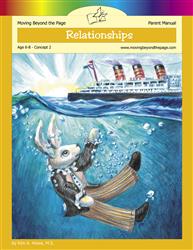
Students read Chapters 1 and 2 aloud and answer specific comprehension questions that require them to recount events (e.g., identify incidents such as Rosie putting Edward in her mouth and the maid vacuuming his pocket watch). Students answer questions about characters' feelings and relationships (e.g., how Abilene felt about Edward and how Edward felt about himself). The introduction directs that students will discuss chapters, analyze characters, and think through themes as they are read aloud.
Lesson 2
Point of View
The lesson directs students to retell the story Pellegrina told (Question #3: "Can you retell the story that Pellegrina told..." and the Wrapping Up prompt: "In her own words, ask your child to retell the tale that Pellegrina shared..."). The lesson asks students to explain the story's purpose and lesson (Question #4: "Why do you think Pellegrina wanted Edward to listen..." and "Ask her what she thinks Edward could learn from the story"). Activity 2 asks students to compare Edward and the princess and offers possible similarities that highlight moral elements (e.g., both care for no one), which supports identifying central message or lesson.
Lesson 3
The Queen Mary
Students read Chapters 5 and 6 of The Miraculous Journey of Edward Tulane and answer specific comprehension questions about events (e.g., what the boys did to Edward) and characters' feelings (e.g., how Abilene and Edward felt). The lesson asks exploratory questions about how relationships change and how relationships affect reactions, which could prompt students to think about causes and effects in the story. Students also recall factual details when answering whether Edward drowned and describing actions taken by characters.
Lesson 4
Pronouns
Students read Chapters 7–9 of The Miraculous Journey of Edward Tulane and answer specific questions about events (e.g., what Edward thought on the ocean, who found him). The listed skills include describing how characters respond to major events and using illustrations/words to understand characters, setting, or plot. In Activity 2 students compare and describe Edward's relationships with Abilene and with Nellie and Lawrence and explain how and why Edward has changed.
Lesson 5
Emotions
Students read Chapters 10–12 of The Miraculous Journey of Edward Tulane and answer comprehension questions about characters and events (e.g., how Edward is different, why he disappointed Pellegrina, how he felt when rescued). Students discuss quoted passages that show Edward's feelings with Nellie and Lawrence and are asked to infer how and why he is changing. Students write a goodbye note from Edward that requires them to express his emotions and reasons for those feelings in their own words.
Lesson 6
Irregular Verbs
Students read Chapters 13 and 14 of The Miraculous Journey of Edward Tulane and answer comprehension questions that require them to recount events (for example, describing whether Edward liked Bull and Lucy, what the hobos whispered, and what happened on the freight car). Students are prompted to discuss thematic questions such as why relationships end and how relationships shape identity. Students are also asked to identify and explain the recurring image of stars as a symbol by answering why stars might be an important symbol in the story.
Lesson 8
The Falling Star
Students read Chapters 17–18 aloud and answer targeted comprehension questions that require recounting events and characters (e.g., identify Sarah Ruth, describe Bryce's relationship with his sister, and explain what Bryce made Edward do). Students are prompted to discuss the morality of Bryce taking Edward and to consider whether his action was right or wrong, with a parent note guiding discussion about moral complexity. Question #5 asks students to infer Edward's wish when he saw the falling star, prompting reflection on character desires and motivations.
Lesson 9
Apostrophes
Students are asked to read Chapters 19–21 of The Miraculous Journey of Edward Tulane aloud and answer specific comprehension questions (Where does Bryce take Edward? Who did Edward think he saw? What did Neal do to Edward?), which requires recounting story events. The introduction prompts discussion about how Edward's relationships change and asks the child what he believes changed Edward, providing a direct prompt to think about character development. A parent note explicitly frames a moral interpretation— that struggles can make people stronger and that Edward becomes more compassionate—giving students language about the story's lesson.
Lesson 10
Illustrations
Students read Chapters 22–24 and answer specific comprehension questions about events and details, which requires them to recount parts of the story. Students are asked to retell the story using the book's illustrations as a guide and to describe scenes in chronological order. Students complete an activity that prompts them to identify who, what, when, and where for a favorite illustration and explain why they selected it, supporting story recounting and comprehension.
Lesson 11
Building Sentences
Students read Chapters 25–27 and the Coda and answer comprehension questions that require recalling key events and characters (e.g., what Edward said, who came for him). In the Relationship Timeline activity students describe Edward's relationships in sentences and place them in sequence, recounting the order of events. In Activity 2 students locate a thematic quote, explain why the author placed it at the start of the book, and connect that quote to Edward's journey and the heartbreaks he faced, prompting analysis of the story's lesson.
Final Project
Chalkboard Presentation
Students select and describe specific parts of the novel by creating slides (Slide 2 asks them to pick a favorite part, title it, choose an image, and dictate a sentence explaining why they like it). Students recount relationships from the story by choosing a favorite relationship, selecting an image, titling the relationship, and dictating a sentence that describes it. Students orally rehearse and record a chosen paragraph or two from the story, practicing reading aloud and presenting that section to an audience.
Unit 3: Connecting with the Past
Lesson 2
Colonization and the Revolution
Students are read the narrative Your Life as a Settler in Colonial America aloud and answer comprehension questions about what happened (e.g., what girls did, meal routines, and eventual jobs), which requires recalling story details. Students complete activities that place events on a timeline (Jamestown, Pilgrims/Thanksgiving, Declaration of Independence) and discuss outcomes such as having an elected president, connecting events to present-day effects. Students are asked to explain short quoted ideas from the Declaration of Independence, prompting interpretation of meaning in historical texts.
Lesson 3
Slavery and the Civil War
Students re-read pages and watch a read-aloud of Henry's Freedom Box and are asked to list five character traits for Henry and explain each trait with evidence from the book. Students add dates, pictures, and descriptions for Harriet Tubman and Abraham Lincoln to a timeline, which requires identifying and ordering key events from those narratives. The lesson's wrap-up and the "Slavery and the Civil War" page ask students to state consequences of the war and the note explicitly frames the goal that students should recognize injustice and courage.
Lesson 4
Immigration
The lesson has students listen to and retell immigrant oral histories (Activity 1) and asks a child to "retell one of the stories," which requires recounting events and details. The teacher reads pages 1–25 and finishes the book Ellis Island aloud with comprehension questions (e.g., Who was Annie Moore?), which prompts students to recount specific story events. Activity 4 asks students to discuss how immigrants influenced food, sports, entertainment, and jobs and to complete a "Connecting with the Past" page, linking story content to broader impacts.
Lesson 5
Civil Rights
Students read The Story of Ruby Bridges and answer comprehension questions that ask them to describe Ruby's family, explain why people protested her attendance, and reflect on her feelings and her parents' decision. Students place Rosa Parks and Martin Luther King, Jr. events on a timeline and complete "Famous Americans" pages describing what Rosa Parks and Martin Luther King, Jr. did and why it mattered. Students complete a Civil Rights writing prompt ("Because Americans fought peacefully..., today ___ and ___") and are asked to explain the Civil Rights Movement in their own words using guiding questions about who wanted change, why, and what they did.
6: Reading

Unit 1: Semester 1
Lesson 6
Other Vowel Sounds
Students read Reader #6, If Fish Could Talk, on their own and then read it aloud to an adult. After reading, students answer direct plot questions (e.g., Why does Meg go down to the brook? Why does the fish thank Meg? What does the fish turn into? Why?). Students also are prompted to explain events (how the kiss broke the curse) and to relate the story to personal experience.
Lesson 7
More Long Vowel Spellings
Students read Reader #7 — A Snake in the Field independently and then read it aloud, pointing to each word. They answer specific comprehension questions that require them to recount story events and details (e.g., number of kids in the Stripes family, what scares Ned, how Ned helped the owl, what the owl does with the snake). The Life Application invites students to reread readers from Lessons 1–7 to family members, which requires them to retell the stories.
Lesson 9
Complex Consonants: dge vs. ge
Students read the pre-reading reader Moose on the Loose across two days and answer specific comprehension questions (e.g., How did the moose escape the cage? How does Sam help the moose? What does Dr. Ward give the mom and baby?). Students are prompted to retell and predict events (finish reading, may reread first half, and answer what will happen). Students also read aloud pages and are asked to read and explain words, supporting recounting of story events.
Lesson 10
Complex Consonants: tch vs. ch, ck vs. k
Students preview and read The Egg at the Lake (Day 4 and Day 5), reading pages aloud and answering comprehension questions about story events. They answer specific factual questions (snacks the characters have, what kind of egg was found, what comes out of the egg, and what the kids do after building a fire). The lesson also prompts students to make predictions about the book's content before reading.
Lesson 11
Final e: ce, ve, ze, se
The lesson introduces Aesop's Fables and defines a fable and its moral (Activity 4.2). Students read a specific fable, "The Crow and the Vase," and are asked directly to identify the moral and explain its meaning. After finishing Aesop's Fables (Activity 5.1), students answer questions that require them to recount events from stories (e.g., how the dog lost his bone) and reflect on the morals of multiple fables.
Lesson 13
Making Plurals
Students read the reader The Witches Go to the Beach across Days 4–5 and answer specific comprehension questions such as "What happens when the witches get to the beach?" and "Why don't the witches like the beach?" Students are asked to look through the book, read pages aloud, and respond to questions about characters' actions and events (e.g., what the witches enjoy doing, why people cover their ears). These activities require students to recall and discuss story events and character actions.
Unit 2: Semester 2
Lesson 1
Compound Words
Students read the picture book A Color of His Own aloud and answer specific comprehension questions about it (e.g., how the chameleon is different, what he did to keep his color from changing). The lesson explicitly lists skills students will practice: "Ask and answer questions about key details in a text" and "Describe characters, settings, and major events in a story, using key details." Several activities ask students to locate words in the text and respond to questions that require identifying events and character feelings.
Lesson 3
Open and Closed Syllables
Students read the fiction book Mouse Soup and answer specific comprehension questions about plot and characters (e.g., why the weasel caught the mouse; what problem the mouse had and how he solved it). Students act out scenes as the mouse in the 'Become a Character' activity, practicing recounting events and character actions. The skills list and activities ask students to describe how characters respond to major events and challenges, and students locate and read targeted words and passages from pages 6–21 to support comprehension.
Lesson 4
Syllables with R-Controlled Vowels
The lesson requires students to read two stories from Mouse Soup and answer comprehension questions (e.g., identifying the animal sent out and what kept the mouse awake). The Skills section explicitly lists that students will "Retell stories, including key details, and demonstrate understanding of their central message or lesson." Activity 3.1 asks students to complete a plot diagram by identifying the problem and solution and to record the sequence of crickets, which supports recounting and sequencing story events.
Lesson 5
Two-Syllable Words Ending in y
Students are asked to identify the ingredient added after each story and record them on the "Mouse Soup Recipe" page, which requires them to recount events from each story. Reading comprehension questions (e.g., why the woman was really crying, what the thornbush needed, what the weasel discovered) prompt students to retell specific story events and explain character actions. Activity 3.1 asks students to discuss how the old lady felt about her thorn bush and list things that make them feel happy, connecting feelings and events to elements of the story.
Lesson 6
Possessives
Students read Chapters 1 and 2 of Penny and Her Marble and answer specific comprehension questions (e.g., What did Penny find? Why did Penny hide?). Students put Penny's pretend-play events in order and act them out (Activity 4.1), and they complete a sequencing task referencing pages 6–8. The Skills list explicitly includes describing characters, settings, and major events and asking and answering questions about key details in a text.
Lesson 7
Contractions
Students finish reading Penny and Her Marble and answer specific comprehension questions (QUESTION #1-#5) that require recalling events and details from the story. Students draw and write in the "Before and After" activity to describe how Penny felt and how her actions and feelings changed. Students complete Activity 4.1 by stating the lesson they believe the author wants readers to learn, writing it on the Theme page, and applying that lesson to several hypothetical scenarios. The skills list explicitly includes retelling stories with key details and demonstrating understanding of central message or lesson.
Lesson 8
Two-Syllable Words with Silent e
Students are given an explicit definition of a summary and are instructed to reread "Down the Hill" and give an oral summary focusing on characters, beginning, main events, and ending (Activity 4.1). Students answer comprehension questions about the story (e.g., season, why Toad hit a tree) and explain how Frog and Toad each felt about winter (Activity 3.1), practicing recounting events and character responses. The lesson asks students to find story words in the text and to retell key events, which requires them to locate and recount specific story details.
Lesson 9
Vowel Teams
Students read the Frog and Toad stories "The Corner" and "Ice Cream" and answer specific comprehension questions about plot details and character actions (e.g., what Frog found, what Toad bought, what happened to the ice cream). Students are asked to summarize the story "Ice Cream," and to write three things that will happen soon on the "Just Around the Corner" page, which practices recounting main events. Several tasks require students to locate words and retell main things that happen to characters.
Lesson 10
Consonant Teams
Students read two Frog and Toad stories and answer specific comprehension questions (e.g., where the story takes place, what Frog and Toad did for each other, and why they did not know what they had done), which requires recounting events and details. Students list 3–5 character traits for Frog and Toad and discuss how the characters act differently, practicing description of characters and their responses to events. Several activities ask students to locate story words and pronounce or explain plot details aloud, reinforcing recall of story content.
Lesson 11
Consonant + le Syllables
Students read Alexander and the Wind-Up Mouse (pages 1–19) and answer comprehension questions that ask about plot events (e.g., why Alexander was screamed at; what he found in Annie's room; what he heard in the garden). Students complete a 'Making an Inference' activity that asks them to draw conclusions from specific story details (including the provided inference that Alexander wanted to be loved). Students complete a Venn diagram comparing Alexander and Willy, requiring them to identify similarities and differences in characters and behavior.
Lesson 12
Suffixes
Students finish reading Alexander and the Wind-Up Mouse and answer comprehension questions that require recalling specific events and details (e.g., where Alexander found the pebble, why Annie put Willy in the box). Students complete a Story Elements graphic organizer by placing characters, setting, problem, solution, and listing the beginning, middle, and end. Students retell parts of the story by filling in blanks on the 'Finding Words in the Text' and by telling a story that uses theme words, which practices sequencing and recounting events.