


Second Grade - ELA
1: Community

Unit 1: Communities Around the World
Lesson 2
Roles of People in Communities
Students are asked to role-play being a community worker in Activity 4, with prompts such as acting out daily scenarios (e.g., being a mail carrier in bad weather). The wrapping-up prompts ask students to name jobs and describe how workers help the community, and Activity 3 directs students to look through books/Internet and discuss jobs in other communities. Option 2 of Activity 1 asks students to write a sentence about each worker and identify nouns and verbs, which can support producing coherent sentences when speaking.
Lesson 3
Goods and Services
Students label items as goods or services and are asked to describe a time when they or a family member used or purchased that good or service and to indicate where it can be bought (Activity 1). Students read If You Give a Pig a Pancake and classify each situation as a good or service, and they record examples in a two-column chart (Activity 3). Students plan and write an original If You Give a ___ a ___ story, organizing ideas in sequence and producing sentences and illustrations for a small book (Activity 4); the skills list also includes reading aloud with fluency and comprehension.
Lesson 5
Money
Students are prompted to explain how people get money and what people do with money (Introduction and Wrapping Up). Students are asked to tell the value of each coin and to answer questions such as how many pennies equal a nickel or a dime (Wrapping Up). In Activity 3 students set price tags on toys and must tell or explain which price goes with which toy and give the right amount of money, which can require spoken explanations during role-play.
Lesson 6
Uses of Money
Students are asked to choose and complete one of three jobs and then discuss whether it was a job well done (Activity 1), which requires recounting a recent experience. Students are prompted to describe times they have saved money and respond to saving scenarios, which asks them to tell about personal choices and past actions (Activity 3). Students are also asked to explain wants and needs and how people use money during wrap-up and to answer questions about where people get money and what they do with it, prompting verbal explanations.
Lesson 7
Work and Money
In the Introduction the child is asked if she has ever had to choose between two things, prompting her to recall and tell about a personal experience. Activity 1 asks the child to explain her reasoning aloud as she decides how to spend limited money. Activity 4 directs the child to use each spelling word in a sentence and to say the sentence aloud. The Wrapping Up prompt asks the child to describe the choices people make about work and money, encouraging oral description.
Lesson 8
Customs and Holidays
Students are prompted to write sentences about what their family does on Memorial Day and the Fourth of July (Activity 1) and to complete Holiday Book pages that ask "On this day our family..." and "We celebrate this holiday because...". Activity 3 asks students to act out holiday traditions and then add words and name the holiday, requiring oral responses. Several student pages require students to write the holiday name, date, and reasons for celebration, which asks students to include factual information.
Lesson 9
Different Communities
The lesson asks students to name and describe holidays and to pick a country to research, prompting verbal description during the Introduction. The Wrapping Up section asks students to describe what they learned about the country and what they would do if they visited, which requires recounting findings orally. The Country Research activity and Venn diagram ask students to gather and organize facts and comparisons that they can use when describing or recounting their learning.
Lesson 10
Communities Change
The Skills list includes "Retell the order of events in a story," "Summarize events in a story," and "Respond to open-ended question about a text," which require students to recount story events and answer orally. Activity 1 asks the child to read/listen to The Little House and answer questions such as "What happened in the story?", "How did the land change over years?", and "What happened at the end of the story?", prompting students to provide facts and descriptive details. Wrapping Up and Life Application ask the child to share examples of changes in his community and talk about past vs. present, which requires recounting experiences and observations aloud.
Lesson 11
Government and the People
Students are asked orally to name their town and state and to locate their country, state, and city on maps, prompting spoken responses. Students are asked to explain why it is important to allow everyone to vote and to answer questions about how citizens decide leaders, which requires speaking and giving reasons. Activities prompt students to 'read or talk' about leaders' roles and to let family members discuss and cast votes, encouraging verbal explanation of choices.
Lesson 12
Rules and Laws
In the Introduction and activities, students are asked to name rules, explain why homes have rules, and state whether they would like to live with no rules, requiring oral explanation. Activity 2 has students play a game with no rules and then answer a series of oral questions (What was different? Did you like it? Why?), prompting them to recount that shared experience. Activity 3 asks students to read the first situation aloud, discuss it, and describe consequences they have faced for breaking rules, prompting oral recounting and explanation.
Final Project
Community Brochure
Students are asked to describe things they have learned about communities and to list ideas before beginning the project, prompting them to organize spoken thoughts. Students plan and write sentences for brochure sections that include goods and services, celebrations with dates and reasons, jobs, money, and how the community has changed, which requires selecting descriptive vocabulary. Students are encouraged to share their brochure with family and friends, which provides an opportunity for oral presentation and speaking about their organized content.

Unit 2: Citizenship
Lesson 1
A Good Citizen
Students are prompted to recount personal experiences in Activity 4 (To Tell the Truth) where they think about a time they lied and a time they told the truth and may dictate their ideas while an adult records and reads them back. Activity 2 (The Boy Who Cried Wolf) asks students questions that require retelling events and relating them to personal experience (e.g., "Can you think of a time you lied to someone? What happened?"). Day 2 (Home) asks students to make up a sentence or two to describe what is happening on each page, and Activity 8 (Community Citizen) asks students to plan, carry out, and then write about a community activity, which involves recounting an experience with supporting details.
Lesson 2
Decisions and Consequences
Students are asked to attempt to read Lilly's Purple Plastic Purse aloud and to listen as the story is read, then answer targeted questions about what happened (e.g., "What did Lilly do at the beginning of the story?", "Why did Lilly feel bad?"). Students role-play actions and consequences in Activity 1, acting out scenarios that require them to perform and sometimes verbalize actions and outcomes. Students respond orally during wrap-up when given examples of actions and asked to tell possible consequences, and during Activity 2 they are prompted to describe Lilly and how she changed.
Lesson 3
Diversity in the Community
Students plan and conduct an interview with a community member from another country by writing five questions, practicing question formation, and recording or taking notes during the interview (Activity 4). After the interview, students are asked to review what they learned, try to remember how each question was answered, and write short answers based on the person's responses. The wrapping-up prompts ask students to explain what diversity means and to describe ways people in communities can be different, which requires verbal explanation.
Lesson 4
Living in America
The lesson asks the child to name places where they have seen the American flag in the community, prompting the child to recount personal experiences. It requires the child to explain the meaning of the Pledge of Allegiance and answer open-ended questions (e.g., why we have a pledge, why America should be free and fair), which requires spoken responses. The lesson also directs the child to say the Pledge aloud, sing the national anthem, and present a family flag design that must "mean something special," encouraging verbal explanation of their choices.
Lesson 5
Citizens Share and Help
Students are asked to think of times they have seen or heard about people sharing and to discuss those examples, which requires recounting experiences. In Activity 1 students illustrate and then explain their drawing and how it makes the community better, prompting spoken description. Activity 2 asks students to write a plan, record who will help, and explain what each person will do, which involves recounting actions and details. Activity 3 has students write sentences about themselves using "I" and then read those sentences aloud.
Lesson 6
Leaders in the Community
Students are asked to answer specific comprehension questions about a biography (e.g., name, where they lived, events from childhood, challenges, characteristics, and how the person helped the community), which requires recounting facts. Students are prompted to write a short biography (fill-in templates or original sentences) and a paragraph about a leader they know, including prompts that elicit reasons and examples. Students are also asked to talk about a time when they were a leader and to name leaders in the community during introductory discussion.
Lesson 7
Inventors
Students are asked to discuss examples of inventions and how they changed communities in the Introduction, prompting oral explanation. Activity 3 directs students to read a short biography with an adult and answer questions such as "How would you describe the inventor?" and "What was something interesting that happened to the inventor?", which requires recounting facts and events. Activity 2 asks students to discuss the importance of parts of household inventions and whether they would work if parts were missing, prompting spoken explanation of observations.
Final Project
Community Citizens Mobile
Students write descriptive facts for four people/objects (community leader, flag, inventor, and themselves), including characteristics and how the leader or inventor helped/changed the community. The triangle (You) prompt asks students to record where they live and how they have helped/changed their community, prompting a personal recount. Students are prompted to list character traits (not just physical descriptions) and then "explain the parts of his mobile and share it with the family," which requires oral presentation of their ideas.

Unit 3: Plants and Animals
Lesson 1
Living and Nonliving
The lesson asks students to tell a story about a time they found a magic stone, dictate the story to be recorded, and draw a picture to accompany it, and it prompts students to read the story aloud and listen as an adult reads. Activity 3 requires students to list three descriptive words or phrases for items and then share those descriptions aloud with family members so others try to guess the items. The lesson also includes guided oral questions about the book (e.g., Is Sylvester living? How do you know?) that prompt students to speak and explain their reasoning.
Lesson 2
Animal Structure
Students are asked to describe any interesting animals they know and explain how an animal's design helps it live (Introduction). Activities prompt students to explain body coverings and think of descriptive words for texture/feel, name animals with each covering, and discuss how body parts help animals survive (Activity 1, Activity 3, Activity 4). The skills list includes "Ask and answer questions about organisms," and the Wrapping Up prompts students to describe ways animals' bodies help them and to explain hypothetical changes (Wrapping Up).
Lesson 3
Classifying Animals
Students act out animals and answer oral questions in Activity 10, responding to prompts such as body parts, body covering, and whether they are warm- or cold-blooded. Activities 6 and 7 ask students to describe animals, classify them, and tell what it means to be a mammal, which requires spoken explanation. Activity 9 asks students to compose a first-person paragraph ‘pretending to be the animal,' which involves organizing a narrated experience (even though it is presented as a writing task).
Lesson 4
Animal and Plant Communities
Students act out animals in Option 1 and Option 2, name the animals, and record and classify them, providing opportunities for spoken guessing and short responses. Students are asked to talk about how different animals interact and depend on one another in The Woods activity and to answer questions about their Rainforest graph. Students are prompted to name habitats and animals during the Wrapping Up and to list and draw animals seen on a zoo visit.
Lesson 5
Animal Needs
The Introduction asks the child to "list what animals need to live and grow," which requires students to orally recall and state facts. The Wrapping Up directs the child to "explain what people and animals need," prompting students to speak and describe how habitats meet needs.
Lesson 6
Extinct and Endangered Species
Students create and perform puppet shows (Activity 3) where they read a provided script, practice unique voices, and perform for family. Students make up a short puppet-show script for three dinosaurs (Activity 4), dictating at least two lines for each dinosaur and having those lines recorded in script form. Students are asked to explain what endangered and extinct mean and to give reasons why animals cannot live in their habitats during the Wrapping Up discussion.
Lesson 7
Plants
Students are asked to tell a story in Activity 7 (A Special Seed), where they draw what grows and then tell and illustrate the experience, with ideas recorded. In Activity 3 (Jack and the Beanstalk) students answer direct questions about characters, setting, and events, requiring them to recount the story. In Activity 6 (Plant Experiment) students predict, observe, compare results, and explain what they learned about plant growth, prompting them to recount an experience with factual measurements and observations.
Lesson 8
The Role of Plants
Students are asked to identify the author and title and to predict what will happen, prompting oral responses. Students answer comprehension questions aloud (e.g., who are the characters, what did the tree give him), which requires recounting events. Students draw, cut apart, and sequence five story scenes, supporting oral retelling, and they may dictate sentences for a thank-you note, providing spoken sentence practice.
Lesson 9
Comparing Living Things
Students are asked to discuss similarities and differences between animals, plants, and humans in the Introduction and Activity 1 where they compare themselves to an animal and talk about what they learned. Students complete charts and sentence starters in Activity 2 and the Student Activity Pages that require them to state facts about needs (e.g., "Plants and animals need ___" and "Plants, animals, and humans all need ___"). Students are prompted at the end to describe a variety of ways that plants, animals, and humans are alike and different, which requires oral description.
Lesson 10
Life Cycles
Students are asked to discuss and sequence pictures of life cycle stages (Activity 1), which requires them to recount factual stages in order. In Activity 2 students role-play going through an animal's life cycle and speak actions (e.g., "hatch out," "swim around," "fly"), which involves recounting an experience with descriptive actions. The wrapping-up prompt asks students to describe the life cycle of a butterfly, frog, and human, and Activity 3 asks students to generate descriptive words and dictate a diamante poem, supporting use of relevant descriptive details in speech.
Lesson 11
Community Members Depend on One Another
Students are prompted to name foods they eat (Introduction) and to name a type of meat they have eaten recently and discuss what that animal eats, then trace back to the producer (Activity 4). Wrapping Up asks students to give an example of a food chain and explain how animals depend on plants and other animals to survive. Several discussion prompts throughout (e.g., asking how community members help one another) require students to speak about observations and experiences aloud.
Final Project
Nature Guide or Habitat in a Box
Students create a Nature Guide or Habitat Community in a Box that requires them to record factual information and descriptive details (Name, Size, Body Covering, Diet, life cycle stages, two food chains, and endangered species explanations). Students assemble drawings, pasted pictures, and written descriptions into a book or diorama, organizing content that can be communicated aloud. Students are invited to share their project with friends and family, providing an occasion to speak about their work.
2: Matter and Movement

Unit 1: States of Matter
Lesson 1
What Is the World Made Of?
Students are prompted to listen and respond to a read-aloud (Skills: "Listen responsively to stories and other text read aloud") and to answer guided oral questions (Activity 1 asks questions such as "What is the world made of?" and "What is the difference between a solid and a liquid?"). Students are asked to explain their reasoning aloud for the balloon activity and to write a sentence describing each balloon (Activity 3). Students are asked to describe states of matter and give examples orally during the Wrapping Up discussion and to identify states in their environment (Life Application).
Lesson 2
Solids
Students are asked to explain why a pencil will not go through a rock (Introduction), requiring them to state reasons. Activity 6 asks students to explain how they know whether a container and its contents are solids, liquids, or gases and to describe and label each, prompting oral explanation of observations. Activity 8 directs students to use each spelling word in a sentence that she can say to you, explicitly requiring spoken, coherent sentences.
Lesson 3
Liquids
Students are asked to describe what a liquid is and to pour, feel, and describe several liquids, answering questions about how the liquids are similar and different. Multiple activities prompt students to describe uses of liquids (Activity 1, Activity 5) and to identify three times during the day when they use liquids, drawing and writing one or two sentences about each (Activity 8). Students are also prompted to use their senses to generate descriptive words or phrases for specific liquids (Activity 2) and to describe observations and predictions aloud when testing dissolving and mixing (Activities 3 and 4).
Lesson 4
Bartholomew and the Oobleck
Students are asked oral comprehension questions after the read-aloud (e.g., describe the king, what the king wanted, how Bartholomew stopped the oobleck), requiring them to recount events and reasons. The Story Quilt activity has students list/draw characters, setting, three important events, the problem, and the solution, which prompts sequencing and inclusion of story facts and details. Activity 3 and Activity 5 ask students to write true/false sentences and to compose a new ending, which requires generating relevant facts and descriptive details about the story events.
Lesson 5
Comparing Matter
Students are prompted to explain how molecules in solids, liquids, and gases differ (Activity 1 and Wrapping Up), and to label and draw molecule arrangements, which requires stating appropriate facts about states of matter. Students are asked to explain which model represents a solid, liquid, or gas and to explain their selections (Activity 2), prompting spoken justification. Students identify and use adjectives to describe nouns and are asked to write sentences using those adjectives (Activity 3), which practices adding relevant descriptive details.
Lesson 6
Changes in States of Matter
Students are prompted to orally recount prior knowledge by being asked to "tell you everything he knows about water" in the Introduction. In multiple activities (Activity 1, Activity 5, Activity 6, Activity 7) students describe observations aloud, identify states of matter, explain causes of change, and answer follow-up questions about their experiences. Students write sentences about their drawings and food changes and then read those sentences aloud, and they report factual data from experiments (melting times, heights, weights) to answer questions.
Lesson 7
Exploring Solids and Liquids
The lesson asks students to describe differences between solids and liquids and includes a skills objective to "Respond and elaborate in answering what, when, where, and how questions," which requires spoken elaboration. Activity 1 prompts students to answer open-ended questions aloud (e.g., favorite part and why; what was most interesting; what was new) after listening to a story. Several activities (cake mixing, dancing raisins, sink or float) ask students to make hypotheses, discuss predictions, and report observations verbally.
Lesson 8
Our Bodies and Our World
Students are asked to write their own short story (Activity 5) using a graphic organizer and to include at least five references to solids, three to liquids, and one to gas, with guidance on introducing setting/characters, describing the problem and events, and ending with a solution. Students are asked to read a short story twice (Activity 4) and, on the second reading, to identify solids, liquids, and gases, which requires oral reading practice. At the end, students are asked to share different scenarios where they might use a solid, liquid, or gas and to describe solids, liquids, and gases within their own body, which prompts spoken responses.
Final Project
States of Matter
Students are asked to "hang up his collages and share them with his family," and the wrap-up suggests asking the child what he has learned, which requires orally describing the collages and learning. In the Liquids Collage students write a sentence beneath each liquid about its use, and in the Solids Collage students write three adjectives describing each solid, providing factual and descriptive details they can draw on when speaking. The activity prompts students to identify and classify items as solid, liquid, or gas, which supplies content for an oral recount or explanation.

Unit 2: Earth
Lesson 1
Our Planet Earth
Students are asked to read You're Aboard Spaceship Earth and then write three sentences that tell someone what the book is about, which requires them to recount content with facts. Students are asked to write a letter to an alien describing life on Earth, which requires organizing relevant facts and descriptive details for an audience. Students are asked to explain what they learned and to answer map questions (e.g., which ocean is west of North America), which requires them to speak aloud and respond in coherent sentences.
Lesson 3
Digging Into Dirt
Students are asked to describe what dirt looks like and to discuss what they find while digging, prompting spoken descriptions of observations. In Activity 2 students use a magnifying glass and are asked how soil samples are similar and different and to discuss colors, shapes, and sizes of particles, encouraging verbal comparison and descriptive detail. Activity 5 asks students to explain how they solved the "Who Did It?" case (and also to write two or three sentences), which requires recounting the investigative process and reasons. The listed skills include selecting and using new vocabulary in speech and writing and reading aloud with fluency, which implies opportunities for oral expression.
Lesson 4
From the Earth
Students are prompted to discuss where food and clothes come from and to name natural resources and how they are used. Multiple activities ask students to describe how items meet needs and to decide what resources are used to make each item, providing practice with factual description. The wrapping-up game asks students to take turns pointing out objects and describing the Earth resources used for those objects, which requires speaking aloud. Activity 5 asks students to write sentences and read each sentence aloud to self-monitor composition.
Lesson 5
Rocks
Students are asked to attempt to read Everybody Needs a Rock aloud and answer comprehension questions (Activity 6), which requires them to recount the story. Students go on a rock hunt (Activity 8) and are prompted to write a short story about what the rock was doing before they found it and what they will do with it; the instructions allow students to dictate the story to be recorded (Activity 9). Multiple activities ask students to explain observations (e.g., Activity 2 minerals, Activity 3 "What's Happening?") which prompt verbal explanations of facts and processes.
Lesson 6
Water, Water Everywhere
The lesson asks the child to "talk about some of her favorite ocean animals" and to "describe what she discovers" when making waves (Activity 2 and Activity 8), which requires oral description. The wrap-up asks, "Ask your child what she learned about the ocean," and includes a song to sing that names oceans aloud. Several discussion prompts (e.g., discussing body parts of ocean animals and comparing freshwater vs. ocean) invite spoken responses.
Lesson 7
Taking Care of the Earth
Students are asked to describe and compare observations in Activity 6 (the oil, water, and detergent experiment), including making predictions, recording answers, and describing what they observe. In Wrapping Up and several activities (Activity 5, Activity 7) students are prompted to discuss examples of pollution, explain why it is important to care for the Earth, and share lists with family members, which requires verbal explanation of facts and consequences. Activity 3 asks students to read materials and directions aloud, providing explicit opportunities for spoken language practice.
Final Project
Earth Exhibit
Students plan and write descriptive sentences for each exhibit item (where it is found and why it is important) and write directions for how visitors should explore each material. Students arrange and display their exhibit and are instructed to invite friends and family to view it, creating an opportunity to explain the exhibit to visitors. At the end, students are asked to describe what they learned about Earth materials and why they are important, which prompts an oral recounting of learning.
Unit 3: Balance and Motion
Lesson 1
What Is Balance?
Students are asked to read the book aloud and answer guided questions about balance (Activity 1), giving spoken responses about how a balance works and how to tell which side is heavier. In Activity 9 students write step-by-step directions and then read those directions aloud and have a family member follow them, requiring them to speak in complete sentences and use sequence words (first, next, then). Multiple activities prompt students to discuss and describe observations (e.g., comparing weights, recording amounts, and discussing similarities/differences between scales and balances).
Lesson 2
What Can Be Balanced?
Students are asked in the Introduction to explain how they used the balance in a previous lesson and to describe different ways they used it. The Wrapping Up section asks students to describe examples of balance in the world. The Life Application asks students to go to the park, show different ways they can balance, and discuss how they move their bodies so they do not fall, and Activity 4 asks students to share and read about examples of balance.
Lesson 4
Force and Motion
Students are asked to write a short paragraph or story that describes what is happening in the picture (Activity 4). Students read the Move It! book aloud and answer comprehension questions about pushes, pulls, and motion (Activity 1). Students record actions they observe on a walk and are encouraged to read through their list of actions afterward (Activity 7). The wrap-up asks students to demonstrate ways to make objects move and to explain whether they used a push or pull.
Lesson 5
Gravity
Students are asked to explain what gravity is and to demonstrate the center of gravity, which requires them to speak and describe a concept aloud. The Skills list includes "Listen responsively to stories and other text read aloud" and "Use vocabulary to describe clearly feelings, ideas, and experiences," providing opportunities for oral language use and discussion. Activity 4 has students write a short paragraph about life without gravity, which has students generate a short narrative-like text with facts and descriptive details (though in writing).
Lesson 6
Friction
Students are asked to push a toy vehicle and explain why it stopped, linking their explanation to the concept of friction. During the Friction Investigation students set up ramps, release toy cars, measure how far they travel on different surfaces, compare results, and discuss which surface created the most friction. The Wrapping Up section asks students to explain what friction is, give examples of high- and low-friction surfaces, and demonstrate friction aloud.
3: Culture
Unit 1: Geography
Lesson 1
Using Maps and Globes
Students answer comprehension and WH questions about The Armadillo from Amarillo (Activity 1), which requires them to recount where the character was, what happened, and what was learned. Students discuss map features and describe observations (Activities 3 and 4) in guided oral exchanges with the adult. Students write a first-person paragraph pretending to take a trip to a place in Texas (Activity 5), practicing sequencing and including facts about the visit.
Lesson 2
Cardinal Directions
Students are asked to write (or dictate) a pirate journal entry describing one day at sea and must include all four cardinal directions (Activity 5), which requires them to recount an experience and can be done orally. In the Introduction and early activities students explain and give directions aloud (e.g., describing the front door direction, telling the doll to walk left/right, and following spoken compass directions), which gives opportunities to speak responses in sentences. The Wrapping Up section asks students to describe why directions work for sailors and why cardinal directions are better than left/right, prompting oral explanation and recounting.
Lesson 3
Landforms and Bodies of Water
Students are asked to name bodies of water and to discuss what it would be like to live near water (Activity 2), including questions about what they enjoy about living near water. Activity 5 asks students to draw a picture of activities they would do and to dictate a description of what is happening in their drawing. Several activities prompt students to answer questions aloud (e.g., which body of water they would like to live near and why; what they would enjoy about visiting each landform).
Lesson 4
Natural Resources
Students are prompted to speak about natural resources during a field trip in Activity 5, where they are asked to "talk about how the resource(s) is used and about the jobs that are related to the resource." The Researching Resources activity asks students to answer questions aloud with adult help and to record information about a chosen resource, which requires verbal responses about facts and uses. The Wrapping Up section asks students to describe ways they use natural resources and to explain why natural resources are important, prompting spoken explanation and factual description.
Lesson 6
Geography, Weather and Natural Disasters
Students are prompted to describe the weather in their environment and how it changes throughout the year, which requires speaking about personal observations. In Activity 2 students describe types of weather and act out activities, then switch roles so each student practices verbally describing conditions. Activity 1 uses vivid sensory descriptions (dry mouth, pounding sun, mist, leaves crunching) that students listen to and verbally identify the habitat, practicing use of descriptive details.
Lesson 7
The Seven Continents
Students are prompted to answer oral questions about continents (e.g., identifying which continent has the Sahara, Mount Kilimanjaro, the Amazon, etc.) and are encouraged to look back in the book to find answers. Students are asked, "Which continent would you most like to visit? Why?", which asks them to give a spoken preference and rationale. The extension asks students to draw an animal and "tell you which continent it lives on," and the closing activity has students sing the continent song aloud while pointing to the map.
Lesson 8
People Change Geography
Students are asked to walk or drive around the neighborhood and describe how the land is different because people live on it, with prompts to note cleared trees, farms, and dams. Students are asked to find household items, identify natural resources used to make them, research farms, and write a sentence about each crop, which requires reporting facts and details. Students are orally prompted to suggest harmful ways people change land, propose reuses for trash, and answer which house produced the most trash and why, requiring verbal explanations.
Final Project
Geography of a Continent
Students gather appropriate facts on a chosen continent using the provided research page and books/Internet (student activity page prompts for oceans, landforms, bodies of water, resources, habitats, etc.). Students create a poster or prepare a presentation using at least three props and a costume, then practice and tell their family about what they learned. The wrapping-up prompts ask students to recount what they learned and explain whether they would enjoy living on the continent and why, requiring descriptive reasons.

Unit 2: People Around the World
Lesson 1
Exploring Culture
Students conduct an interview with a person from a different cultural background, take notes or record the interview, and fill in answers on the Interview page about jobs, holidays, homes, foods, and cultural pride. Students participate in a guided compare-and-contrast discussion using prompts that ask how their culture is similar or different and what they would enjoy about the other culture. Students illustrate and write examples of cultural elements on the "Looking at My Culture" page, collecting factual details about their own community.
Lesson 2
Traditions
The Skills section lists "Share personal experiences and responses to experiences with text," which signals opportunities for oral sharing. The Introduction and Activity prompts ask the child to name traditions and holidays and to answer questions (e.g., "How is Christmas celebrated differently…?"), requiring spoken responses. Activity 3 instructs the child to serve foods and "explain the meaning of each food" to family members, an explicit instance of the student speaking to recount significance and facts.
Lesson 3
Different Religions
The lesson prompts oral discussion: it asks the child why a place of worship and religious practices are important and asks the child to name religious holidays and explain why they are celebrated. Activity 1 and the Introduction ask the child to discuss specific holidays (Ramadan, Easter, Hanukkah, Christmas) and their meanings, and Activity 3 invites the child to engage in a religious activity and read a related story. Activity 4 asks the child to write in a way that helps share beliefs with another person, and the Religion Graph activity includes questions the child can answer about collected data.
Lesson 4
Homes and Culture
Students are asked orally to explain what a home is and to discuss different family structures and the roles of rooms, providing opportunities to speak about personal experiences. In Activity 1 students write a paragraph about a family tradition including when it occurs and why it is important, and they draw the family participating, which supports recounting experiences with relevant details. In Activity 4 students build a house for toy family members and are prompted to demonstrate and act out how family members use rooms and to think of and act out a tradition, which can involve recounting and describing events aloud.
Lesson 5
Transportation in Culture
Students are asked to write about a time they rode a form of transportation (Activity 1), with a modeled simple sentence and encouragement to produce more complex, detailed sentences. In Activity 3 students complete a scaffolded "My Day as a ___" template that requires factual details (who rode, where they went, what happened) and then role-play being the driver and describing the trip and habitat aloud. The Wrapping Up section asks students to describe types of transportation, where they are found, and how transportation is used in different cultures, prompting oral recounting and descriptive explanation.
Lesson 6
American Culture
Students are prompted to describe and explain American symbols (Activity 1) and to say what those symbols mean, which requires oral description. Students are asked to discuss leaders and explain which contributions were most important and why (Activity 2) and to sing and participate in songs and conversations (Skills and Activity 3), which practices speaking aloud. The life-application culture hunt asks students to observe, then come home and discuss their findings, and the Wrapping Up asks students to explain aspects of American culture and why they enjoy living in America.
Lesson 7
History of America
Students read Three Young Pilgrims and respond orally to specific narrative questions (e.g., What was life like for the Pilgrims? How did the Pilgrims get to America? Why did they leave England?), which requires them to recount events and facts. Students are prompted to explain differences between wants and needs and to pretend they are on a long journey, activities that ask them to describe and recount imagined experiences. The skills list explicitly notes that students will "participate in ... conversations, and discussions" and "discuss and explain how, why, and what if questions in sharing narrative and expository texts," supporting practice in spoken responses.
Lesson 8
Asian Culture
Students are asked to share the information they recorded on "The Giant Panda" page and to act out parts of the presentation while wearing the panda mask (Activity 6). Students are prompted to write a paragraph about what they would enjoy about living in Asia and then answer follow-up oral questions comparing life in Asia and America (Activity 8). The skills list includes "Present dramatic interpretations of events and experiences" and "Respond and elaborate in answering what, when, and how questions," indicating opportunities for oral recounting and elaboration.
Lesson 9
African Culture
Students answer guided oral questions after hearing Africa Is Not a Country (e.g., describing clothing, activities, homes, foods, similarities and differences), which requires them to recount observations and provide descriptive details. Students explain and demonstrate games they create, listing materials, rules, and strategies aloud and then play them, which requires them to describe an experience coherently. Students conduct a family taste test and ask family members to vote, then record and (implicitly) report the results.
Lesson 10
South American Culture
Students are prompted to read Explore South America aloud (Activity 1) and answer guided questions about what they would see or do there, which requires speaking about an experience. In Activity 3 students role-play paddling down the Amazon, respond to a prompt asking what they enjoyed most about the journey, and sequence events from the narrated journey. In Activity 6 students research a South American animal, fill in a descriptive worksheet, and read their description aloud to family members so others can guess the animal.

Unit 3: Stories Around the World
Lesson 1
Fiction or Nonfiction
Students read two fiction storybooks and are asked to write the title and author and to write one sentence describing each story. Students are asked to explain whether they liked or disliked each story and to describe why, referring to characters, events, plot, or setting. The lesson also lists a skill of responding to stories through speech, movement, drama, art, music, and writing, implying opportunities for spoken responses.
Lesson 2
Character
Students are asked to write descriptive words and actions for characters (Activity 1 and Activity 3) and then use those descriptions to tell a short story about each character (Activity 3). After listening to a character description, students draw the character and then tell a story about that character (Activity 4). In Activity 5 students orally respond in role as the character to given scenarios and compare characters verbally, and the Wrapping Up section asks students to explain why characters are important and how authors reveal them.
Lesson 3
Story Setting
Students are asked to look through illustrations and identify and describe the settings of multiple books, answering questions about which settings occur most and least (Activity 1). Students draw settings using 'loaded words,' place or create characters for those settings, and describe how each setting would have details (Activity 2). Students discuss a picture book from another culture and are prompted to provide specific examples from the text and to answer guided questions about geographic and cultural clues (Activity 3). In Activity 4, students listen to a story with eyes closed, draw the setting from listening, then describe their picture, label parts, and explain why they chose those elements.
Lesson 4
Plot
Students are asked to retell Jack and the Beanstalk from memory (Activity 2) and to cut/sequence events to retell the story, which requires them to orally recount events. Students make up a story about a character who loses something, tell that story aloud while it is recorded, and then read their story aloud (Activity 5). Students describe the problem, three important events, and the solution for stories such as The Ugly Duckling and are prompted to identify problem/events/solution aloud (Activities 1 and 3).
Lesson 5
Folktales and Fairy Tales
Students take turns telling different parts of Cinderella around a 'campfire' and are prompted to attempt to read stories aloud (Introduction; Activity 1). The Skills list directs students to retell or summarize and to respond and elaborate by answering what, when, where, why, and how questions. Activities ask students to identify characters, setting, problem, sequence events, describe Yeh-Shen at the beginning and end, and answer WH questions about the stories, which requires recalling facts and details. The Wrap-Up directs students to describe a folktale and what can be learned from it.
Lesson 6
Cinderella Stories Around the World
Students are asked to retell a fairy tale in the Introduction and the Skills list explicitly includes "Retell folktales and legends." Multiple activities require students to answer oral comprehension questions (e.g., "Who is the main character?", "How is Rhodopis different...?") and to share differences they notice between stories. The Wrapping Up directs students to "explain the plot (events) of a Cinderella story," and activities ask students to compare and verbally share which story they enjoyed and why.
Lesson 7
Theme
Students make up a new story with a chosen theme, dictate it while it is recorded, then read it aloud and share it with the family (Activity 4). Students read and explain fables in their own words and act them out with stuffed animals, recounting characters, events, and the lesson (Activity 2). Students research animal facts and are asked to update their stories to integrate those facts and then read the updated story aloud (Activity 5). The lesson also lists the skill "Read aloud with fluency and comprehension," supporting practice in speaking audibly in coherent sentences.
Lesson 8
Myths and Legends
The Skills list includes "Retell folktales and legends" and "Present dramatic interpretations of stories," and Activity 2 has students read a script, practice the skit two or three times, and perform for an audience, which requires speaking lines aloud. Activity 1 and the wrapping-up questions ask students to answer comprehension and explanation questions (e.g., "Who had fire at the beginning of the story?", "Pick your favorite story and explain why"), prompting students to recount story events and explain their thinking aloud.
Lesson 9
Poetry
Students are asked to recite nursery rhymes and songs aloud (Activity 4), which provides practice speaking audibly. Students are asked to explain which picture reminds them of their own life and why a poem is their favorite (Activity 1), prompting them to describe personal reactions. Students fill charts identifying activities, homes, clothing, and other cultural details from poems (Activity 2) and write a month poem (Activity 3), which asks them to produce descriptive language and select facts from the text.
Final Project
A New Cinderella
Students plan and draft a complete Cinderella story using organizers that prompt for hero/heroine, setting, villain, conflict, magical helper, lost-and-found details, and sequence of events. Students are instructed to answer each planning question in a sentence with correct capitalization and punctuation and to produce a draft and a final copy with illustrations. Students are asked to read their finished book aloud to family or friends and to reread and compare versions.
4: Relationships
Unit 1: Living Things and Their Environment
Lesson 1
Relationships Among Organisms
Students are asked to discuss family resemblance and answer prompts such as identifying and explaining at least two shared traits and one difference between each parent and offspring (Activity 3). Students are prompted to describe how an animal in a group is different and to explain those differences aloud (Activity 7). Students are asked to compare their drawn dream dog with others and to answer questions about what the puppies would look like, and to describe three inherited traits they have and the difference between inherited and learned traits in the Wrapping Up section.
Lesson 2
Heredity Lab
Students are asked to "communicate observations and justify explanations" in the Skills list and to "discuss the traits" of Generation 2 and Generation 3 creatures, which requires them to speak about their investigations. Students are prompted in Wrapping Up to explain how their investigations show what they learned about traits and heredity, an opportunity to recount an experience. Students are asked in Activity 4 to use each spelling word orally in a sentence, giving practice forming spoken sentences.
Lesson 3
Sun, Moon, and Stars
Students are prompted to explain orally why we have day and night and how the Moon appears to change shape (Wrapping Up). During Day 2 reading, students answer explicit oral questions about the Sun, Moon, stars, and day/night. In Activity 3 students perform a day-and-night simulation with the ball and flashlight and are asked to describe the observation (day on the lit side, night on the dark side).
Lesson 4
Seasons and Living Things
Students are asked to name the four seasons and to discuss how different seasons affect how we live, prompting oral responses. Students and caregivers take turns reading Sunshine Makes the Seasons and answer guided questions about day length, Earth's rotation, and the tilt, which requires speaking facts aloud. Students are prompted to describe how plants change with the seasons and to talk about examples of hibernation and migration shown in videos, requiring verbal explanation of observed phenomena.
Lesson 5
Rivers
Students are prompted to speak when asked to name habitats and to say what they know about river habitats. Students listen to a read-aloud and then answer specific questions about differences between ponds and rivers and which life cycle was most interesting. Students are asked to discuss freshwater vs. saltwater and to identify producers and consumers from the book, and the unit ends by asking students to say what they learned about rivers and life cycles.
Final Project
Investigating the Environment
Students are asked to explain their investigation ideas to an adult ("Have her explain her ideas to you") and to share their finished research with family ("Let your child share her project with her family. Have her explain her observations, investigations, and her animal research"). The skills list includes ‘‘Communicate observations and justify explanations using student-generated data from simple descriptive investigations,'' and activities require collecting photos, data, and creating diagrams that students can use when recounting their experience. Planning and carrying out two investigations requires students to describe what they will observe and how they will collect data.
Unit 2: The Miraculous Journey of Edward Tulane
Lesson 1
Relationships
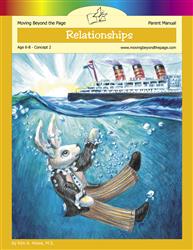
Students listen to the novel read aloud and participate in discussions of chapters, answering direct comprehension questions (e.g., how Abilene felt about Edward and what incidents happened in Chapter 2). Students are prompted to describe the relationship between Edward and Abilene and to answer reflective questions about their own favorite stuffed animal (how they feel, how it would act, why it is important). Students are asked orally whether they think they will enjoy the book and why, and they respond to vocabulary-check activities that require them to justify word choices in context.
Lesson 2
Point of View
Students are asked to listen as Chapters 3 and 4 are read aloud and then answer comprehension questions, including QUESTION #3 which explicitly asks them to retell the story Pellegrina told Abilene and Edward. The Wrapping Up section directs students to "in her own words, retell the tale" and to say what Edward could learn from it, prompting an oral recount with interpretation. The Skills list also prompts students to "acknowledge differences in the points of view of characters, including by speaking in a different voice for each character when reading dialogue aloud," which supports speaking audibly.
Lesson 3
The Queen Mary
Students are prompted to remember and describe a personal boat-riding experience, which requires them to recount an experience aloud. Students read Chapters 5 and 6 aloud and answer comprehension questions about events and feelings, practicing recounting story events and facts. In the Shades of Meaning activity and the wrapping-up repetition, students substitute more descriptive words and repeat sentences aloud, practicing use of relevant descriptive details and audible, coherent sentences.
Lesson 4
Pronouns
Students are asked to listen to Chapters 7–9 read aloud and then answer specific comprehension questions about what Edward thought, who found him, and why he felt a certain way, requiring oral recall of facts. Students look at and discuss illustrations and point out significant details to explain characters and events, practicing describing story details aloud. In Activity 2, students describe Edward's relationships with Abilene and with Nellie and Lawrence and explain how Edward changed, and in Activity 1 students read sentences aloud and then read them again using pronouns, practicing speaking in coherent sentences.
Lesson 5
Emotions
Students are asked to describe how Edward's relationships differ, answering questions aloud after reading Chapters 10–12, which requires them to recount events and character feelings. Students discuss quotes about Edward's feelings and are prompted to base answers on textual evidence, supporting use of relevant facts and details when speaking. Students are asked to pretend to be Edward and dictate a goodbye note to Lawrence and Nellie, using descriptive language (e.g., "I cried silent tears...") rather than simply listing emotions.
Lesson 6
Irregular Verbs
Students read Chapters 13–14 aloud and answer specific comprehension questions that require them to recount facts (for example, whether Edward liked Bull and Lucy and what happened on the freight car). Students are asked to produce spoken sentences using past-tense verbs (three regular and three irregular) and are given the sentence frame "Yesterday, I ______" to help them insert past-tense verbs. Students are also asked to explain why stars might be an important symbol, which requires them to cite relevant details from the text.
Lesson 7
Figurative Language
Students listen to Chapters 15 and 16 read aloud and respond orally to comprehension questions (e.g., Question #1 and #2), requiring them to say answers and give reasons. Students are asked to think about how Edward feels and to discuss who their favorite character is and why, prompting spoken explanation and justification. The Wrapping Up activity asks students to skim a book and find examples of figurative language, which involves discussing examples aloud with an adult.
Lesson 8
The Falling Star
Students listen to Chapters 17 and 18 read aloud and are asked to answer specific comprehension questions (e.g., Who is Sarah Ruth? What did Bryce make Edward do?), which requires them to recount facts from the story. The introduction prompts students to discuss Bryce's action and explain whether it was right or wrong, asking them to state reasons. The wrapping-up activity asks the child which version of the song she prefers and invites her to sing along, providing an opportunity to speak or sing aloud in coherent sentences.
Lesson 9
Apostrophes
Students are asked to listen to Chapters 19–21 read aloud and then answer specific comprehension questions (e.g., Where does Bryce take Edward? What was his plan?), which requires them to recount events and facts from the text. The Getting Started discussion prompts ask students to discuss how Edward's relationships change and to explain what changed him, prompting students to explain character experiences in their own words. Several questions (e.g., Who did Edward think he saw? What did Neal do to Edward?) require students to state relevant factual details from the story.
Lesson 10
Illustrations
Students are asked to describe a personal experience when something important to them broke, prompting them to recount events and feelings. Students are asked to retell Chapters 22–24 of the book using illustrations as a guide and to answer oral comprehension questions about what happened and where Edward woke up. Students complete the "Explain an Illustration" page, identifying who, what, when, and where, and are asked in the wrap-up to describe in chronological order the environments Edward experienced and explain which family was their favorite and why.
Lesson 11
Building Sentences
Students are asked to share a time in their own life when they felt heartbreak and describe how they got past it, which requires verbally recounting an experience. Students answer comprehension questions aloud about Edward Tulane and describe relationships on a timeline in simple sentences, practicing recounting events and facts. Students practice adding adjectives and conjunctions to expand sentences, which trains them to include relevant descriptive details in their sentences.
Final Project
Chalkboard Presentation
Students are asked to dictate sentences for slides that state their opinion of the story, describe their favorite part, and describe a favorite relationship, including reasons for their choices. Students practice reading aloud a selected paragraph and record it using a device. Students practice and give an oral presentation of their slides to family, with teacher/parent feedback on pronunciation and presentation.
Unit 3: Connecting with the Past
Lesson 1
Studying History
Students are prompted to recall and label events on a "Timeline of Your Life," including labeling and illustrating one historic event from each year they have lived, which requires them to remember and describe personal experiences. The lesson asks students to "use each word in a sentence" for chronology vocabulary, prompting them to produce coherent sentences. Parents are instructed to ask the child what he knows about American history, how we learn about the past, and to have the child explain the difference between primary and secondary sources, which elicits spoken explanations.
Lesson 2
Colonization and the Revolution
Students are prompted to discuss and answer oral questions throughout the lesson (e.g., parents are instructed to "Discuss with your child" and to "Ask your child to explain what she thinks" about quotes from the Declaration). Students are asked to "share some of the things she learned" and to explain whether she would have wanted to be a colonist and why, which require spoken responses recounting learning. Multiple discussion prompts (about Pilgrims, Thanksgiving, the Revolution, and George Washington) ask students to explain events, list impacts, and relate experiences from readings aloud.
Lesson 3
Slavery and the Civil War
Students are prompted to explain each of Henry's character traits with evidence from the book as they write them on the cube, which requires recounting parts of Henry's experience. Students are asked orally what they know about Abraham Lincoln and to find and describe events for a timeline, prompting recall of factual events. Students complete the sentence "Because the Civil War was fought, today ________," and fill in descriptions on Famous Americans pages, which requires stating relevant facts about historical figures.
Lesson 4
Immigration
The lesson asks the child to listen to Ellis Island oral history recordings and then "retell one of the stories" and "describe her favorite recording," which requires recounting an experience orally. The photo activity directs the child to select a photograph and answer descriptive prompts (e.g., what the person is thinking or feeling, what they are doing), prompting the use of relevant, descriptive details. The wrapping-up prompts ask the child to talk about family or community immigration evidence, encouraging spoken recounting of personal or family experiences.
Lesson 5
Civil Rights
Students are asked to read The Story of Ruby Bridges and answer specific comprehension questions about Ruby's family, feelings, and events, prompting them to recount parts of the story. Students are prompted to watch videos about Dr. Martin Luther King, Jr. and Rosa Parks and then discuss what they saw and heard. Students are asked to explain the Civil Rights Movement "in his own words" and to add timeline entries for Rosa Parks and Martin Luther King, Jr., which requires stating facts and sequencing events.
Final Project
Preparing Projects
Students are asked to practice presenting their "Connecting with the Past" poster and to explain how past events continue to impact life today. Students are instructed to invite family and friends to their American history exhibit, have others read the timeline and book, and then present the poster aloud. Students are prompted to reflect aloud by answering questions about their favorite part of learning and what they enjoyed creating.
6: Reading

Unit 1: Semester 1
Lesson 1
Word Families and Long Vowel Review
Students read a short reader (Fun and Then Cake) aloud and are asked comprehension questions about specific events (e.g., What did Jade do while Cash rode bikes with Dad? What color was the cake?). Students are prompted to read sentences aloud in activities such as Sentence Scramble and to read shared reading messages aloud, pointing to words as they read. Several activities require students to speak words and sentences aloud (reading sight words, reading matched short/long word pairs, and reading their completed sentence aloud).
Lesson 2
Vowel Teams Review
Students read aloud in the Shared Reading activity, taking the child's lines and pointing to words and letters as they read. Students read a short story (Reader #2 — A Thump on a Cold Night) aloud to an adult and answer comprehension questions about who, what, and why. Students are prompted in Life Application to use found long-vowel words in sentences when they bring them to the adult.
Lesson 5
More R-Controlled Vowels
Shared Reading prompts the child to read Child lines aloud and point to words and letters, providing practice speaking audibly in coherent sentences. Activity 2.2 asks the child to use "hear" and "heard" in sentences about present and past events (e.g., "What is something you hear right now?" and "What is something that you heard yesterday or last week?"), which requires recounting brief experiences. Activity 5.1 has the child read All About Storms and answer factual questions (Why does it rain? What is hail? What might you see or hear during a thunderstorm?) and offer a personal response (Do you like storms? Why or why not?), prompting factual recall and short oral explanations.
Lesson 6
Other Vowel Sounds
Students read a short reader (If Fish Could Talk) aloud to an adult and answer comprehension questions about plot and characters (Activity 5.1). The lesson asks a personal prompt — "Have you ever fed some fish? How would you react if a fish talked to you?" — that invites students to speak about a personal experience. The Life Application invites students to write sentences (or dictate them) and then read those sentences aloud to others, practicing oral presentation.
Lesson 9
Complex Consonants: dge vs. ge
Students are asked to read pages of the reader Moose on the Loose aloud and to answer specific comprehension questions about the story (e.g., How did the moose escape the cage? Why is it a problem that a moose is on the loose?). Students are prompted to predict and describe the story (What do you think will happen in the story?) and to recount personal experience when asked, "Have you ever seen a moose? What other wild animals have you seen?". Students are also asked to explain rules (e.g., explain the rule about using dge and ge) and to read orally with accuracy, appropriate rate, and expression.
Lesson 10
Complex Consonants: tch vs. ch, ck vs. k
Students read The Egg at the Lake aloud to an adult and are asked comprehension questions about events and facts in the story (e.g., what snacks Rick and Claire have, what comes out of the egg). Students are asked to respond to prompts that invite personal recounting (e.g., "If you were going to the beach, what items would you bring? Why?" and "Have you ever held or touched a snake? Would you want to?"). The lesson also asks students to share what they've learned with family and friends, which requires speaking about their learning in sentences.
Lesson 11
Final e: ce, ve, ze, se
Students read Aesop's Fables (Activity 4.2 and 5.1), then answer oral comprehension questions such as "What was your favorite fable? Why?" and recount plot points (e.g., how the dog lost his bone). The Skills section and multiple activities require students to read grade-level text aloud with accuracy, appropriate rate, and expression, and activities ask students to predict events and explain the moral. Shared Reading and follow-up prompts (riddles, read-alouds) require students to speak responses aloud in coherent sentences.
Lesson 13
Making Plurals
Students read The Witches Go to the Beach aloud (Day 4 pre-reading and Day 5 reading) and answer specific comprehension questions about events (e.g., What happens when the witches get to the beach?). Multiple activities require students to read aloud, speak words and plural forms, and explain rules (e.g., Activity 3.1: ask your child to explain what he's learned). Students are prompted to describe story elements such as what the witches enjoy doing and why people cover their ears.
Lesson 14
Uncommon Plurals
Students read aloud and take turns reading lines during Shared Reading, practicing speaking audibly in coherent sentences. Students read The Storm at the Barn aloud and answer comprehension questions that require them to recount story events (e.g., "Why did the women and children need to bring the animals to the barn?"). Students respond to prompts that require spoken sentences and reasoning (e.g., predicting what will happen, explaining whether they would want to be in a barn during a storm).
Lesson 15
Words Ending with ed and ing
Students are prompted to tell something they did yesterday and to write short sentences about past and future actions (Activity 1.2), then read those sentences aloud and identify the action words. The teacher asks oral prompts in Shared Reading (Activity 1.1) — "What is something that you did last week?" and "What are you doing right now?" — which require students to recount experiences verbally. Students answer comprehension questions about The Red-Eyed Tree Frog (Day 5) that require them to recount story events and explain reasons (for example, how the frog scares away the snake and why she lays eggs on a leaf).
Lesson 16
Words Ending with er and est
Students are asked to read a short reader aloud (Activity 5.2) and then answer comprehension questions about the story, requiring verbal responses. Students describe and compare objects using adjectives in Activities 1.2 and 2.1, producing sentences like "A horse is faster than a snail." The Life Application and various prompts (e.g., "Who is the tallest person in your family?", "What was your favorite bug game?") ask students to speak about comparisons and preferences aloud.
Unit 2: Semester 2
Lesson 1
Compound Words
Students are asked to read A Color of His Own aloud and then answer comprehension questions aloud (e.g., "How is the chameleon different...?" and "At the beginning of the story what did the chameleon do...?"). The Skills list explicitly includes "Describe characters, settings, and major events in a story, using key details," and the Introduction encourages the child to "discuss what he's reading." Activities also require students to use sight words in sentences and respond to riddles aloud, providing opportunities for spoken, coherent sentences.
Lesson 2
The Six Syllable Types
Students are asked to speak aloud in multiple activities: Shared Reading has the child read lines aloud and point to words, and Activity 5.1 asks the child to draw an animal card and say a sentence using the animal name. Day 3 includes comprehension questions (e.g., "If you were a chameleon what color would you want to be?" and "Do you think it would be fun... Why?") that require oral answers. Several activities prompt students to read sight words and answer questions aloud (e.g., identifying vowel sounds, counting syllables, and explaining differences between words like "dinner" and "diner").
Lesson 3
Open and Closed Syllables
Students read pages of Mouse Soup aloud and answer comprehension questions (Q1–Q5), explaining elements of the story such as why the weasel caught the mouse and how the mouse removed the bees. Students role-play by pretending to be the mouse, acting out actions while reading pages and using a mouse voice, then switch roles so the child reads while the adult acts. Students speak sentences aloud when reading sight words and during activities like Word Match and Word Path, practicing audible, coherent sentence-level speaking.
Lesson 4
Syllables with R-Controlled Vowels
The Skills list explicitly states students will "Retell stories, including key details" and "Describe characters, settings, and major events in a story, using key details." Activity 3.1 asks students to identify the problem and write or dictate answers on a Plot Diagram, and the reading questions include Q4 which prompts students to speak about a personal experience. Activity 2.1 asks students to think of a story about a walk using theme words and to record words as they use them, and Shared Reading has the child read lines aloud.
Lesson 5
Two-Syllable Words Ending in y
Students are prompted to speak aloud in several places: they read sight words and are asked to use each sight word orally in a sentence (Activity 1.3). In Activity 3.1 students list things that make them happy and then read the petals aloud. The reading discussion questions (Day 2 and Day 3) ask students to discuss character feelings and events from The Thorn Bush, and Activity 4.1 has students identify ingredients from favorite stories and record them on the Mouse Soup Recipe page.
Lesson 6
Possessives
Students sequence and orally call out Penny's pretend-play events in Activity 4.1 and act them out using actions, words, and props, which requires them to recount events from the book. Students read Chapters 1–2 and answer comprehension questions aloud (e.g., What did Penny find? Would you have taken the marble?), providing opportunities to recount story events and explain reasons. Students also read words and short passages aloud in multiple activities (shared reading, sight words, Theme Words Paragraph), giving practice in speaking sentences audibly.
Lesson 7
Contractions
Students finish reading Penny and Her Marble and answer five comprehension questions about plot events, which requires them to recount story details. Students discuss how Penny felt, draw before-and-after pictures, and write three words describing her feelings, practicing description of character changes. Students are prompted to read responses aloud, use sight-word contractions in oral sentences, and read contractions on theme cards and matching games.
Lesson 8
Two-Syllable Words with Silent e
Students are asked to reread the story "Down the Hill" and then give an oral summary (Activity 4.1), with an explicit definition of a summary that directs them to tell the most important characters, how the story starts, the main events, and how it ends. Activities prompt students to explain how Frog and Toad felt and to justify their answers (Day 3 Activity 3.1 and Reading Questions), which requires including relevant facts and descriptive details. Multiple activities require students to read aloud (shared reading, read the title, read the first story, read sentences aloud) and to answer oral questions, promoting speaking audibly in coherent sentences.
Lesson 9
Vowel Teams
Students read the Frog and Toad stories ("The Corner" and "Ice Cream") and answer specific comprehension questions that require them to recount events and explain meanings. Students are asked to summarize the story "Ice Cream," which requires describing the main things that happen to the characters. Students are prompted to use sight words in sentences and to read aloud in activities like the Word Path, giving some practice in spoken sentence use.
Lesson 10
Consonant Teams
Students are asked to answer comprehension questions aloud after reading Frog and Toad, including a personal prompt: "What was a time when you felt worried?" which asks for a recount of an experience. Students are prompted to use sight words orally in a sentence (Activity 1.3) and to read sentences and short passages aloud with appropriate rate and expression (multiple shared-reading and sentence-reading activities). Students explain clues to identify seasons (Activity 4.1) and discuss character traits for Frog and Toad aloud (Activity 3.1), requiring them to state facts and observations verbally.
Lesson 11
Consonant + le Syllables
The lesson requires the child to read aloud during Shared Reading (the parent reads left-side words while the child reads right-side words) and to read pages 1–19 of Alexander and the Wind-Up Mouse, supporting oral practice. The lesson includes comprehension questions that ask the child to recount events from the book (e.g., why Alexander was screamed at, what Alexander found, what Alexander heard about the garden). Several activities prompt the child to repeat words or pronunciations aloud (sight word repetition, Word Swat) and to answer questions about feelings and events.
Lesson 12
Suffixes
Students are asked to tell a story out loud that includes all eight Party theme words (Day 2 Activity 1.1), with each used word written as it is spoken. Students are prompted to explain and identify story elements (characters, setting, beginning/middle/end, problem and solution) and to place details into a graphic organizer (Day 3 Activity 3.1). Multiple activities prompt oral responses (answering comprehension questions about Alexander and the Wind-Up Mouse and discussing what they would wish for with the Magic Purple Pebble), giving students opportunities to recount events and speak about characters and events.
Lesson 13
Prefixes
Students are asked to explain what a suffix is and give examples, and they are asked to share what each prefix means after watching the prefix video (Activities 1.2 and 1.3). Students read poems aloud, answer comprehension/reflection questions (Which poem was your favorite? Had you ever heard any of the poems...?), and are asked to pick a favorite nursery rhyme, practice it, and sing it for the family (Reading and Questions, Activity 3.1). Several activities require students to read aloud, recite, or perform poems/lines, which gives opportunities to speak audibly in coherent sentences.
Lesson 14
Words Starting with q or a
Students are asked to read poems aloud (Question #2) and to have a poem read aloud to them while they close their eyes and describe the images they see (Question #3). Students are prompted to memorize and perform a song for the family (Activity 3.1) and to read the story "The Quail" aloud, highlighting qu words (Activity 4.3). Students are also asked to say what they usually do on a given day and to copy/write the day (Activity 2.1), and to use sight words orally in sentences (Activity 1.3).
Lesson 15
Semester Review
Students are asked to read books aloud (Days 2, 3, 4, and 5 book choices) or take turns reading lines/paragraphs, which gives practice speaking aloud. Multiple activities require students to read sentences back aloud (Contractions and Possessives Review, Spelling Review) and to pronounce or read words/groups of words to an adult (Two-Syllable Sound Review, Prefix/Suffix pronunciation). The unit ends with a direct prompt asking the child to tell which book was his favorite this semester and to explain why, requiring an oral explanation.
Final Project
Write Your Own Story
Students plan a story using the Story Idea page that prompts them to identify characters, setting, and the beginning, middle, and end of the narrative. Students write multi-page narratives (6 notecards, then final book pages) with 2–3 simple sentences per page, and they are asked to include theme and sight words to add detail. The materials include reading practice (sight words and word lists) and instruct that the child can read her finished book aloud to the family, providing an opportunity for oral presentation.