


Second Grade - ELA
1: Community

Unit 1: Communities Around the World
Lesson 1
Exploring a Community
Students are read The City Mouse and the Country Mouse and are then asked explicit comprehension questions such as "How were the City Mouse and the Country Mouse different?", "Why did the City Mouse invite the Country Mouse to his house?", and "What happened to the Country Mouse when he was in the city?". The directions ask the story to be read at least twice and instruct the adult to ask those questions so students answer key-detail questions about characters, events, and reasons. Activity 3 also asks students to write three sentences about where they would rather live, prompting them to respond about text-related concepts (rural/urban).
Lesson 2
Roles of People in Communities
Students identify and name community workers (who) by writing the names under pictures (Activity 1 Option 1). In Option 2, students write a sentence about each worker that tells what the worker does (what) and are asked to identify the noun and verb. Activity 2 has students place workers on the map near the buildings where they might be found (where). Activity 3 and the Wrapping Up ask students to look through books or the Internet for jobs in pictures and to discuss how and why some jobs exist in different communities (how/why).
Lesson 3
Goods and Services
Students read If You Give a Pig a Pancake and for each situation decide whether the pig is asking for goods or services, recording examples in a two-column chart. In Activity 1 students label items as goods or services, describe a time they or a family member used the good or service (recalling when), and say where a person would go to buy it. In the Wrapping Up students name goods found at home and answer where those goods might have been bought and whether any services were paid for that week.
Lesson 4
Wants and Needs
Students are prompted to answer 'what' questions (e.g., What is the difference between wants and needs?) and 'why' questions (e.g., Why are needs more important than wants?) when they list and prioritize five wants and five needs. In Activity 3 students answer 'where' questions by identifying places (garden, grocery store, faucet, etc.) where Jessie can meet needs, cutting and pasting images into labeled circles. The Getting Started and Wrapping Up prompts ask open-ended WH questions (What do communities provide? Why needs are more important?) that require students to respond with key details about wants and needs.
Lesson 6
Uses of Money
Students are asked direct wh‑questions such as "where people get money," "what people do with the money they make," and "what it means to be a hard worker." In activities students answer where/what/why prompts (e.g., choose where to go on a vacation and what to buy, respond to saving scenarios, and say where and why they would give money). The Wrapping Up section asks students to explain wants and needs, identify goods and services, and explain how people can use money (spending and saving).
Lesson 7
Work and Money
Students read short scenarios in "Making a Choice" and write what they would do and explain why, directly answering reasons based on the text. In the "Limited Resources" activity students select specific items to buy and are asked to explain their reasoning, identifying what they would purchase. The wrap-up asks students to describe the choices people make about work and money, prompting verbal or written responses tied to details in the provided scenarios.
Lesson 8
Customs and Holidays
Students are asked to write the name and date of each holiday (what/when) and complete prompts such as "We celebrate this holiday because..." and "On this day our family..." which require stating reasons and family practices (why/how). In Activity 4 students locate and label countries on a map and write the holiday and date (where/when). The materials instruct reading texts about religious aspects of holidays and discussing their significance, and Activity 3 has students act out traditions and then name the holiday (recognizing and explaining actions).
Lesson 9
Different Communities
Students read books and online texts about a chosen country and record specific facts (Food, Goods, Homes, Clothing, Holidays) on a Country Research graphic organizer. Students are prompted to describe what they learned and to answer high‑level questions about a text (listed under Skills). The activities ask students to compare and contrast details using a Venn diagram and to draw and label goods, homes, clothing, and foods, which requires locating and recording key details from texts or research.
Lesson 10
Communities Change
Students are prompted to answer specific who/what/why/how-style questions during read-aloud (e.g., "What happened in the story?", "Did the little house like living in the city or the country? Why?", "How did the land change over years?", "How did the transportation change?"). Skills and activities require students to retell and summarize events, respond to open-ended questions about the text, and use prior knowledge to make meaning, all of which involve answering key-detail questions. Students are also asked to predict and discuss the book (e.g., read the title/author and say what they think the story might be about), which engages question-response practice.
Lesson 11
Government and the People
Students are asked and prompted to answer several WH questions such as "What roles do community members play?" and "What are the responsibilities of community members?" The lesson asks students to explain why it is important to allow everyone to vote and to answer wrapping-up questions like how citizens decide leaders and what it means to vote. On the activity pages students read short passages (e.g., vote tallies, scenarios about kids at the park) and answer questions that require identifying who won a vote, which book was chosen, and how many children voted for an option.
Final Project
Community Brochure
Students are asked to include the community name, location, and mayor on the brochure cover, which prompts identification of who and where. The organizer asks students to list celebrations with dates and reasons, which prompts when and why. Other sections ask students to describe goods and services and how they meet citizens' wants and needs and to explain ways the community has changed over time, which prompts what and how; the lesson also tells students to look over example brochures and talk about the information presented in the text.

Unit 2: Citizenship
Lesson 1
A Good Citizen
Students answer explicit comprehension questions after reading The Boy Who Cried Wolf (e.g., "Why did the boy lie?" "What happened to the boy because he lied?"). Students describe and sequence events in the Scene by Scene activity by ordering frames and writing sentences for each scene, demonstrating when events occur. Students describe changes and actions in the wordless book Home (e.g., "Describe the neighborhood at the beginning..." "What are the people doing to help the community?") and identify who in the book are good citizens. Activity 1 asks students to read scenarios and label what characteristic (what/why) fits each action and explain their choices.
Lesson 2
Decisions and Consequences
Students are asked to read Lilly's Purple Plastic Purse (read title, attempt to read aloud, listen to a read-aloud) and then answer specific comprehension questions such as "Did you like this story? Why or why not?", "How would you describe Lilly?", "What did Lilly do at the beginning of the story?", "Why did Lilly feel bad during the story?", and "What actions did Lilly take to make the situation better?". Students also read examples of Lilly's actions on an action chart and write the consequences, and match action/consequence cards in a game, demonstrating identification of key details and outcomes in the text.
Lesson 3
Diversity in the Community
Activity 4 instructs students to think of five questions that begin with who, what, when, where, why, or how and to practice writing question marks. Students are asked to conduct and/or record an interview, review the information learned, and write short answers for each question based on the interview. The Skills section and Activity 4 tell students to read about a country on the Internet or in books to learn more and to use text to locate important information.
Lesson 4
Living in America
Students are asked to name places they have seen the American flag (Activity 1) and to complete sentences explaining why there are 13 stripes and 50 stars on the flag, which asks them to provide key factual details from the flag text. In Activity 3, students read the Pledge of Allegiance and are asked explicit why-questions (e.g., "Why do you think we have a pledge?", "Why is it important that America is a republic?"). Students also read the words to "The Star-Spangled Banner" and hear a short explanation of why the poem was written, giving material to answer comprehension questions.
Lesson 6
Leaders in the Community
Students are asked specific WH questions after a read-aloud (e.g., "What was the person's name and where did he or she live while growing up?", "What was something that happened...", "Did anything happen...that was hard?", "How did he or she help the community?"). Student writing templates ask for 'When ___ was younger he/she ___' and prompts like '________ was a leader because __________' and 'I know _______ because ________,' which require answering when, why, and how details. Activities require students to write sentences and short biography pages that record who the subject is, where they were born, what they did, and how they helped the community.
Lesson 7
Inventors
Students read a short biography about an inventor (Activity 3) and are asked specific comprehension questions such as "How would you describe the inventor?", "What was the inventor's most famous invention? What did it do?", and "What was something interesting that happened to the inventor?". In the Famous Inventors and Scavenger Hunt activities, students write sentences and a paragraph explaining how inventions helped people and complete prompts like "The invention helps people _____" and "If we didn't have this invention, _____," which require answering what/how questions about informational text and real-world examples.

Unit 3: Plants and Animals
Lesson 1
Living and Nonliving
Students read Sylvester and the Magic Pebble aloud and listen to it being read. They are asked specific comprehension questions such as "Is Sylvester the donkey living? How do you know?," "Is Sylvester the stone living? How do you know?," "What would you wish for…? Why?," and "What did Sylvester learn in the end?." Students are prompted to predict the story and to point out living and nonliving things in the illustrations, then discuss and answer questions about the text.
Lesson 2
Animal Structure
The Skills list explicitly includes "Ask and answer questions about organisms (S)." The opening Questions to Explore and activities prompt students to answer "How" and "What" questions (e.g., "How do animals' designs help them to live in their communities?" and "What do communities provide for their members?"). Wrapping-up prompts and Activity 3/4 ask students to describe how body parts help animals and to explain how a bear or bird would be different without certain parts, which requires answering explanatory (how/why) questions.
Lesson 3
Classifying Animals
The lesson explicitly lists the skill "Ask and answer questions about organisms" and provides multiple activities where students use books or the Internet to decide classifications (Activity 3 and Activity 6). Activity 10 gives direct question prompts (e.g., "Are you warm or cold-blooded?", "What is one of your body parts? How do you use it?", "What is your body covering?") for students to ask and answer about animals. Activity 9 includes a prompt that requires students to state where an animal lives ("I am a __, and I live __"), and the unit opener contains "How" and "Why" questions to explore.
Lesson 5
Animal Needs
Students are asked to locate information about a chosen animal and then write its name, habitat, and how its food, water, and shelter needs are met (Activity 2), which requires answering questions about what the animal eats, where it lives, and how its needs are satisfied. Activity 4 guides students to complete fill-in-the-blank descriptions including habitat, physical characteristics, diet, and shelter, prompting answers to targeted who/what/where/how-type details. The Wrapping Up prompts ask students to explain what people and animals need and how an animal's habitat meets those needs, asking for explanatory responses that address how and what details.
Lesson 6
Extinct and Endangered Species
The Skills list explicitly includes "Answer high-level questions about a text (LA)," indicating students will practice responding to text-based questions. The "Questions to Explore" section lists several how-questions (e.g., how do living things survive; how do animals and plants depend on one another) that students are expected to explore and respond to. The Wrapping Up prompts instruct an adult to ask the child "what it means for an animal to be endangered or extinct" and to ask for "some reasons why some animals are no longer able to live and grow," requiring student answers to what/why questions. Activity 4 has students read different theories about dinosaur extinction, providing text-based material for answering why/how questions.
Lesson 7
Plants
Students read the story "Jack and the Beanstalk" and are asked explicit comprehension questions such as "Who were the characters?", "Where did the story happen?", and "What happened in the story?" The Skills section and activity directions require students to answer questions and summarize information and to describe main characters and setting, which students practice through the story discussion.
Lesson 8
The Role of Plants
Students are asked specific post-reading questions about The Giving Tree such as "Who are the two characters in the story?," "What did the tree give to the boy?," and "Do you think that the boy/man was nice to the tree? Why or why not?," which requires answering who, what, and why. Students sequence events by drawing five scenes from the story and arranging them in order, demonstrating understanding of key details and event order. Students also write a thank-you note that asks them to mention specific items the tree gave, reinforcing recall of key details from the text.
Lesson 9
Comparing Living Things
Students are asked explicit 'how' questions in the Getting Started section (e.g., "How do communities meet the needs of their members?" and "How do living things survive in their communities?"). Students compare and contrast living things by answering 'what' needs plants, animals, and humans require using checkboxes and completing sentence starters such as "Plants and animals need __________." Students draw and label what each pictured living thing needs and use a Venn diagram to list similarities and differences between themselves and an animal.
Lesson 10
Life Cycles
Students are prompted to find pictures in books or on the Internet and discuss each stage of an animal's life (Activity 1), which asks them to read and sequence details from texts/illustrations. The lesson includes guiding questions such as "How do living things survive…" and "How do animals' designs help…," giving students opportunities to answer a how-question. In Activity 4, students read clues on the "Life Cycle Logic" page and decide the length of each animal's life cycle, which requires reading text clues and answering questions based on those details.
Final Project
Nature Guide or Habitat in a Box
The lesson explicitly lists the skill "Ask and answer questions about organisms (S)" and prompts the child to choose a habitat and explain it to others. Student pages require students to fill in fields such as Name, Size, Habitat, Food, and "Why it is threatened," and to "Describe and illustrate the life cycle" and create two food chains. The project also asks students to share their project with others, which would require answering questions about their chosen habitat and organisms.
2: Matter and Movement

Unit 1: States of Matter
Lesson 1
What Is the World Made Of?
Students read and listen to the informational text What Is the World Made Of? and stop to discuss specific questions such as "What is the world made of?," "What are the three states of matter?," and "How can matter change?". Students sort and label examples from the text into solids, liquids, and gases (Activity 2 and 3) and are asked to explain how they reached conclusions and to write sentences describing observations. The skills list and wrapping-up questions prompt students to listen responsively and give key details from the text (e.g., names and properties of states, examples in the house).
Lesson 2
Solids
Students are asked to reread pages 9–10 of What Is the World Made Of? and to explain why a pencil will not go through a rock, prompting a why-question about content. Students are asked to identify whether containers hold solids, liquids, or gases and to explain how they know, which requires answering how/why-type questions about observations. Students write sentences describing solids using sensory details from Investigating Solids, demonstrating that they answer questions about key details when describing objects.
Lesson 3
Liquids
Students read pages 12–13 of a book and are asked to describe what a liquid is, which requires answering a "what" question about text details. Students read a recipe and decide whether each ingredient is a solid or a liquid, demonstrating they can answer questions about information in a text. On the map activity students identify bodies of water (what/where) and explain how people use them (how), answering questions about informational content.
Lesson 4
Bartholomew and the Oobleck
Students are prompted to answer explicit who/what/why/how questions (e.g., "How would you describe the king?", "What did the king want…? Why did he want it?", "How did Bartholomew stop the oobleck?"). The Story Quilt activity asks students to name characters and setting and list three important events, the problem, and the solution, which requires identifying key details. The True or False activities require students to read statements about the story and decide whether they are true or false and to correct false statements, demonstrating comprehension of specific details.
Lesson 5
Comparing Matter
The lesson includes explicit exploration questions: "What are the properties of solids and liquids?" and "How can matter be described?" Students label pictures as solid/liquid/gas and draw molecule arrangements (Activity 1), and they are asked to explain which model represents a solid, liquid, or gas and to explain their selections (Activity 2). The wrap-up asks students to explain how molecules in solids, liquids, and gases are different, and Activity 3 requires students to write sentences describing objects using adjectives.
Lesson 6
Changes in States of Matter
Students are asked and prompted to answer direct questions such as identifying the state of water, explaining what causes water to change to ice or steam, and describing what caused changes in Foods That Change (heat or cold). Students answer written questions on activity pages (e.g., Melting Rates Graph: "Which solid took the longest/shortest amount of time?" and Measuring Ice and Water: "Was the height of the ice or the water more?"). Students read directions (for making JELL-O) and write sentences describing observed changes, then read those sentences aloud and identify nouns.
Lesson 7
Exploring Solids and Liquids
The skills list explicitly includes "Respond and elaborate in answering what, when, where, and how questions (LA)." In Activity 1, students read What's the Matter in Mr. Whiskers' Room?, write three sentences describing three things that happened in the book, and answer comprehension prompts such as "Which part of the book was your favorite? Why?" and "What was something new that you learned about states of matter?" These tasks require students to answer text-based "what" and "why" questions and to produce written responses demonstrating understanding of key details.
Lesson 8
Our Bodies and Our World
Students read a short story about Jason and are asked explicit comprehension questions including Who was the main character?, What challenge or problem did Jason have?, How did he solve his problem?, and Would you have enjoyed Jason's party? Why or why not?. Students are asked to read the story twice and circle solids, liquids, and gases, and some options require filling in blanks in the story, which directs students to attend to and answer questions about key details.
Final Project
States of Matter
Students answer explicit questions on a States of Matter Test (fill-in-the-blanks for the three states, multiple choice about properties, and circle-the-correct-answer items about adding heat or cold). Students identify pictures as solid, liquid, or gas and write sentences beneath liquids describing what each is used for. Students create collages where they label items as solids or liquids and write adjectives or uses, demonstrating comprehension of key details about those examples.

Unit 2: Earth
Lesson 1
Our Planet Earth
Students read You're Aboard Spaceship Earth and then are asked comprehension questions about the book (Activity 3) such as "Why does the author call Earth a 'spaceship'?", "What makes Earth different from the other planets in our solar system?", and "Why do we not run out of water on Earth?". Students are asked to point to examples of living things and to locate examples of solids, liquids, and gases in the book, and to write three sentences telling someone what the book is about. The wrapping-up prompt also asks students to explain what they learned, reinforcing answering questions to show understanding of key details.
Lesson 2
Matter on the Planet
Students are asked to read pages 17–19 of You're Aboard Spaceship Earth and then answer direct questions such as whether the air we breathe is a solid, liquid, or gas and where oxygen comes from. Students are prompted to name examples of solids, liquids, and gases found in nature and to describe what the air they breathe looks like. Students perform and describe demonstrations (feeling chest expansion, blowing up a paper bag) and answer how they know air is there.
Lesson 3
Digging Into Dirt
Students are directed to read pages 20–32 of You're Aboard Spaceship Earth and to describe what dirt looks like, prompting them to answer questions about a text. In Activity 5 an adult reads the Jake story and students are asked where Jake lost the coin and then to explain and write 2–3 sentences describing how they solved the case, which requires answering 'where' and 'how' from story details. Activity 1 has students place animals in their homes (answering where animals live) and Activity 2 asks students how soil samples are similar and different (answering how).
Lesson 4
From the Earth
Students are asked to read online pages about natural resources and to record in a journal where each resource is found and how it is used, which requires answering 'where' and 'how' from text. Students circle materials they think their family uses and write a sentence about how each material is used, and they label pictures as water, food, clothing, or shelter and describe how each item helps meet needs (what/how). Students discuss the value and uses of trees and the natural resources found in their state, prompting spoken question-and-answer about key details.
Lesson 5
Rocks
Students are asked to look at the cover and identify the title, author, and illustrator and to predict what the story might be about, then attempt to read and listen as the story is read (Activity 6). While reading, students are asked specific comprehension questions such as "What was this story about?," "Have you ever been on a rock hunt?," and "Which rules do you think are most important…? Why?" (Activity 6). Students cut out and put the ten rules from the book in order and can write sentences summarizing each rule, which requires them to identify and sequence key details from the text (Activity 7). The wrap-up asks students where rocks can be found and why rocks are important, prompting them to answer questions about key ideas related to the text/topic.
Lesson 6
Water, Water Everywhere
The lesson includes explicit question prompts (Questions to Explore) that use "How" and "What" (e.g., How do living things depend on the Earth for survival? What are examples of matter found on Earth?), and the Introduction asks students to name bodies of water and the five oceans. Activity 7 directs students to reread pages 12–15 of You're Aboard Spaceship Earth and then write sentences about ways they use water, which requires answering comprehension questions about a text. Activity 3 (Fresh Water) and other activities ask students to write one- or two-sentence responses comparing freshwater and ocean environments, requiring students to answer content questions based on provided information or readings.
Lesson 7
Taking Care of the Earth
Students are asked to read materials and directions aloud (Activity 3) and to read the "Air Pollution" list and circle items they or their family could do, which requires reading comprehension. Students are prompted to answer questions and make predictions (e.g., "Ask your child what she thinks happens when oil is dumped into water. Record her answer." in Activity 6) and to give examples (e.g., "Ask your child to give examples of why the Earth is important…" in Introduction). Students also examine an informational picture and identify instances of pollution by circling examples on the Pollution activity page (Activity 5).
Final Project
Earth Exhibit
Students reread You're Aboard Spaceship Earth and then record specific details from that text when they plan their exhibit, using prompts such as "Where it is found:" and "What it is used for." Students write a sentence explaining why each material is important to living things and complete a prompt asking "How will museum patrons experience the solids/liquids/gas?" At the end students are asked to describe what they learned and why Earth materials are important to living things.
Unit 3: Balance and Motion
Lesson 1
What Is Balance?
The lesson directs an adult to ask the child specific comprehension questions after reading What Is a Balance? (e.g., "How are a seesaw and a balance scale alike?", "How can you tell which side of a balance is heavier?", "What happens when two amounts on a balance are equal?", "What are balance weights?", "What are balance scales used for?"). It instructs rereading the book if the child cannot answer and then asking the questions again, and it asks the child to write two or three sentences that describe the main idea of the book, demonstrating understanding of key details.
Lesson 4
Force and Motion
Students read the book Move It! and are asked specific comprehension questions such as "What is the difference between a push and pull?", "What does motion mean?", "What do you think a motionless object would be like?", and "Do you think it's easier to push or pull? Why?" The lesson's Questions to Explore also prompt students to answer "In what ways does matter move?", "Why does matter move?", and "How does matter change positions?" Students are encouraged to answer questions in the text, act out examples, write sentences about pictured actions, and write a short paragraph describing motion in a self-created scene.
Lesson 5
Gravity
Students are asked to jump and then answer why they could not stay in the air after reading pages 20–21, directly using a text-based explanation of gravity. Students read Forces Make Things Move (or listen as it is read aloud) and complete a True/False activity that asks them to decide whether statements from the text are true or false. Students are asked to explain what gravity is in their own words and to write a short paragraph imagining life without gravity, tasks that require them to produce answers about key ideas from the text.
Lesson 6
Friction
The lesson includes explicit question prompts such as "In what ways does matter move?" and "Why does matter move? Why does matter stop moving?" and asks the child to explain why a toy car stopped, which requires answering 'what' and 'why' about observed events. The lesson directs students to read specific pages in books (e.g., Read page 24 in Move It; Read pages 16-21 in Forces Make Things Move) and to discuss which surfaces create more or less friction, which asks students to use text/investigation details to support conclusions. The wrapping-up instructions ask the child to explain what friction is and to give examples of surfaces that have a lot or little friction, prompting short-answer responses tied to the reading and activities.
3: Culture
Unit 1: Geography
Lesson 1
Using Maps and Globes
Students read The Armadillo from Amarillo aloud and are prompted to stop at unknown words, reread, and listen on a second reading. After the story, students answer explicit comprehension questions such as "Where was Armadillo at the beginning of the story?", "What state did Armadillo live in?", "Where did the eagle take Armadillo?", and "What did Armadillo learn on his journey?" The lesson's Skills list also includes "Answer questions about text read aloud (LA)," indicating practice in responding to text-based questions.
Lesson 2
Cardinal Directions
Students are asked to answer specific map-based questions on the Treasure Map activity (e.g., "What is north of Death Valley?", "What is south of Savage Hill?", etc.), requiring them to identify key details and locations. The Introduction and Activities prompt students to describe directions and explain how to get to places (e.g., describe the direction of the front door, explain why left/right won't work on a map). The Wrapping Up prompts students to explain why cardinal directions work for sailors and why they are better than forward/backward/left/right, which requires answering "why" questions based on map-related details.
Lesson 3
Landforms and Bodies of Water
Students are asked to read specific pages in The Usborne Children's Picture Atlas about rivers and lakes and then answer questions such as naming bodies of water and describing what it would be like to live near them. Students complete fill-in-the-blank sentences and match positive and negative aspects to specific bodies of water, and they write a paragraph explaining which body of water they would like to live near and why. Students also match pictures to definitions of landforms and bodies of water and are asked at the end to name different landforms and bodies of water.
Lesson 4
Natural Resources
Students are prompted to answer specific questions on the "Researching Resources" sheet such as "Where is it found in the U.S.?" and "How is it made?", and to describe jobs related to the resource and how the resource is used. Adults are instructed to help locate information in books or on the Internet and to read the information aloud so students can answer the questions. Students are asked orally where each sample item is found and to explain why natural resources are important, practicing who/what/where/how/why question forms.
Lesson 5
Habitats and Geography
Students read specific pages in a picture atlas and are asked direct comprehension questions such as "In which habitat would you most enjoy living? Why?" and "What would be different about living at the North Pole than living in the tropical rainforest?", prompting them to answer what and why/how about text details. Students read a passage about the camel and are asked to explain how people use animals, locate information about plants or animals used by people, and write sentences about why those plants/animals are important. Students are instructed to label habitats, place cutouts or draw organisms into appropriate habitat boxes, and write sentences describing similarities, uses, or reasons, which requires referencing text information to answer where/how questions.
Lesson 6
Geography, Weather and Natural Disasters
Activity 3 asks students to write a question they want to find the answer to for each natural disaster and then read about each disaster to find those answers. The Skills list explicitly includes "Ask questions about events," and the introduction and Activities 1 and 2 prompt students to describe weather and answer location-based listening prompts (e.g., "Where are you?"). Activity 3 also instructs students to use proper punctuation for questions, reinforcing question formation.
Lesson 7
The Seven Continents
Students read Discover the Seven Continents and then answer explicit questions by pointing to the map (e.g., Which continent has the Sahara Desert and Mount Kilimanjaro? Which continent is the smallest?). Students are prompted to look back at the page and to use pictures and words to find information, demonstrating use of text details to answer questions. Students are also asked open-ended questions (e.g., Why is it important to know where places are located? Which continent would you most like to visit? Why?) and to point to the equator and warm/cool parts of continents to show understanding of key details from the text and maps.
Lesson 8
People Change Geography
The lesson includes several open-ended prompting questions (e.g., "How does the location of a place affect the people and culture?" and "How do people influence the geography/land in the area where they live?") that require students to respond. Activity 2 directs students to look on the Internet or in books for pictures and descriptions of farms and to write a sentence about each crop/farm they read about, which asks students to read text and produce answers. The wrap-up asks students to explain how people change the land and what pollution is, prompting short-answer responses based on content.
Final Project
Geography of a Continent
The Questions to Explore prompt students to consider how and why location and geography affect people and to describe where places are located. The student activity page asks students to record bordering oceans (where), major landforms and bodies of water (what/where), how people use water and how natural disasters affect people (how/why), and to identify natural resources, jobs, habitats, and animals (what/how). The activities require students to use Discover the Seven Continents and other sources to find information and to tell family members what they learned, which involves answering factual questions from texts and research.

Unit 2: People Around the World
Lesson 1
Exploring Culture
Students read pp. 10-13 in The Usborne Children's Picture Atlas and are asked explicit comprehension questions such as "What are some things that people do in different cultures?", "How do people share ideas?", and "What are different ways people get from place to place?". Students are directed to listen critically and interpret responses and to complete written activity pages (e.g., "Looking at My Culture") that require illustrating and writing about cultural elements. Students also conduct interviews using prompts that include questions like "How and why is it celebrated?" and record answers on an "Interview" page.
Lesson 2
Traditions
Students read informational passages about holidays (e.g., the descriptions of Christmas, Thanksgiving, Chinese New Year, Cinco de Mayo, and Kwanzaa) and are prompted to answer comprehension questions such as "How is Christmas celebrated differently…?", "Which country was most similar…? Why?", and "Which country would you enjoy celebrating Christmas in? Why?". Students are asked to draw and write about why each holiday is important on the Holidays activity page and to discuss the significance of foods on the Chinese New Year Dish page. Students also locate countries on a world map (identifying where) and explain timing/details of holidays (e.g., when Chinese New Year occurs), which requires answering who/what/where/when/why/how style questions about the texts.
Lesson 3
Different Religions
Students read short informational paragraphs about Ramadan, Easter, Hanukkah, and Christmas and then match each holiday to its religion and symbol, showing they can identify key details from the text. Students create a bar graph from a provided data table and answer WH-type questions such as which religion was most/least common and how many more people were Muslim than Buddhist, practicing 'which' and 'how many' question answering. Students are asked to name examples of religious holidays and explain why they are celebrated and to write questions they would like to ask a friend about that friend's religion, practicing 'why' and question formulation.
Lesson 5
Transportation in Culture
Students are prompted to read about methods of transportation on pages 12–13 of The Usborne Children's Picture Atlas and to act out forms of transportation while an adult asks them to identify their actions. The Getting Started section lists question prompts (e.g., How are people from different cultures the same and different? How does a person's culture affect his or her life?) that require students to answer how and why. The Wrapping Up asks students to describe types of transportation, where they can be found, and how transportation is used in different cultures.
Lesson 6
American Culture
Students are asked open questions such as "How does a person's culture affect his or her life?" and "What do the traditions, jobs, foods, and transportation of a culture tell us?" which prompt answers using question words. Students locate the Liberty Bell and the Statue of Liberty on a map (where) and describe what objects symbolize (what/why) when they identify and draw a personal symbol. Students read the "Leaders in America" cards, match each leader to a contribution, and answer which contributions were most important and why.
Lesson 7
History of America
Students read the narrative Three Young Pilgrims and answer teacher-provided questions such as "What was life like for the pilgrims?," "How did the Pilgrims get to America?," and "Why did the Pilgrims leave England?." Students locate origins and landings on maps and draw paths showing where explorers sailed, addressing where questions. Students are prompted to discuss and explain how and why questions in narrative and expository texts as listed in the skills.
Lesson 8
Asian Culture
The Skills list explicitly includes "Respond and elaborate in answering what, when, and how questions (LA)." Activity 1 has students read Explore Asia and answer specific text-based questions such as "What types of habitats can be found in Asia? What animals?" and "What kinds of clothes are they wearing? Why do you think they are wearing those clothes?" Activity 8 and the Wrapping Up prompt require students to write a paragraph and answer "Do you think it is hard for someone to come to America from Asia? Why or why not?" and to describe differences between America and Asian countries, demonstrating answering who/what/where/why/how questions about the text.
Lesson 9
African Culture
The lesson includes explicit question prompts for students to answer while reading (e.g., "What types of clothing do the people wear? Why…?", "Can you describe some of the activities…?", "What does the land look like?", and "How are the children's lives in Africa similar to yours? How are they different?"). Students are asked to identify nations on a map and locate countries discussed in the book (where). After the second half, students answer additional detail questions about homes, animals, and foods and complete a Guidebook page by filling in blanks from the text.
Lesson 10
South American Culture
Students read Explore South America and then answer specific questions such as naming the Andes Mountains and the Amazon River, listing animals found there, and explaining what they would most want to see and why. In Activity 2 students use pages 8–11 to explain where the equator is and how it affects weather and answer questions about jobs, foods, activities, and types of homes. In Activity 6 students read about an animal and complete a worksheet that asks where the animal lives, what it eats, what dangers it faces, and its day/night behaviors, and in wrap-up students answer comparative questions about similarities and differences between South America and other places.

Unit 3: Stories Around the World
Lesson 1
Fiction or Nonfiction
In Activity 2 students are asked to read two fiction stories, write the title and author, and write one sentence describing each story (responding to "What was the story about?"). They are then asked whether they liked the story and to describe why, and to say whether their likes/dislikes related to the characters, events/plot, or the setting. The student activity page explicitly prompts "What was the story about?" and asks for reasons for liking or disliking each story.
Lesson 2
Character
Students are asked to identify who their favorite characters are and to name characters, which addresses 'who.' Students read a story and record what the main character THINKS, SAYS, and DOES (Activity 2), directly practicing answering questions about key character details. Students role-play as characters and respond to prompts such as what the character would do or say in given situations, practicing answering 'what' and 'how' about character behavior.
Lesson 3
Story Setting
The introduction asks students to describe the places where stories happen and to describe feelings evoked by settings, prompting them to answer where and why details matter. Activity 3 directs students to provide specific examples from a text and to answer questions such as "What do you notice about the geographical features?", "What foods are shown?", and "What clues show that the setting is in a place other than America?". Activity 4 asks students to listen for words that describe the setting, draw the setting from the text, label parts, and explain why their drawing fits the story, which requires answering text-based how/why and what questions about key details.
Lesson 4
Plot
Students are asked to identify the problem, three or more events, and how the problem was solved in Activity 1 and Activity 2. Students cut out and sequence events from Jack and the Beanstalk and retell the story, which requires naming characters and describing events in order. Students complete graphic organizers that ask for story title, problem, Event #1-#3, and solution, and they create their own story with a stated problem, events, and solution.
Lesson 5
Folktales and Fairy Tales
The Skills section explicitly lists "Respond and elaborate by answering what, when, where, why, and how questions" and "Self-monitor comprehension by using questioning," which directs students to use those question types. Activity 1 gives students specific prompts to answer (Who were the characters? What is the setting? What was the problem? What natural event does this story explain? Could any events have been prevented? Why/How?), requiring them to answer key-detail questions. The Yeh-Shen student worksheet asks students to answer who the characters are and how animals help people, and the Folktales and Culture activities require locating setting and cultural details, giving repeated practice answering detail questions.
Lesson 6
Cinderella Stories Around the World
Students are prompted to ask and answer explicit who/what/where/how questions such as "Who is the main character?," "Describe her at the beginning of the story," and "How is Rhodopis different from the other girls" (Activity 2). They locate Egypt on a map and answer a where question about the story's origin. Activity 6 asks targeted questions like "How do Cinderlad's sisters treat him?," "What magical creature helps Cinderlad?," "What does the bull give to Cinderlad?," and "Who does Cinderlad have to rescue? How does he do it?" Students also retell beginning, middle, and end and complete charts and a Venn diagram that require answering key-detail questions.
Lesson 7
Theme
Multiple activities ask students to answer specific question words. Activity 1 asks students to describe the main characters and major events and identify the theme. Activity 2 (The Lion and the Mouse; The Tortoise and the Hare) includes explicit questions: "Who were the characters?", "How did the lion help the mouse?", "How did the mouse help the lion?", "What was the lesson of the story?", "What was the setting of the story?", and "What happened in the story?". The Wrapping Up and Life Application sections ask students to identify themes and lessons from stories.
Lesson 8
Myths and Legends
The activities include explicit who/what/why/how questions for the Rabbit myth (e.g., "What did the people want?", "Who had fire at the beginning of the story?", "Who stole the fire?", "Why do you think the weasels didn't want to share the fire?"). The Paul Bunyan activity asks comprehension and inferential questions (e.g., "In what ways is Paul Bunyan different from a real person?", "How did Paul feel about his ox, Babe?") and asks students to identify true vs. fictional details. The wrapping-up prompts require students to describe myths and legends, pick a favorite story, and explain why, which asks for answers about key details and reasons; the skit and mapping activities have students retell and locate story events on a map.
Lesson 9
Poetry
Multiple activities ask students to answer who/what/where/why/how-style questions about poems. Activity 1 prompts students to identify rhyming words, choose which picture or month they prefer, and explain why a poem is their favorite. Activity 2 asks students to state what activities people are doing, which homes/clothing/landscapes are described, and what a reader from another country could learn, and directs students to fill a chart using examples from the text and pictures. The Wrapping Up prompts ask students what a poem is and how it differs from a story.
Final Project
A New Cinderella
Students are prompted on the "Organizing My Story" page to answer direct questions such as "Who is your hero or heroine?", "What does he/she do?", "What is the setting of your story?", "Who is the villain or villainess?", "How will the magical character help?", and "Who will find the lost item?". The instructions tell students to attempt to read each question and write a response in a sentence, and multiple activity pages include fill-in-the-blank prompts (e.g., "Once upon a time there lived a...", "One day...", "Then [main character] lost a...") that require answering who/what/where/how details. Students are also asked to read an example Cinderella story and compare and contrast their version with others, providing practice with identifying story details.
4: Relationships
Unit 1: Living Things and Their Environment
Lesson 2
Heredity Lab
The Skills section instructs students to "Ask questions about organisms, objects, and events during observations and investigations." Multiple activities prompt students to "talk about the traits," "discuss the traits," and to "ask your child how her investigations explain what she has learned about traits and heredity." Students also record and color Generation 1–3 creatures on the "Generations of Species" activity page, which supports discussing observed details.
Lesson 3
Sun, Moon, and Stars
After reading Does the Sun Sleep? students are asked five explicit WH questions (e.g., "Where is the Sun in the sky at noon?", "Why is it night on the other side of the Earth?", "When do the stars shine?") that require answers demonstrating understanding of key details. Multiple activities prompt students to explain observations (e.g., shading the world map for temperature, explaining why some organisms live in hot or cold habitats, and explaining why the Moon appears to change shape). The lesson also asks students to generate questions and check for their own questions about videos and readings, giving students opportunities both to ask and to answer comprehension questions.
Lesson 4
Seasons and Living Things
Students read Sunshine Makes the Seasons and respond to explicit comprehension questions (e.g., Are winter days shorter or longer? How long does it take the Earth to rotate? When is it summer at the North Pole?). Students name the four seasons in order, label seasons on the "Seasons on Earth" diagram, and sequence animals from the read-aloud Bear Snores On by placing animals in the order they entered the cave. Students discuss how plants and animals are affected by seasons and answer why birds migrate and how hibernation helps animals survive.
Lesson 5
Rivers
Students are asked specific text-based questions after reading (e.g., "What is the difference between ponds and rivers?"; "Which life cycle did you find most interesting?"; "Were there any animals you had never heard of?"). Students use the book's Contents page to locate where animals live and then sort or map animals to continents/habitats. Students list producers and consumers from the text, draw life cycles and write short sentences for each stage, and create a river food chain showing how energy passes from producers to consumers.
Unit 2: The Miraculous Journey of Edward Tulane
Lesson 1
Relationships
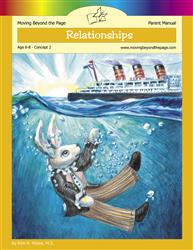
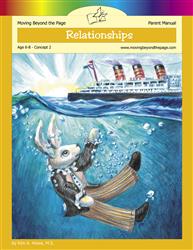
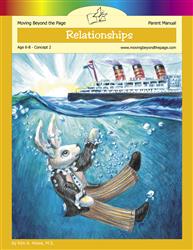
Students are asked to answer specific text-based questions after Chapters 1 and 2, including "How did Abilene feel about Edward? How do you know?", "How did Edward feel about himself?", "What incidents happened to Edward in Chapter 2?", and "What emotion did Edward experience at the end of Chapter 2?". Activity 2 prompts students to describe the relationship between Edward and Abilene and to answer "How do you feel about the stuffed animal?" and "Why is the stuffed animal important to you?", requiring explanation of key details and reasons. The wrapping-up prompts ask students to explain whether they think they will enjoy the book and why, further practicing answer-with-reason skills.
Lesson 2
Point of View
Students answer explicit WH questions in Reading and Questions (e.g., What was the name of the ship?; Why do you think Pellegrina wanted Edward to listen?). Students retell Pellegrina's tale and explain figurative language, demonstrating comprehension of key details. In Activity 1 students identify who is telling the story and describe how characters view one another (how/why), and in Activity 2 students compare characters using a Venn diagram to cite specific similarities and differences.
Lesson 3
The Queen Mary
Students read Chapters 5 and 6 of The Miraculous Journey of Edward Tulane and then answer specific comprehension questions that ask why (Question #1, #5), what (Question #2), and how/how felt (Questions #3 and #4). In Activity 2 students answer research questions about the Queen Mary that ask when and where it first sailed and where it is today. The Getting Started prompt asks students to recall and describe a personal boating experience, prompting them to respond to who/what/why-type prompts about their own experience.
Lesson 4
Pronouns
Students are asked to read Chapters 7–9 and answer explicit comprehension questions (e.g., What did Edward think about when he was lying on the bottom of the ocean? Whom did Edward feel had thrown him overboard? Who found Edward? How did the person find him?). Students are prompted to look at and discuss illustrations and to point out significant details that help them understand characters and the story. Students are asked to describe and compare Edward's relationships with Abilene versus Nellie and Lawrence, explaining how and why Edward has changed.
Lesson 5
Emotions
Students are asked to read Chapters 10–12 and answer explicit comprehension questions (e.g., "What two words did Edward's heart say…," "How and why is he different?," "Why did Edward disappoint Pellegrina?," "How did Edward feel…?"). Students are prompted to describe how Edward's relationships differ and to discuss quotes from the text to infer Edward's feelings and changes. The Skills section instructs students to read closely and cite specific textual evidence when speaking or writing, reinforcing asking and answering questions about key details.
Lesson 6
Irregular Verbs
Students read Chapters 13 and 14 of The Miraculous Journey of Edward Tulane and are asked to answer specific comprehension questions (e.g., "Did Edward like Bull and Lucy? How do you know?", "What did Bull call Edward? What did he dress him in?", "What did the hobos whisper in Edward's ear?", "What happened to Edward on the freight car?"). Students are asked to discuss repeated references to stars and to answer why stars might be an important symbol. The Getting Started section and Questions to Explore prompt students to discuss why relationships end and how relationships shape identity.
Lesson 7
Figurative Language
Students are asked and prompted to answer explicit who/what questions such as "What did the old lady use Edward for? What did she call him?" The lesson directs students to explain character feelings and causes by asking them to think about how Edward must feel and to discuss how he has lost relationships, providing practice with 'how' and cause/effect. Students are also asked opinion/why questions like "Do you think Bryce should have taken Edward down? Why or why not?"
Lesson 8
The Falling Star
Students are prompted to answer specific comprehension questions after reading Chapters 17–18, including "Who is Sarah Ruth?" and "What did Sarah Ruth name Edward?" and "What did Bryce make Edward do for Sarah? How did he do it?", which require locating key details in the text. The Introduction asks students to discuss whether Bryce's taking of Edward was right and to explain why or why not, prompting a why-style question and justification. The Getting Started questions invite exploration of how relationships shape people, encouraging students to connect details to broader character responses.
Lesson 9
Apostrophes
Students read Chapters 19–21 aloud and then answer targeted who/what/where/why/how questions (e.g., Where does Bryce take Edward? What was his plan? Who did Edward think he saw? What did Neal do and why?). Students participate in discussion prompts that ask why and how relationships change and how those changes affect characters' reactions. Students repeatedly identify key details from the text by responding to explicit comprehension questions and discussion prompts.
Lesson 10
Illustrations
Students read Chapters 22–24 and answer specific comprehension questions that ask what Edward dreamed (what), where he woke up (where), and why Bryce left Edward (why). Students use the "Explain an Illustration" page to record a quote and explicitly identify who, what, when, and where for a chosen illustration. Students retell the story using illustrations as a guide and answer a final prompt asking which family was their favorite and why.
Lesson 11
Building Sentences
Students read Chapters 25-27 and the Coda and answer explicit comprehension questions that ask who and what (e.g., QUESTION #2 asks what doll the dollmaker placed next to Edward; QUESTION #4 asks who came for Edward). Students answer how and why questions (e.g., QUESTION #3 asks how Edward's short relationship changed him and why it was hard for him to open his heart), and Activity 2 asks students to explain why the author placed a poem at the book's start and how it applies to Edward's journey. Students also describe relationships in simple sentences and place them on a timeline, demonstrating understanding of key details about characters and events.
Final Project
Chalkboard Presentation
Students are asked to identify and describe their opinion of the story and to dictate a sentence explaining why they feel that way (Slide 1). Students are asked to think about their favorite part of the story, choose an image to represent it, give it a title, and dictate a sentence explaining why they like that part (Slide 2). Students are asked to identify a favorite relationship (who), select an image for the person, and dictate a sentence that describes the relationship and why it is their favorite (Slide 3).
Unit 3: Connecting with the Past
Lesson 2
Colonization and the Revolution
Students are read the book Your Life as a Settler in Colonial America and then answer explicit comprehension questions that ask "When boys went to elementary school, what did most girls do?", "How were meals in the colonies different?", and "What job did most boys end up doing when they were grown?". Students are also asked "Who the first president of the United States was" after reading about George Washington and to add dates/labels to a timeline (identifying when events occurred). Several discussion prompts ask students to explain reasons and outcomes (e.g., why colonists fought and what we enjoy today because of the revolution).
Lesson 3
Slavery and the Civil War
Students are asked to answer questions about texts and media: they are prompted to "ask your child what he knows about Abraham Lincoln" and to explain Henry's character traits with evidence from Henry's Freedom Box. Students complete timeline entries for Harriet Tubman and Abraham Lincoln by finding the next date and adding a description and picture, demonstrating identification of when and what happened. Students locate the southern states on a map (where) and complete fill-in-the-blank pages about Harriet Tubman and Abraham Lincoln (who/what).
Lesson 4
Immigration
Students are prompted to answer explicit who/what/where/when/why/how questions during read-alouds (e.g., "Who was Annie Moore?", "What did the immigrants see?", "How does the book describe the living conditions?", "Why did the doctors check the immigrants?"). Day 2 questions continue this practice (e.g., "What happened if immigrants were sick?", "How did immigration change in the 1920s?"). Activity prompts require students to answer observational and inferential questions about photographs (e.g., "Where do you think he/she is from?", "What is he/she doing?", "What do you think he/she is thinking or feeling?") and to add dates to a timeline, addressing when events occurred.
Lesson 5
Civil Rights
Students read The Story of Ruby Bridges and answer targeted questions such as "How would you describe Ruby's family?" and "Why did white people stand outside the school…?" which require them to ask and answer who/what/how/why about key details. The wrap-up prompts students to explain the Civil Rights Movement and asks explicit questions: "Who was wanting change? Why were they wanting change? What did they do to make change?" Students also place dates and descriptions on a timeline, which asks them to attend to when events occurred.
Final Project
Preparing Projects
Students assemble and color a timeline and a "Famous Americans" book and are instructed to put pages in chronological order, which requires them to identify when people lived. Students are asked to practice presenting their "Connecting with the Past" poster and to explain how past events impact life today, which requires them to state reasons and connections. Family members are invited to read the book and look over the timeline while the child presents, providing an opportunity for oral explanation of content.
6: Reading

Unit 1: Semester 1
Lesson 1
Word Families and Long Vowel Review
After reading the short reader (Fun and Then Cake), students are asked specific comprehension questions such as "What did Jade do while Cash rode bikes with Dad?," "What color was the cake that Jade made with Mom?," and "What did Jade want to do after baking the cake?," which require students to answer key-detail questions about the text. During Shared Reading, students are also asked which words start with a capital letter and why, prompting them to answer a why-question about text conventions. Students are prompted to point to words as they read, then answer the instructor's questions aloud, demonstrating comprehension of explicit details in the passages.
Lesson 2
Vowel Teams Review
Students read the reader "A Thump on a Cold Night" independently and then answer comprehension questions such as "Who does the doe meet on the trail?" and "What do the animals eat at the feast?". Students also answer a causal question: "What causes the noise the animals hear?". Finally, students respond to a follow-up opinion question that asks "Do you like snow? Why or why not?", requiring them to give a reason.
Lesson 3
Complex Consonants Review
Students read "A Wild Day in the City" and are then asked explicit comprehension questions: "Who are the children in the story?" "What is wrong with the restaurant they visit?" "What is unusual about the pool?" and "What strange figures do the kids chase down the road?" The Shared Reading activity also has the child answer a riddle and read the text aloud while pointing to words, supporting identification of key details.
Lesson 4
R-Controlled Vowels Review
Students read the reader The Big Race and are asked explicit comprehension questions such as "At first, who did you think would win the race?", "When the girl in red is winning, what place is the girl in green in?", and "Who wins the race?". In Shared Reading and phonics activities students are asked and answer questions like "Which letter do you think I am talking about?" and "What sound does a make in 'chat'?' which require attending to key details in text. Students are prompted to point to words and read lines aloud, then answer questions about the text and its details.
Lesson 5
More R-Controlled Vowels
Students read the reader "All About Storms" on their own and then answer specific WH questions provided by the teacher/parent (e.g., "Why does it rain?," "What is hail?," "What might you see or hear during a thunderstorm?"). During shared and guided reading activities, students are prompted to point to words and respond to comprehension prompts after reading aloud. The lesson also asks an opinion question ("Do you like storms? Why or why not?") that requires students to explain reasoning.
Lesson 6
Other Vowel Sounds
Students read Reader #6 (If Fish Could Talk) independently and then answer explicit comprehension questions such as "Why does Meg go down to the brook?," "Why does the fish thank Meg?," and "What does the fish turn into? Why?" The lesson also prompts students to respond to a how-question ("How would you react if a fish talked to you?") and to discuss sentence meanings in Activity 5.2, requiring them to explain differences in meaning.
Lesson 7
More Long Vowel Spellings
Students read the reader 'A Snake in the Field' and then answer explicit comprehension questions: 'How many kids are in the Stripes family?' (eight), 'What scares Ned when he is out for a walk?' (a snake in the grass), 'How had Ned helped the owl in the past?' (Ned had cut a kite string), and 'What does the owl do with the snake?' (drops the snake in a lake). Students are also prompted to respond to a personal question about seeing a snake and their thoughts, which requires them to relate the text to their own experience.
Lesson 9
Complex Consonants: dge vs. ge
Students read pages of the reader Moose on the Loose and are asked specific who/what/why/how questions (e.g., "How did the moose escape the cage?", "Why do you think it is a problem that a moose is on the loose?", "How does Sam help the moose?", "What does Dr. Ward give the mom and baby?"). Students are asked to make predictions from the title and cover ("Ask your child what he thinks the story will be about… Ask him who he thinks the man in the picture is."). After reading, students answer comprehension questions and discuss events and motivations from the text.
Lesson 10
Complex Consonants: tch vs. ch, ck vs. k
During Day 4 pre-reading students are asked to predict and explain by answering: "What do you think will happen in this book?" and "What words do you think you'll find in this book? Why?" On Day 5 students read The Egg at the Lake and answer explicit comprehension questions such as "What snacks do Rick and Claire have...?", "What kind of egg does Rick think they've found?", "What comes out of the egg?", and "What do the kids do after building a fire?" The lesson also asks a location-related, reasoning question: "If you were going to the beach, what items would you bring? Why?"
Lesson 11
Final e: ce, ve, ze, se
Students read Aesop's Fables and are asked comprehension questions (Day 4 asks "What do you think will happen in this book?" and "The last line is the moral. What does it say? What do you think the moral means?"). On Day 5 students finish the reader and answer specific text-detail questions such as "In 'The Dog and His Bone,' how did the dog lose his bone?" and "In 'The Hare and the Turtle,' why do you think Hare took a nap?" During Shared Reading students also respond to and pose riddles and make predictions from the cover and first pages.
Lesson 12
Homophones
Students are asked comprehension questions after reading The Knight and the Night Ride (e.g., "Why do you think the people needed their king?" and "What food do you like as much as the king likes these pies?"). During shared reading and activities, students are asked to explain word meanings and answer questions such as "What do they mean?" for pear/pair and to explain in their own words what is special about homophone pairs. The wrapping-up prompt asks students to explain the difference between rhyming words and homophones.
Lesson 13
Making Plurals
Students read The Witches Go to the Beach (Day 4–5) and are asked explicit comprehension questions such as "What do you think will happen in this book?" and "What kinds of words do you think you'll find in this book?" After finishing the reader, students answer targeted WH questions: "What kinds of things do the witches enjoy doing?," "Why do the people cover their ears?," "What happens when the witches get to the beach?," and "Why don't the witches like the beach?". Students are prompted to read pages aloud and respond to these questions to demonstrate understanding of key details.
Lesson 14
Uncommon Plurals
Students read The Storm at the Barn and are asked specific comprehension questions such as "What do you think will happen in this book?" and "What do the children want to do at the barn?" Students answer why-related questions after reading, for example, "Why did the women and children need to bring the animals to the barn?" The Shared Reading and follow-up prompts also ask students to respond to questions like "Do you think they should do this? Why or why not?"
Lesson 15
Words Ending with ed and ing
During Day 5 (Activity 5.1), students read The Red-Eyed Tree Frog and answer targeted comprehension questions that ask how the frog scares away the snake and why the frog lays eggs on a leaf, requiring students to locate and explain key details. In the pre-reading step (Activity 4.2) students are asked predictive and text-focused questions (e.g., "What do you think will happen in this book?" and "What kinds of words do you think you'll find?") that prompt them to think about key details before reading. The lesson repeatedly directs students to read pages and then respond aloud to teacher-posed questions about the text.
Lesson 16
Words Ending with er and est
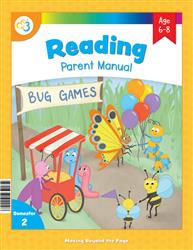
Students answer specific comprehension questions after reading the reader (e.g., "Which spider should win an award for being the messiest?", "Why aren't the worms hungry?", "What was your favorite bug game?", "If you could design a game for bugs, what would it be?"). During shared reading students stop to discuss questions posed in the text and are asked to make predictions about the book ("What do you think will happen in this book?", "What kinds of words do you think you'll find?"). Students are asked to point to words and read aloud while responding to discussion prompts that check understanding of the passage.
Unit 2: Semester 2
Lesson 1
Compound Words
The lesson directs students to read A Color of His Own and then answer a set of comprehension questions (e.g., "How is the chameleon different from the other animals?", "At the beginning of the story what did the chameleon do... Did it work?", "Why do you think the chameleon felt better staying with a friend?", "What is your favorite color?"). The Skills list explicitly includes "Ask and answer questions about key details in a text." The introduction also tells students to discuss what they're reading, encouraging verbal question-and-answer about the book.
Lesson 2
The Six Syllable Types
The Skills list explicitly includes "Ask and answer questions about key details in a text." During Day 3 students reread A Color of His Own and answer specific comprehension questions such as "What color is the pig?", "What color is the elephant?", and an open-response "Do you think it would be fun... Why?" Activity 4.2 asks students to identify which three seasons are named in the book and to find words in the text that illustrate different syllable types, requiring them to locate and answer questions about key textual details.
Lesson 3
Open and Closed Syllables
Students read pages of Mouse Soup and answer a set of explicit comprehension questions (QUESTION #1–#5) that ask how the story is fiction, why the weasel caught the mouse, what the mouse asked for, what problem the mouse had, and how the mouse solved it. In Activity 1.1 the child poses a riddle to the parent and searches for the riddle answer in the lesson conclusion, demonstrating practice asking and answering a question. Activity 4.2 asks students to find specific words in the text and to locate two two-syllable words whose first syllable is closed, which requires consulting the text for details.
Lesson 4
Syllables with R-Controlled Vowels
Students answer explicit comprehension questions after reading Mouse Soup (Q1–Q4), including questions about what animal was sent first, why the bird and mouse saw different things, and what kept the mouse awake. Students complete a plot diagram (Activity 3.1) by identifying the problem, sequence of events (rising action, climax, falling action), and the solution, and they retell stories using key details as listed in the Skills section. Several activities ask students to find and record specific details from the text (Activity 4.2 Finding Words in the Text) and to write the number of crickets that appear at each point in the story.
Lesson 5
Two-Syllable Words Ending in y
Students answer specific comprehension questions in the Reading and Questions section (e.g., Q1 asks why the policeman thought the woman was crying and why she was really crying; Q2 asks what the thornbush needed; Q3 asks what the weasel discovered). Day 3 Activity 3.1 asks students to explain how the old lady felt about her bush and roses (a how/feeling question) and discuss those feelings. Day 4 Activity 4.1 asks students to recall what ingredient was added after each story, requiring them to identify key details from the text.
Lesson 6
Possessives
Students read Chapters 1 and 2 and answer explicit comprehension questions such as "What did Penny find in Mrs. Goodwin's front yard?" and several "Why…" questions about Penny's actions. Students locate details in the text in Activity 4.2 (e.g., find the word "between" and answer what the marble is between) and match sentences to pictures in the Showing Possession activity, connecting written details to images. Students are also prompted to predict the story from the cover, giving practice in asking and answering questions about key details before reading.
Lesson 7
Contractions
Students finish reading Penny and Her Marble and are asked five explicit comprehension questions that require answering key-detail questions (e.g., Why do you think Penny's stomach was hurting?; Why did Penny not tell her parents?; What did Penny dream about?; Where did Penny take the marble?; What did Mrs. Goodwin do?). Students are also asked to think about how Penny felt before and after events (asking 'how' the character felt and acted) and to describe characters, settings, and major events in the story during the Before and After activity. The Finding Words and Reading And Questions sections require students to locate and cite specific details from the text (e.g., where contractions appear), reinforcing text-based retrieval.
Lesson 8
Two-Syllable Words with Silent e
Students are prompted to answer explicit WH-questions about Frog and Toad All Year (e.g., "What season was it in the story? How did you know?" and "Why did Toad hit a tree?"). Students identify who/what on the book cover by being asked what animals they see and read the title. Students give oral summaries and explain characters' feelings (e.g., explain how Frog and Toad felt about winter), which requires answering how/why questions using story details.
Lesson 9
Vowel Teams
Students read two Frog and Toad stories and then answer explicit comprehension questions listed in the Reading and Questions section (e.g., "What did you think Frog's dad meant...?," "Did Frog finally find spring...?," "What did Toad buy...?," "How did all the animals feel... and Why?"). Students are also asked to summarize the story "Ice Cream" (Activity 4.1) and to find and point to words and sentences in the text on the "Finding Words in the Text" page (Activity 4.2).
Lesson 10
Consonant Teams
The Reading and Questions section has explicit comprehension prompts (Q1–Q5) that ask students when the story takes place, what Frog and Toad decided to do, and why certain events happened, with one question prompting "How do you know?" to require text-based evidence. Activity 4.1 asks students to infer the season from pictures and to explain the clues they used, and Activity 3.1 asks students to describe how Frog and Toad act (character traits), which requires identifying who the characters are and details about their behavior. Shared reading directions also instruct students to point to words and discuss meanings, supporting answering questions about key details.
Lesson 11
Consonant + le Syllables
Students are asked to read pages 1–19 and answer explicit comprehension questions (e.g., Why was Alexander always being screamed at? What did Alexander find in Annie's room? How did Willy describe how everyone felt about him?). Students complete a "Making an Inference" activity that asks them to use specific information from the story to draw conclusions and write their inferences. Students use a Venn diagram to record similarities and differences between characters and a "Finding Words in the Text" task to locate and record page numbers for target words, requiring them to refer to key details in the text.
Lesson 12
Suffixes
Students read Alexander and the Wind-Up Mouse and answer explicit comprehension questions (Question #1-#4) that ask what, why, where, and how. Students complete a Story Elements activity that requires them to identify characters, setting, problem, solution, and beginning/middle/end. Additional prompts (Activity 4.1 and Day 4 Finding Words) ask students to explain why a character changed his mind and to locate and explain details in the text.
Lesson 13
Prefixes
Students read poems on pages 2-14 and answer explicit comprehension prompts in the "Reading And Questions" section (e.g., "Which poem was your favorite?", "Had you ever heard any of the poems...?") which requires them to recall and discuss text details. Students locate specific words and prefixes in the book using the "Finding Words in the Text" activity, checking off occurrences of words like "two," "remember," and identifying words that begin with prefixes. The lesson also asks a direct explanatory question, "How are poems different from stories?", prompting students to articulate differences based on text features.
Lesson 14
Words Starting with q or a
Students are asked comprehension questions after reading Part 2 of the Book of Poems and Verses (e.g., "What was your favorite poem? Why did you like it?") which prompts them to answer what and why about the text. They are asked how reading a poem aloud differs from reading silently, prompting a how response about reading processes. In the Days of the Week activity students identify yesterday/today/tomorrow, which has them answer when-related questions tied to the calendar context.
Lesson 15
Semester Review
Students are asked to tell which book was their favorite and explain why, which requires them to answer a "why" question about a text. Students are prompted to discuss unfamiliar word meanings in Activity 5.3, which involves answering questions about text vocabulary. In Activity 1.3, students are asked to explain what a phrase means ("Jane's cat") and to state what each contraction is short for, which requires answering meaning-focused questions.
Final Project
Write Your Own Story
Students are asked to think about and record characters and the setting on the Story Idea page and to jot beginning, middle, and end events. The Student Activity Page includes explicit boxes for Characters, Setting, Beginning, Middle, and End that students complete. Students read Semester 1 readers for inspiration and later read their finished book aloud to the family, indicating engagement with texts.