


Second Grade - ELA
1: Community

Unit 1: Communities Around the World
Lesson 1
Exploring a Community
Students listen to or attempt to read the story "The City Mouse and the Country Mouse" (Activity 2) and read it at least twice. Students answer targeted comprehension questions about characters, events, and the moral (e.g., differences between the mice, what happened in the city, which place is better). The Skills section explicitly lists "Listen and respond to stories read aloud" and "Read and comprehend fiction (LA)."
Lesson 3
Goods and Services
Students read the picture book If You Give a Pig a Pancake and are asked to read it a second time to decide for each situation whether it represents a good or a service. Students complete a two-column chart recording examples from the story, which requires locating and extracting information from the text. Students are asked to read aloud independently with fluency and comprehension and to write a sequenced story modeled on the book, reinforcing narrative understanding and text-based writing.
Lesson 9
Different Communities
Students are instructed to read about a chosen country in books or on the Internet and record information on a graphic organizer (Activity 1). The Skills list explicitly includes "Read and write simple poems" and "Read and comprehend fiction and non-fiction," and Activity 4 has students create an acrostic poem for the country. The Skills list also includes "Answer high-level questions about a text," indicating some comprehension tasks tied to reading.
Lesson 10
Communities Change
Students are asked to attempt to read The Little House and then listen as the story is read aloud, analyze pictures, and answer specific comprehension questions (e.g., What happened in the story? How did the land change?). The skills list explicitly includes listening and responding to stories read aloud, using prior knowledge to make meaning of text, retelling the order of events, summarizing events, and responding to open-ended questions. Multiple activities require students to write sentences about seasons, categorize resources found in the text, and place items from the story into appropriate community types, all of which ask students to comprehend and use information from the literature.

Unit 2: Citizenship
Lesson 1
A Good Citizen
Students read and respond to narrative texts: they read The Boy Who Cried Wolf and answer comprehension questions about characters, events, and morals. Students sequence and summarize story events in the Scene by Scene activities, describe important events and retell the story using words and illustrations from the wordless book Home. Students practice comprehension skills (setting a purpose for listening, recognizing how illustrations contribute, understanding story structure, answering higher-level questions) and receive scaffolded options (read-aloud, parent prompting, simplified vs. advanced activity pages).
Lesson 2
Decisions and Consequences
Students are asked to read Lilly's Purple Plastic Purse aloud and to listen when an adult reads it, then answer comprehension questions about liking the story, character traits, events, feelings, and actions. Students read examples of Lilly's actions and write corresponding consequences on an action/consequence chart, and play a matching game pairing actions with consequences. Activities require students to read text, respond in writing, and discuss character actions and plot events.
Lesson 4
Living in America
Students read the words to "The Star-Spangled Banner" and sing the song, with the student activity page providing the poem/lyrics and musical notation. Students read the Pledge of Allegiance and are asked to explain the meaning of each part, with parenthetical explanations provided on the activity page. Students answer comprehension-style questions about why the pledge exists and why certain national ideas (republic, liberty, justice) matter, and they hear a brief narrative about the poem's origin to provide context.

Unit 3: Plants and Animals
Lesson 1
Living and Nonliving
Students are asked to read Sylvester and the Magic Pebble aloud and then listen as an adult reads it, predict the story from pictures, and point out living and nonliving things in the illustrations. Students answer literal and inferential comprehension questions (e.g., Is Sylvester the donkey living? What did Sylvester learn?), and retell or dictate an original story and draw an accompanying picture to demonstrate understanding.
Lesson 6
Extinct and Endangered Species
Students are asked to read through and practice a scripted puppet show (Endangered Species Puppet Show Script) and then perform it for an audience, which requires reading and interpreting a dialogue. The lesson states students should "demonstrate familiarity with a variety of texts" and "answer high-level questions about a text," and it directs students to read different theories about why dinosaurs disappeared. Students also create their own short puppet-show scripts, dictating and recording at least two lines per character.
Lesson 7
Plants
Students read the narrative "Jack and the Beanstalk" (multiple pages) and respond to explicit comprehension questions about characters, setting, and plot. The Skills section lists "Demonstrate comprehension of text by answering questions and summarizing information" and "Describe main characters and setting," and activities ask students to identify who the characters were, where the story happened, what happened, and to evaluate Jack's decisions. Follow-up tasks ask students to draw and explain scenes, which require comprehension and visualization of the narrative.
Lesson 8
The Role of Plants
Students are read The Giving Tree and are prompted to identify the author and title and to make predictions before and during reading. Students answer explicit comprehension questions about characters and events and sequence five scenes by drawing, cutting, and ordering pictures. Students write a thank-you letter to the tree using either a scaffolded template or an open-ended prompt, and they summarize story details in that writing activity.
2: Matter and Movement

Unit 1: States of Matter
Lesson 4
Bartholomew and the Oobleck
Students listen to or read Bartholomew and the Oobleck and answer targeted comprehension questions about the king's motivations, character contrasts, cause/effect, and predictions. Students complete a Story Quilt organizer that requires naming characters and setting, listing three important events, identifying the problem and solution, and noting a favorite part. Students judge true/false statements based on the story and revise false statements to make them true, and they write an alternate ending to demonstrate understanding and synthesis of story elements.
Lesson 7
Exploring Solids and Liquids
Students read the story What's the Matter in Mr. Whiskers' Room? and are asked to write three sentences describing three things that happened, answer comprehension questions (favorite part, new learning, opinion of Mr. Whiskers), and reread specified page ranges when doing experiments. Students identify and classify objects mentioned in the story as solids, liquids, or gases and use information from the text to complete worksheets (Natural Resources, Solid Materials) and follow experiment procedures (Dancing Raisins) tied to specific pages. The lesson prompts students to make hypotheses, record results, and connect story information to life experiences.
Lesson 8
Our Bodies and Our World
Students read a short story twice (Activity 4) and answer comprehension questions identifying the main character, the problem, and the solution. The Skills list includes "Independently read aloud with fluency and comprehension" and "Explain what will happen next in a story," and the lesson asks students to circle solids/liquids/gases in the story and fill in blanks to complete story meaning. Students also plan and write their own short story (Activity 5) using a graphic organizer, with guidance and scaffolding suggested (read twice, assistance with spelling or dictation).

Unit 2: Earth
Lesson 1
Our Planet Earth
Students read the book You're Aboard Spaceship Earth with assistance and then locate examples of living things and examples of solids, liquids, and gases in the text and pictures (Activity 3). Students write three sentences summarizing what the book is about and answer follow-up questions about author intent and content (e.g., why the author calls Earth a "spaceship?" and how water is recycled). Students read a sample acrostic poem about Earth, discuss each line, and then write their own acrostic poem (Activity 5), addressing poetry comprehension and production. The directions explicitly allow providing assistance as needed, indicating scaffolding during reading.
Lesson 3
Digging Into Dirt
Students are asked to read pages 20–32 of You're Aboard Spaceship Earth and to read/listen to the short narrative about Jake sleepwalking. Students are prompted to listen critically, interpret, and evaluate (skill listed) and to read aloud independently with fluency and comprehension (skill listed). After hearing the Jake story, students analyze soil samples and then explain orally and write two to three sentences describing how they solved the case, demonstrating comprehension of the narrative.
Lesson 5
Rocks
Students identify the book's title, author, and illustrator and attempt to read Everybody Needs a Rock aloud before the adult reads it to them (Activity 6). Students analyze illustrations for details, answer comprehension questions about the story, and sequence the ten rules from the book by cutting them out and ordering them (Activities 6 and 7). Students summarize rules in their own sentences and write a short story about their rock (with dictation support if needed), demonstrating both comprehension and expressive response (Activities 7 and 9).
Lesson 6
Water, Water Everywhere
Students sing and follow along with the provided "Sing a Sea Song," exposing them to a poem-like text with verses and a chorus. Students are asked to reread pages 12–15 in You're Aboard Spaceship Earth, engaging with a multi-page text. Students write a short paragraph describing a newly discovered ocean creature, applying reading-related ideas to their own composition.
Final Project
Earth Exhibit
Students are asked to reread the book You're Aboard Spaceship Earth, which requires them to engage with a piece of extended text. Students create and display a poem or poster from a previous lesson, which involves producing or presenting poetry. Students write descriptions and directions on exhibit cards and complete activity pages, requiring them to read prompts and compose sentences about materials and how visitors should experience them.
Unit 3: Balance and Motion
Lesson 4
Force and Motion
Students are asked to read the book Move It! Motion, Forces and You aloud (Activity 1) and to use the table of contents to predict and locate topics. The Skills list explicitly includes "Read and comprehend both fiction and nonfiction text (LA)." Students also read through lists they create (Activity 7), answer questions about the text, and write a short paragraph or story describing their drawing (Activity 4).
3: Culture
Unit 1: Geography
Lesson 1
Using Maps and Globes
Students read The Armadillo from Amarillo aloud and are prompted to stop at unfamiliar words, reread sentences, and learn vocabulary definitions. Students answer specific comprehension questions about the story (Where was Armadillo at the beginning? What state did he live in? Where did the eagle take him? What did he learn?). Students also map Armadillo's journey and write a paragraph pretending to visit a Texas location, and the skills list explicitly includes "Answer questions about text read aloud (LA)".
Lesson 5
Habitats and Geography
The lesson's skills list explicitly includes "Read fiction, nonfiction, and poetry (LA)" and "Connect experiences and ideas with those presented by others and in text (LA)." Activity 3 provides a model poem about a lion that students read and then use to write their own poem using a template. Activities ask students to reread pages 14–21 of The Usborne Children's Picture Atlas and answer comprehension questions about habitats, showing practice with reading and discussing text.

Unit 2: People Around the World
Lesson 6
American Culture
Students encounter and perform several American songs presented with lyrics and simplified music (e.g., "When the Saints Go Marching In," "Yankee Doodle," "When Johnny Comes Marching Home"), which exposes them to poetic text. Students read short biographical passages on the "Leaders in America" cards and match each leader to his or her contribution, demonstrating brief reading of narrative/informational text. The skills list explicitly includes participating in rhymes, songs, conversations, and discussions, indicating students engage with rhythmic/poetic language.
Lesson 7
History of America
Students are asked to read the story Three Young Pilgrims aloud (Activity 3) and answer specific comprehension questions about life for the Pilgrims, reasons for migration, and interactions with Native Americans. The skills list explicitly includes "Read fiction, nonfiction, and poetry (LA)," and students read and record items on the "First Thanksgiving Foods" sheet (Activity 5). Students reread the story and create a Venn diagram comparing their life to a Pilgrim child's life and write about three ways American culture has changed (Activity 8), engaging in text-based comparison and written response.
Lesson 9
African Culture
Students are asked to read (or listen to) the book Africa Is Not a Country, predict from the title, and identify on their map the nations discussed as the book is read. After each half of the book, students answer targeted comprehension questions about clothing, activities, land, homes, animals, and foods, and are prompted to look closely at pictures for details. Students use information from the book to fill a Guidebook to Africa, record foods and tally family taste-test votes, and complete a Venn diagram to compare similarities and differences between themselves and children in the book.
Lesson 10
South American Culture
Students are asked to read Explore South America independently and then listen to it read aloud, and they answer comprehension questions about locations, animals, and comparisons between communities. Students listen to and role-play a narrated "Paddling Down the Amazon" sequence and then cut out and order events from that journey, practicing sequencing of a narrative. Students also retell what they learned (share what they would most like to see) and complete a guidebook entry, demonstrating comprehension and summarizing information from text.

Unit 3: Stories Around the World
Lesson 1
Fiction or Nonfiction
Students read two fiction storybooks and are asked to write the title and author, write a one-sentence description of each story, and explain whether they liked or disliked the story and why (including references to characters, events, plot, or setting). Students look through fifteen to twenty books to decide fiction versus nonfiction and use book covers and titles to categorize books on the "Is It Fiction or Nonfiction?" page. Students also practice ordering authors alphabetically and locating books in the fiction section at the library, reinforcing engagement with multiple literary texts.
Lesson 2
Character
Students are asked to read a story (Activity 1) and reread it to record what the main character thinks, says, and does (Activity 2), demonstrating literal and inferential comprehension of narrative. The Skills list explicitly includes "Read fiction, nonfiction, and poetry (LA)," and activities ask students to retell or tell short stories, draw based on a read description (Activity 4), and compare characters using a Venn diagram (Activity 5). Students also role-play a character and respond to scenarios, which requires understanding character motivations and events in a text.
Lesson 3
Story Setting
Students read and look through illustrations of multiple picture books and identify and describe the time and place of each story. Students sort books into setting categories and create a graph, answer comparative questions, and discuss how setting creates feelings or informs character. Students listen to a story without illustrations and draw the setting from text details, and students discuss cultural clues and geographical features that show setting.
Lesson 4
Plot
Students read multiple narrative texts (Jack and the Beanstalk, The Ugly Duckling, and suggested storybooks) and are asked to identify the problem, three or more events, and how the problem was solved. Students sequence events by cutting out illustrated scenes and putting them in order and fill in a "Writing Events in a Story" chart to summarize title, problem, three events, and solution. Students create and orally compose their own stories using a "Creating the Plot of a Story" graphic organizer and can reread texts as scaffolding when recalling events.
Lesson 5
Folktales and Fairy Tales
Students are asked to attempt reading stories aloud and to listen to read-alouds (e.g., Cinderella, Why Mosquitoes Buzz in People's Ears, Yeh-Shen). Students answer comprehension questions about characters, setting, problems, and lessons, retell or sequence events using sentence strips, and complete graphic organizers comparing cultural elements. The Skills list explicitly includes self-monitoring comprehension, questioning, retelling/summarizing, and analyzing characters, which students practice in the activities.
Lesson 6
Cinderella Stories Around the World
Students listen to and reread multiple folktales (Yeh-Shen, The Egyptian Cinderella, The Irish Cinderlad) and answer targeted comprehension questions about main character, character differences, and cultural details. Students retell stories, complete a Cinderella Elements Chart to identify story elements (hero/heroine, magical help, villain, proof of identity, royalty, resolution), and use a Venn diagram to compare similarities and differences across texts. Students describe and draw settings, locate countries on a map, and are prompted to use pictures and rereading as supports, with caregivers instructed to assist as needed.
Lesson 8
Myths and Legends
Students read the myth "How Rabbit Brought Fire to the People" and Paul Bunyan tall-tale text, then answer literal and inferential questions (e.g., Who had fire? Why did people want fire? In what ways is Paul Bunyan different from a real person?). Students retell and dramatize the Rabbit story using a provided script and create costumes/props, and they write down two true elements and two fictional elements from Paul Bunyan. Students also map Paul Bunyan's journey and discuss characters, setting, plot, and theme during the wrap-up.
Lesson 9
Poetry
Students read and listen to a collection of poems (A Child's Calendar) and answer specific comprehension questions (identify rhyming words, explain favorite month, relate pictures to their own life). Students fill in charts using examples from the poems and pictures to describe weather, clothing, homes, holidays, activities, and animals, inferring cultural information. Students recite and sing nursery rhymes in English and compare translated rhymes from other countries, and they count words and syllables in lines to analyze patterns and rhyme.
Final Project
A New Cinderella
Students are asked to attempt to read each question on the organizing sheet and to write responses in complete sentences, providing practice with reading and responding to text. Students hear an example Cinderella story read to them and are asked to reread their own finished books aloud to family and friends, giving oral reading and comprehension practice. Students are prompted to compare and contrast their version with other Cinderella stories, which engages them in identifying similarities and differences across texts.
4: Relationships
Unit 1: Living Things and Their Environment
Lesson 4
Seasons and Living Things
Students take turns reading pages of Sunshine Makes the Seasons or listen while an adult reads and then discuss the text using guided questions about day length, Earth's rotation, and tilt. Students listen to Bear Snores On read-aloud and then cut out and place the animals in the order they entered the cave, practicing sequencing of story events. Students answer directed comprehension questions and participate in discussions that require understanding narrative order and reasons for events (e.g., hibernation and migration).
Unit 2: The Miraculous Journey of Edward Tulane
Lesson 1
Relationships
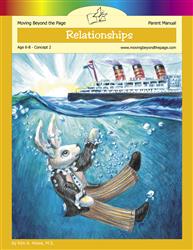
Students listen to Chapters 1 and 2 of The Miraculous Journey of Edward Tulane read aloud and answer specific comprehension questions (e.g., how Abilene felt, incidents in Chapter 2, and Edward's emotions). Students practice using sentence-level context to determine vocabulary meanings, select and write correct definitions, and then use those words in their own sentences. Students analyze the relationship between characters and produce three written sentences describing a stuffed animal's personality, linking character analysis to personal experience.
Lesson 2
Point of View
Students listen to Chapters 3 and 4 read aloud and answer literal and inferential questions (e.g., naming the ship, interpreting the hawk simile). Students retell Pellegrina's embedded tale and are asked what Edward could learn from it, addressing determination of central message/lesson. Students practice point of view by describing how Abilene, Edward, and other characters view each other and compare characters using a Venn diagram. The Skills list explicitly includes recounting stories, determining central messages, acknowledging differences in points of view, and demonstrating understanding of figurative language.
Lesson 3
The Queen Mary
Students read Chapters 5 and 6 of The Miraculous Journey of Edward Tulane aloud and answer specific comprehension questions about plot events, character feelings, and outcomes (e.g., why Abilene reacted, what the boys did to Edward, whether Edward drowned). Students practice vocabulary and nuance through the Shades of Meaning activity, substituting more descriptive verbs and adjectives to clarify meaning in story sentences. Students engage in scaffolded research and informational reading about the Queen Mary with prompts to use text features (bold print, headings) to locate key facts efficiently.
Lesson 4
Pronouns
Students are asked to have Chapters 7–9 of The Miraculous Journey of Edward Tulane read aloud and then answer specific comprehension questions about plot, character thoughts, and who found Edward. The Skills list and activities require students to describe how characters respond to major events and to use information from illustrations and words to demonstrate understanding of characters, setting, and plot. Students compare relationships (Edward with Abilene vs. Nellie and Lawrence), discuss changes in Edward's attitude, and complete written activities that require replacing nouns with pronouns in context, reinforcing comprehension of the text.
Lesson 5
Emotions
Students are asked to listen to Chapters 10–12 of The Miraculous Journey of Edward Tulane read aloud and then answer explicit comprehension questions (e.g., differences between relationships; how and why Edward is different). The lesson lists the skill 'Read closely to determine what the text says explicitly and to make logical inferences... cite specific textual evidence' and has students discuss quoted passages to infer Edward's feelings. Students write a 'Goodbye Note' in Edward's voice to show understanding of character emotions and changes.
Lesson 6
Irregular Verbs
Students read Chapters 13 and 14 of The Miraculous Journey of Edward Tulane aloud and answer specific comprehension questions about characters (e.g., Did Edward like Bull and Lucy?), events (e.g., What happened to Edward on the freight car?), and dialogue (e.g., What did the hobos whisper?). Students discuss recurring details and infer meaning by identifying stars as a symbol and answering thematic prompts such as why relationships end and how they shape a person. Students complete activities that require applying comprehension to vocabulary and grammar (irregular past-tense verbs) and produce written responses on a student activity page.
Lesson 7
Figurative Language
Students listen to Chapters 15 and 16 of The Miraculous Journey of Edward Tulane read aloud and answer specific comprehension questions about plot and character (e.g., what the old lady used Edward for, whether Bryce should have taken Edward down). Students discuss Edward's feelings and identify their favorite character and reasons, practicing inferencing about relationships and reactions. Students identify, explain, and create examples of figurative language by circling figurative phrases, interpreting their meanings, and composing their own figurative sentences or illustrations.
Lesson 8
The Falling Star
Students are instructed to read Chapters 17 and 18 of The Miraculous Journey of Edward Tulane aloud and then answer specific comprehension questions about characters and events. The lesson explicitly asks students to describe how characters respond to major events and challenges and provides targeted questions (e.g., Who is Sarah Ruth? What kind of relationship does Bryce have with his sister?). Students also engage in discussion of moral dilemmas related to character actions, promoting inferencing and comprehension of motivations.
Lesson 9
Apostrophes
Students are asked to read Chapters 19–21 of The Miraculous Journey of Edward Tulane aloud and then answer comprehension questions (e.g., where Bryce takes Edward, who Edward thought he saw, what Neal did and why). Students are prompted to discuss how Edward's relationships change and how those relationships shape him, which asks them to analyze character and theme. The parent note gives explicit scaffolding guidance (skip Chapter 19 for sensitive children and explain events) to support comprehension at the high end of the text.
Lesson 10
Illustrations
Students read Chapters 22–24 of The Miraculous Journey of Edward Tulane aloud and answer specific comprehension questions about vision, setting, and character actions. Students use information from illustrations to retell the story and complete activities that require identifying who, what, when, and where in a pictured scene. Students sequence environments in chronological order and explain why an illustration is a favorite, demonstrating attention to characters, setting, and plot.
Lesson 11
Building Sentences
Students read Chapters 25–27 and the Coda of The Miraculous Journey of Edward Tulane aloud and answer literal and inferential questions (e.g., naming who came for Edward, explaining how a relationship changed him). Students locate and copy a poem excerpt and explain how the poem connects to the novel, making thematic interpretations. Students create a Relationship Timeline and write sentences describing how each relationship changed Edward, and they predict the story ending before reading.
Final Project
Chalkboard Presentation
Students select a paragraph or two from the novel, practice reading them aloud (with help for pronunciation), and record the reading. Students create slides that state an opinion about the story and include sentences that explain why they feel that way. Students identify a favorite part and a favorite relationship from the story, choose images to represent them, and dictate explanatory sentences describing and supporting those choices.
Unit 3: Connecting with the Past
Lesson 2
Colonization and the Revolution
Students are asked to listen to and read a children's narrative (Your Life as a Settler in Colonial America) and answer specific comprehension questions about characters, daily life, and roles (e.g., what girls did, how meals differed, what boys became). Students sequence events by adding dates and labels to a timeline (Jamestown, Plymouth, Declaration of Independence, Washington) and explain causes/effects (why colonists fought for independence). Students also discuss quotes from the Declaration and summarize information from grade-level texts (O, Say Can You See?) and videos, and complete written activity pages that require short responses and drawings.
Lesson 3
Slavery and the Civil War
Students listen to and reread literary texts: pages 24–25 of Your Life as a Settler in Colonial America and a read-aloud video of the picture book Henry's Freedom Box. Students identify and write five character traits for Henry and explain each trait with evidence from the book, and they complete timeline and fill-in-the-blank activities based on the narratives about Harriet Tubman and Abraham Lincoln. Students also draw and write a response about the consequences of the Civil War, showing comprehension of story events and historical narratives.
Lesson 4
Immigration
Students listen as an adult reads pages of National Geographic Readers: Ellis Island aloud and answer specific comprehension questions about who, what, and why (e.g., Who was Annie Moore? What did immigrants see?). Students listen to recorded immigrant oral histories and retell stories, describe surprises, and identify favorite recordings. Students analyze and infer from photographs (imagining what a person is feeling, what they are doing, where they might be from), place events on a timeline, and draw/write to show connections to the past.
Lesson 5
Civil Rights
Students are instructed to read The Story of Ruby Bridges and then answer specific comprehension questions about characters, events, and feelings. Students discuss and explain the Civil Rights Movement in their own words, use timeline activities to place events, and complete writing/drawing pages (Famous Americans and Civil Rights) that require summarizing and explaining impact. Guided questions, possible answers, and leading prompts are provided to scaffold student comprehension and discussion.
6: Reading

Unit 1: Semester 1
Lesson 1
Word Families and Long Vowel Review
Students read aloud with a Shared Reading passage, pointing to words and answering questions about vowel sounds, rhymes, and capitalization. Students read an independent reader (Fun and Then Cake), point to each word as they read, and answer literal comprehension questions about plot details (what Jade did, cake color, what she wanted to do). The lesson also has explicit fluency and comprehension practice in the skills list (read with accuracy and fluency to support comprehension; read grade-level text with purpose and understanding) and guidance to use context to confirm or self-correct word recognition.
Lesson 2
Vowel Teams Review
Students read a short story "A Thump on a Cold Night" independently and then read it aloud, using sounding-out tips and pointing to words as they read. Students answer literal comprehension questions about the story's characters, events, and causes (e.g., who the doe meets, what the animals eat, what causes the noise) and respond to an opinion question about snow. The lesson's skills list and activities also have students practice reading with accuracy, appropriate rate, and expression to support comprehension.
Lesson 3
Complex Consonants Review
Students read a grade-level story ("A Wild Day in the City") on their own and then read it aloud to an adult, and they answer specific comprehension questions about characters, events, and plausibility. During Shared Reading students practice reading with prompting (sounding out words, pointing to words) and respond to riddles that require understanding of word meaning and sentence intent. Multiple activities (Sentence Scramble, Fill in the Blanks, and follow-up questions) require students to reconstruct and explain sentences and story details, supporting literal comprehension.
Lesson 5
More R-Controlled Vowels
Students read Reader #5 — All About Storms independently and then read it aloud, with encouragement to point to each word. Students answer explicit comprehension questions about the text (e.g., why it rains, what hail is, what might be seen or heard during a thunderstorm) and discuss personal reactions (Do you like storms?). Students manipulate two-syllable word parts from the Reader and combine them to form words, showing engagement with the story's vocabulary and structure.
Lesson 6
Other Vowel Sounds
Students are asked to read a short reader, If Fish Could Talk, on their own and then read it aloud to an adult, with prompts to point to words and discuss word meanings. The lesson includes explicit comprehension questions about plot and character (why Meg goes to the brook, why the fish thanks Meg, what the fish turns into and why). Activities direct students to use context to confirm or self-correct word recognition (Activity 3.3) and to practice reading aloud with accuracy and expression through shared and successive readings.
Lesson 7
More Long Vowel Spellings
Students read portions of a shared reading and independently read Reader #7 (A Snake in the Field), then read it aloud to an adult. Students answer specific comprehension questions about characters, events, and details (e.g., number of kids in the Stripes family, what scares Ned). The skills list and multiple activities require students to read grade-level text with purpose and understanding, practice oral reading for accuracy, rate, and expression, and use context to confirm or self-correct word recognition.
Lesson 8
Vowel Sounds Review
Students are asked to reread grade-level readers (A Thump on a Cold Night and If Fish Could Talk) and to read a reader of their choice aloud to a family member, providing practice with reading connected texts. Students complete Word Hunt activities that require them to find and write words from those readers organized by vowel sound, showing they read the texts to locate specific words. The lesson's skills list explicitly includes "Read grade-level text with purpose and understanding" and "Read with sufficient accuracy and fluency to support comprehension."
Lesson 9
Complex Consonants: dge vs. ge
Students are asked to read a short reader, Moose on the Loose, across two days (Activity 4.2 and Activity 5.1), to reread portions as needed, and to answer comprehension questions about plot, character actions, and predictions. The lesson prompts students to read aloud pages 2–6, finish the story, retell events, and discuss causes and consequences (e.g., how the moose escaped, how Sam helps). The skills list explicitly includes "Read grade-level text with purpose and understanding," "Read with sufficient accuracy and fluency to support comprehension," and "Use context to confirm or self-correct word recognition and understanding."
Lesson 10
Complex Consonants: tch vs. ch, ck vs. k
Students preview and make predictions about The Egg at the Lake (Day 4 pre-reading) and then read the story aloud and independently across Day 4–5, pointing to words as they read. Students answer specific comprehension questions about characters, events, and details (snacks, what comes out of the egg, actions after building a fire). The skills list and activities require students to read grade-level text with purpose and understanding, read orally with accuracy and expression, and use rereading and context to confirm word recognition.
Lesson 11
Final e: ce, ve, ze, se
Students preview and read Aesop's Fables (including "The Crow and the Vase") both during guided/shared reading and independently, pointing to words and sounding out as needed. Students read the reader aloud to an adult and answer literal and inferential questions about plot events (e.g., how the dog lost his bone, why Hare took a nap) and identify the moral of specific fables. Students practice oral reading with accuracy and expression and are asked to discuss favorite fables and explain or rephrase morals, showing comprehension of literary elements.
Lesson 12
Homophones
Students read aloud and independently from a reader (The Knight and the Night Ride) and answer comprehension questions about the story. Students practice reading with accuracy, appropriate rate, and expression through shared reading and repeated readings noted in the skills list. Students use the story to find and write homophones from the text, and they answer inferential and personal-response questions (e.g., Why do you think the people needed their king?).
Lesson 13
Making Plurals
Students read a story reader (The Witches Go to the Beach) aloud and silently, point to words, and sound out words as needed during shared reading. Students engage in pre-reading prediction (looking at the cover, flipping pages, predicting events and types of words) and then answer explicit comprehension questions about events, characters, and reasons after completing the story. The lesson repeatedly prompts students to read grade-level text with purpose and understanding and provides guided support and correction as they read and respond.
Lesson 14
Uncommon Plurals
Students read multiple short works aloud and silently: a rhymed shared-reading message and two readers (The Witches Go to the Beach and The Storm at the Barn). They answer comprehension and prediction questions (e.g., "What do you think will happen?", "Why did the women and children need to bring the animals to the barn?") and complete pre-reading and post-reading tasks. The lesson explicitly lists and has students practice skills such as "read grade-level text with purpose and understanding" and "read grade-level text orally with accuracy, appropriate rate, and expression on successive readings."
Lesson 15
Words Ending with ed and ing
Students preview and then read a short narrative (The Red-Eyed Tree Frog) on Day 4 and Day 5, reading pages on their own and aloud to an adult. Students answer comprehension questions about the story (how the frog scares the snake, why eggs are laid over water, and whether a frog would make a good pet) and make predictions about what will happen based on the cover and first pages. The lesson's Skills list also explicitly includes reading with accuracy and fluency to support comprehension and reading grade-level text with purpose and understanding.
Lesson 16
Words Ending with er and est
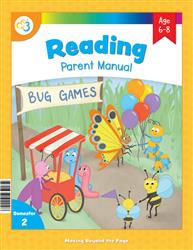
Students preview and read a narrative reader (Bug Game Day), first by flipping through pages and predicting and then by finishing the story on their own and reading it aloud to an adult. Students answer literal and inferential comprehension questions about the story (e.g., Which spider should win an award? Why aren't the worms hungry?). The lesson's skills list explicitly includes reading with sufficient accuracy and fluency to support comprehension and reading grade-level text with purpose and understanding.
Lesson 17
Semester Review
Students are asked to reread Reader #14: The Storm at the Barn either independently or aloud and to complete a Word Hunt that pulls plural words from that reader. Students are encouraged to reread favorite readers from Lessons 1–16 and to read early-reader books on their own or aloud to others. The Skills list explicitly includes "Read grade-level text with purpose and understanding" and "Read with sufficient accuracy and fluency to support comprehension," which frames student reading practice.
Unit 2: Semester 2
Lesson 1
Compound Words
Students read the book A Color of His Own aloud, with assistance as needed, and answer explicit comprehension questions about characters, events, and motivations (e.g., how the chameleon is different, what he did and whether it worked, why he felt better with a friend). Students locate and check off theme and sight words in the text, reread pages (e.g., the leaf pages), and perform text-based tasks such as finding compound words in the story. Students describe characters, settings, and major events in responses and practice using context to confirm or self-correct word recognition during these activities.
Lesson 2
The Six Syllable Types
Students reread the picture book A Color of His Own and answer literal and open-ended questions about characters, colors, and preferences (e.g., What color is the pig? Would you want to change color?). Students search the actual story text to find and check off target words, count occurrences, and answer a question about which seasons are named, using the book as evidence. Students label and color animals from the story, use the text for spelling, and practice asking and answering questions about key details.
Lesson 3
Open and Closed Syllables
Students read sections of the fiction book Mouse Soup (introductory section and the story "Bees and the Mud") and answer five specific comprehension questions about plot, character motivation, and problem/solution. Students reread targeted pages (e.g., pages 14, 17–20), perform a role-play activity by acting out the mouse's actions and voices, and switch roles to read aloud with expression. Students locate and mark vocabulary in the text (Finding Words in the Text activity) and complete comprehension tasks that require describing how the character responds to events.
Lesson 4
Syllables with R-Controlled Vowels
Students read two stories from Mouse Soup aloud (shared reading and independent reading sections) and answer literal and inferential comprehension questions about those stories. Students complete a plot diagram for "The Crickets," retell events by recording numbers of crickets, and practice personification by drawing faces and quoting stone dialogue. The skills list and activities require students to read with accuracy and fluency, retell stories including key details and central message, and describe characters, settings, and major events.
Lesson 5
Two-Syllable Words Ending in y
Students read the book Mouse Soup across multiple guided activities and shared reading opportunities, including finishing the story "The Thorn Bush." Students answer explicit comprehension questions about characters, events, and motivations (e.g., why the policeman thought the woman was crying, what the thornbush needed, what the weasel discovered). Students describe feelings and make connections (A Yellow Rose activity), identify story ingredients and sequence events (Mouse Soup Recipe), and locate words and two-syllable -y words in the text (Finding Words in the Text). The skills list and activities require students to read grade-level text with purpose and understanding, read orally with accuracy and expression, and use context to confirm understanding, with adult assistance as needed.
Lesson 6
Possessives
Students read Chapters 1 and 2 of Penny and Her Marble aloud and answer specific comprehension questions about plot details and character thinking. Students participate in shared reading with prompting to sound out words, practice reading grade-level text with accuracy and expression on successive readings, and perform sequencing and enactment activities that require comprehension of story events. Students complete a 'Finding Words in the Text' exercise that asks them to locate words and identify a noun that owns or possesses something in the text. The lesson materials explicitly list skills such as reading grade-level text with purpose and understanding and using scaffolding as needed.
Lesson 7
Contractions
Students read Penny and Her Marble (finish reading starting with Chapter 3) and answer explicit comprehension questions about events, feelings, and outcomes (e.g., why Penny's stomach was hurting; what she dreamed; where she took the marble). Students draw and write 'Before and After' pictures to describe how Penny's feelings and actions change and write three words for each state. Students identify and write the story's theme and respond to scenario prompts, and the lesson's skills list explicitly includes retelling, describing characters/settings/major events, and reading with purpose and understanding.
Lesson 8
Two-Syllable Words with Silent e
Students read the book Frog and Toad All Year (including the story 'Down the Hill') and answer comprehension questions about season, character actions, and motivations. Students reread the story and give an oral summary focusing on main characters, beginning, key events, and ending. Students compare how Frog and Toad feel about winter and complete text-based tasks (finding words in the story and recording page numbers) that require locating and understanding information in the literary text.
Lesson 9
Vowel Teams
Students read the stories "The Corner" and "Ice Cream" from Frog and Toad All Year and answer explicit comprehension questions about plot, characters, and meanings (e.g., whether Frog found spring, what happened to Toad). Students summarize a story (write a summary of "Ice Cream") and complete a "Just Around the Corner" writing task that asks them to connect text meaning to personal events. Students locate and count target words in the text, identify words/phrases that suggest feelings, and practice reading with accuracy and fluency through repeated oral and guided reading activities.
Lesson 10
Consonant Teams
Students read Frog and Toad All Year through shared and independent reading (shared reading, Day 4 finding words, Day 4 reading and questions). Students answer explicit comprehension questions about plot, setting, and character (six listed Q&A items) and practice describing character traits (Activity 3.1). Students practice oral reading, word-finding in the text, using illustrations to determine season, and apply syllable-division strategies to support word recognition and comprehension.
Lesson 11
Consonant + le Syllables
Students read pages 1–19 of Alexander and the Wind-Up Mouse aloud with adult support and answer explicit comprehension questions about plot and character (Questions #1–#4). Students locate specific words and page numbers in the text (Finding Words in the Text) and complete a Making an Inference activity that requires using story details as evidence. Students compare characters using a Venn diagram and practice decoding and fluency strategies while reading, with guided/shared reading and targeted vocabulary/sight-word instruction noted in the activities and skills list.
Lesson 12
Suffixes
Students finish reading Alexander and the Wind-Up Mouse through shared and independent reading, read passages aloud with prompting, and are asked to point to words, letters, and blends. Students answer comprehension questions about plot details, find and underline words in the text, and complete a story-elements flower to identify characters, setting, beginning/middle/end, problem, and solution. Students also retell or create a story using theme words and complete fill-in-the-blank and sequencing activities tied to the text.
Lesson 13
Prefixes
Students read aloud and follow along with poems on pages 2–14 of Book of Poems and Verses and listen to sung nursery rhymes, practicing oral reading with accuracy, rate, and expression. Students identify rhyming pairs, list words that suggest feelings or sensory detail, and describe how words and phrases supply rhythm and meaning in poems. Students locate specific words in the text (two, four, remember, evening) and answer comprehension questions about favorite poems and differences between poems and stories.
Lesson 14
Words Starting with q or a
Students read Part 2 of the Book of Poems and Verses aloud and respond to comprehension questions (favorite poem, differences between reading aloud and silently, and imagery for "The Land of Counterpane"). Students complete a "What Does It Mean?" activity using context clues to infer meanings of underlined words from the poem and then review answers with help. Students practice oral reading, fluency, and performance by reading poems aloud, listening to sung verses, memorizing and performing a song, and answering questions about imagery and meaning. The lesson's skills list explicitly includes identifying words or phrases in poems that suggest feelings or appeal to the senses and describing how words and phrases supply rhythm and meaning in a poem.
Lesson 15
Semester Review
Students choose and reread grade-level trade books (Mouse Soup; Frog and Toad All Year; Alexander and the Wind-Up Mouse), read aloud or in turns across multiple days, and finish the books. The skills list and activities require students to read grade-level text with purpose and understanding, read orally with accuracy/rate/expression, and use context to confirm or self-correct. The wrap-up asks students to state which book was their favorite and explain why, giving a brief comprehension/productive response.