


Second Grade - ELA
1: Community

Unit 1: Communities Around the World
Lesson 1
Exploring a Community
The Skills list includes "Listen and respond to stories read aloud (LA)." In Activity 2 an adult reads "The City Mouse and the Country Mouse" aloud at least twice and then asks the child specific comprehension questions (e.g., How were the City Mouse and the Country Mouse different? What happened to the Country Mouse?). The Introduction and several activities prompt the child to answer spoken questions about communities (e.g., "Ask your child what a community is. Ask him to describe his community.").
Lesson 2
Roles of People in Communities
The lesson repeatedly prompts the adult to ask the child to name and describe community workers (Getting Started and Wrapping Up), and students are asked to respond to those prompts. Activity 4 directs students to "discuss the worker's role in detail" and to role-play scenarios, which requires listening and responding in spoken exchanges. Activity 3 has students look through books or the Internet and discuss jobs found in other communities, encouraging verbal discussion about content they observe.
Lesson 3
Goods and Services
Students listen to a read-aloud of If You Give a Pig a Pancake and decide for each situation whether the pig is asking for goods or services. Students answer oral prompts and worksheet items labeling pictures as goods or services, describing a time they have used them, and saying where they can be found. Students respond to parent prompts during Wrapping Up and Life Application by naming goods in the home and stating where those goods were bought or what services were paid for.
Lesson 5
Money
The lesson repeatedly directs an adult to ask the child questions (e.g., "Ask your child how people get money," "Ask her what people do with the money they have," and the Wrapping Up prompts asking the child to tell coin values and why people need money). The opening "Questions to Explore" invites discussion topics (responsibilities and needs), and several activities require the child to explain values, decide price tags, and tell coin equivalencies aloud. These prompts require the child to listen to an adult speaker and answer questions to show comprehension.
Lesson 6
Uses of Money
The lesson includes multiple prompts where students are asked to answer questions aloud (e.g., Introduction: "Ask your child where people get money," Activity 1: ask what it means to be a hard worker and which job the child would choose, Activity 2: ask where the child would like to go on vacation and what to buy, Activity 3: read scenarios and ask the child what he would do). Students are also asked to explain wants and needs and to describe how people satisfy them during the Wrapping Up questions. Several activities require students to explain choices and reasons in writing (Activity 4) and to identify parts of sentences, which involves responding to prompts about their explanations.
Lesson 9
Different Communities
Students are prompted to discuss pictures and to name and describe holidays and a chosen country, which requires answering oral questions (Introduction and Wrapping Up). The Life Application instructs students to find someone from the researched country and write down five questions to ask that person, which engages students in preparing questions to gather additional information. Several activities (e.g., discussing Hungry Planet images, the wrap-up discussion) involve students responding verbally about what they learned.
Lesson 10
Communities Change
The Skills list includes "Listen and respond to stories read aloud" and "Respond to open-ended question about a text," which require students to answer spoken questions. Activity 1 has the adult read The Little House aloud and then ask the child specific comprehension questions (e.g., "What happened in the story?", "How did the land change over years?", "Which picture is most similar to your community?"). Several activities prompt students to discuss and answer questions about what was read and about community changes (e.g., "Ask your child if he can think of any important events that have happened in the past").
Lesson 12
Rules and Laws
Students are prompted to answer oral questions about safety, rules, and preferences in the Introduction and Activity 2 (e.g., "What was different about the game?", "Is the game better with rules or without rules?"). Students read situations aloud and discuss consequences in Activity 3, and students may gather additional information by researching laws in Option 2. Students also complete written tasks that require answering and explaining (e.g., identifying rules vs. laws and writing consequences).
Final Project
Community Brochure
The lesson repeatedly instructs an adult to ask the child questions (e.g., "Ask your child to describe some things she has learned about communities," "Ask your child if she can remember any services…," and two pre-project questions: "How can you help people to learn more about your community? What is important about your community?"). The wrapping-up prompts tell the adult to ask the child what she likes most about her brochure and how she could make it better, and to let her share the brochure with family and friends. The brochure organizer and sharing task require the child to respond verbally about community features and explain choices for content and pictures.

Unit 2: Citizenship
Lesson 1
A Good Citizen
Students listen to text read aloud (e.g., The Boy Who Cried Wolf, the wordless book Home) and are asked specific comprehension questions after listening (Activity 2: "Why did the boy lie?" etc.; Day 2: multiple questions about Home). The Skills list explicitly includes "Set a purpose for listening to text read aloud" and "Answer high-level questions about a text," and several activities prompt students to share personal experiences and answer questions about what they heard. Students also organize and describe story events (Scene by Scene) and respond to prompts that require discussing and explaining story elements aloud or in writing.
Lesson 2
Decisions and Consequences
Students are asked to explain the idea of cause and effect and to give their own examples, prompting spoken explanation and clarification. During the read-aloud of Lilly's Purple Plastic Purse, students listen to a speaker and then answer multiple comprehension questions (e.g., "What did Lilly do at the beginning of the story?" "Why did Lilly feel bad?"). In Activity 3, students read examples of Lilly's actions and write the resulting consequences, which requires them to interpret spoken or written events and respond.
Lesson 3
Diversity in the Community
In Activity 4 students are asked to think of and write five questions to use in an interview with a community member who came to America, and to practice writing question marks and using who/what/when/where/why/how starters. Students conduct and/or record the interview while an adult takes notes, then review what they learned and write short answers for each question based on what the person said. The activity asks students to create questions that will get more information than a yes/no answer, emphasizing open-ended questioning.
Lesson 4
Living in America
Students are asked comprehension questions after hearing the Pledge of Allegiance (e.g., "Why do you think we have a pledge?"; "Why should America be free and fair for all people?"), requiring them to answer about what was said. Students are prompted to answer questions about the flag (e.g., where they have seen it, identify the ABAB stripe pattern, count stars by fives) and to respond to teacher prompts about shapes and sizes on the flag. Students are asked to recite and sing the Pledge and the national anthem and to answer follow-up questions about their meanings and significance.
Lesson 5
Citizens Share and Help
Students are prompted to discuss their drawings and explain how sharing helps the community (Activity 1) and are asked questions during the wrapping up section about what it means for citizens to share and help. In Activity 2 students are instructed to ask one to three people to help with a project, which involves formulating and directing questions or requests to others. Activity 3 has students read sentences aloud, providing opportunities to listen and respond to spoken language.
Lesson 6
Leaders in the Community
Students are asked to listen carefully to an adult read a biography and then answer specific oral comprehension questions (e.g., name and birthplace, events from childhood, hardships, leader characteristics, and how the person helped the community). The lesson begins by asking the child to name leaders and ends by asking the child what it means to be a leader and to talk about a time when he was a leader, prompting oral responses. Several activities require students to respond in writing or orally about the biography (fill-in templates, paragraph about a leader, and sentences describing how each person is a leader), which require answering prompts about what they heard or read.
Lesson 7
Inventors
The lesson asks an adult to read a short biography and then asks the child specific questions (e.g., "How would you describe the inventor? What was the inventor's most famous invention? What was something interesting that happened?"), which requires students to answer questions about what was said. The introduction and wrapping-up prompts ask the child to respond to questions about inventions and how inventions change communities, producing opportunities for students to answer speaker-provided questions. Activities (e.g., the scavenger hunt and Famous Inventors discussion) instruct students to discuss and describe how inventions help people, which has students respond to spoken prompts and evaluate information they heard or observed.

Unit 3: Plants and Animals
Lesson 1
Living and Nonliving
Students are prompted to answer oral questions in the Introduction (e.g., "Ask your child what it means for something to be living") and in Activity 4 where a caregiver reads Sylvester and then asks comprehension questions (e.g., "Is Sylvester the donkey living? How do you know?" and "What did Sylvester learn in the end?"). The Skills list explicitly includes "Ask and answer questions about organisms (S)." Activity 3 has students describe items aloud to family members so others can guess from listening, which involves oral exchange about spoken descriptions.
Lesson 2
Animal Structure
The lesson's Skills list explicitly includes "Ask and answer questions about organisms (S)." Multiple activities ask the child to respond to oral prompts (e.g., the parent asks the child to describe animals and how designs help them, to answer questions about the completed graph, and to describe how body parts help animals in the wrap-up). Activities also instruct the adult to discuss unfamiliar animals and ask the child to think of words, animals, and examples, which requires the child to answer spoken questions.
Lesson 3
Classifying Animals
The Skills list explicitly includes "Ask and answer questions about organisms (S)." Activity 10 has students impersonate animals while peers or adults ask and answer specific questions (e.g., "Are you warm or cold-blooded?", "What is one of your body parts?"), and roles may be switched so the child asks questions. Activity 3 and Activity 6 ask students to research and discuss animal traits, prompting them to look for information and discuss differences with an adult or peer.
Lesson 4
Animal and Plant Communities
The lesson's skills list explicitly includes "Ask and answer questions about organisms," and the introduction prompts the child to respond when asked for examples of habitats. Multiple activities require the child to answer oral prompts (e.g., act like an animal and be guessed, identify missing items in the forest, and answer questions about which animal types are most or fewest on the graph). Activity directions repeatedly instruct a caregiver to ask the child questions and to have the child record or discuss answers.
Lesson 6
Extinct and Endangered Species
Students perform a scripted puppet dialogue in Activity 3 where characters ask and answer questions (for example, Panda asks Alligator what he is doing and Alligator asks Elephant if he has food). In Wrapping Up an adult is instructed to ask the child what endangered and extinct mean and to ask reasons why animals can no longer live in their habitats, and the child is expected to answer. In Activity 1 (charades) students take turns acting and guessing, which requires students to respond to a speaker/performer and infer meaning from the other's actions.
Lesson 7
Plants
Students are prompted to answer oral comprehension questions throughout (Introduction asks why people and animals need plants; Activity 3 asks who the characters were, where the story happened, what happened, and opinion questions about Jack). Students explain and predict during the plant experiment (Activity 6) and are asked to compare results and discuss whether their predictions were correct. Activity 8 has students listen to spoken directions and respond through role-play, and Activity 1 has students label parts of a plant while discussing functions aloud.
Lesson 8
The Role of Plants
The read-aloud of The Giving Tree prompts the child to identify the author and title and to predict what will happen during the story. The adult is directed to ask the child questions during and after reading (e.g., Who are the two characters? What did the tree give the boy? Do you think the boy was nice to the tree? Why or why not?). Activities require the child to answer these comprehension and reflection questions aloud or in writing.
Lesson 9
Comparing Living Things
Multiple prompts ask the child to respond to spoken questions and to discuss ideas with an adult (e.g., "Ask your child if he can think of ways that animals and humans are alike," "Discuss what your child learned about the animal," and "Ask him to compare himself to the animal using a Venn diagram"). Activities direct the child to answer prompts aloud or in writing (e.g., complete sentences such as "Plants and animals need __________," and "Write three sentences about how plants, animals, and humans are the same and different"). The Wrapping Up and Introduction sections instruct the adult to ask the child to describe similarities and differences, which requires the child to answer and explain verbally.
Lesson 11
Community Members Depend on One Another
The lesson includes multiple prompts for oral exchange: the Introduction instructs an adult to ask the child if he eats vegetables and meat, and Activities prompt discussion (Activity 2: "Discuss that within habitats, animals and plants depend on one another"; Activity 4: "Discuss what the animal eats..."). The Wrapping Up directs the adult to ask the child to give an example of a food chain and how animals depend on plants and other animals. Activity 1 also allows the child to read about an animal if he is "not sure," which can lead to question-and-answer interaction.
2: Matter and Movement

Unit 1: States of Matter
Lesson 1
What Is the World Made Of?
Students listen to the book read aloud and participate in stop-and-discuss prompts with questions such as 'What is the world made of?' and 'What are the three states of matter?'. During activities students are asked to explain their reasoning (for example, labeling balloons as solid/liquid/gas and writing a sentence about each) and to propose problems and solutions (for example, thinking of issues for the scavenger hunt and how to contain liquids). The Skills section explicitly lists 'Listen responsively to stories and other text read aloud.'
Lesson 3
Liquids
The lesson includes a read-aloud step: an adult reads pages 12-13 of What Is the World Made Of? and then asks the child to describe what a liquid is, which requires the child to answer questions about what the speaker said. Multiple activities instruct the adult to ask the child questions about observations and predictions (e.g., asking how liquids are similar or different, asking which solids will dissolve, and asking measurement reflection questions). Several prompts require the child to respond verbally or in writing to questions about procedures and results (e.g., ordering liquids lightest to heaviest, explaining differences between solids and liquids).
Lesson 4
Bartholomew and the Oobleck
Students listen to Bartholomew and the Oobleck read aloud and answer specific comprehension questions (e.g., "How would you describe the king?" and "How did Bartholomew stop the oobleck?"). Students complete oral and written tasks that check understanding, such as naming precipitation and deciding solid/liquid, answering True/False statements about the story, and filling a Story Quilt to list characters, three important events, the problem, and the solution. The skills list explicitly includes listening responsively to stories and other text read aloud.
Lesson 5
Comparing Matter
Students are asked verbally to stand up and respond to the molecule demonstration, labeling pictures of solids, liquids, and gases and drawing molecule arrangements. Students are asked which model represents a solid, liquid, or gas and to explain how they made those selections, requiring them to answer questions and give reasoning. Students are asked at the end to explain how the molecules in solids, liquids, and gases are different, prompting spoken responses for comprehension.
Lesson 6
Changes in States of Matter
Students are repeatedly prompted to answer questions posed by an adult about observations (e.g., Activity 1 asks the child to identify ice, water, and steam and to explain what causes changes; Activity 3 and the Melting Rates Graph ask the child to measure, record, and answer which solid melted fastest/slowest). In Activities 5–8 students read directions, describe states of matter, write sentences about changes (Activity 7) and answer follow-up questions about height/weight differences (Activity 6). The wrap-up asks the child to state causes of changes and give examples, requiring verbal responses to clarify understanding.
Lesson 7
Exploring Solids and Liquids
The lesson repeatedly prompts students to answer and elaborate on spoken questions (Skills: "Respond and elaborate in answering what, when, where, and how questions"). Activity 1 lists multiple oral comprehension questions after reading the book (e.g., "What do you think is most interesting...?," "Which part of the book was your favorite? Why?"). Several activities ask students to discuss observations and record verbal responses (e.g., explaining whether cake batter is a solid or liquid, predicting and reporting results in the Dancing Raisins experiment).
Lesson 8
Our Bodies and Our World
Students are asked to answer spoken questions about content in multiple places: the introduction asks the child "what the definition of matter is," and Activity 4 instructs the adult to ask the child specific comprehension questions after the story (e.g., who was the main character, what was the problem, how was it solved). The Wrapping Up section asks the child to share scenarios and describe solids, liquids, and gases in her own body, prompting verbal responses. Several activities require the child to read aloud and then respond (answer) to prompts about the text or diagrams.

Unit 2: Earth
Lesson 1
Our Planet Earth
The lesson repeatedly directs an adult to ask the child specific questions and to have the child answer them (Activity 1 map questions, Activity 2 questions about spheres and exploration, Activity 3 comprehension questions after the child reads You're Aboard Spaceship Earth, and the Wrapping Up prompt asking the child to explain what he learned). Several activities require the child to respond verbally about locations, concepts, and explanations (e.g., naming oceans and continents, explaining why Earth is called a spaceship, describing water recycling). The "Questions to Explore" and the listed question prompts guide interactive Q&A between the adult and child.
Lesson 2
Matter on the Planet
The text includes multiple prompts where an adult asks the child questions and the child answers (e.g., asking the child to name examples of solids, liquids, and gases; asking if the air we breathe is a solid, liquid, or gas and where oxygen comes from). The child is asked to describe observations and explain how they know air is present (e.g., feeling breath, watching chest expand, blowing up a paper bag). The activities require verbal responses during demonstrations and discussions (e.g., describing adjectives for objects and answering where objects belong on continua).
Lesson 3
Digging Into Dirt
Students listen to read-alouds (pages 20–32 of You're Aboard Spaceship Earth and the Jake sleepwalking story) and are asked oral questions about what they heard. Students examine soil samples, discuss how the samples are similar and different, and are asked to explain and write two or three sentences describing how they solved the soil/coin mystery. The lesson's skills list names listening critically, interpreting, and evaluating, which aligns with students answering questions after listening.
Lesson 4
From the Earth
The lesson repeatedly prompts oral discussion where an adult asks the child to name natural resources and explain how they are used (e.g., "Ask your child where her food and clothes come from," "Ask your child if she can think of examples of resources"). Activities instruct students to discuss resources, describe uses, and take turns pointing out objects and describing the Earth resources they come from (the "Where Did It Come From?" game). Several activities require students to verbally describe and explain items (e.g., labeling pictures and describing how items meet needs), which requires answering spoken prompts.
Lesson 5
Rocks
The lesson has the child listen to an adult read Everybody Needs a Rock and then answer multiple comprehension questions (e.g., "What was this story about?", "Which rules do you think are most important...?"). The child is asked to analyze illustrations and look for pictures in the rocks while listening, and to reread the story and sequence the rules (cutting and ordering the rules in Activity 7). Throughout the lesson the adult prompts the child with questions about rocks (e.g., asking what he knows about rocks, where they are found, and what they are used for), which requires the child to respond to spoken prompts.
Lesson 6
Water, Water Everywhere
Students are regularly asked to respond to oral prompts (e.g., "Ask your child to name the different bodies of water," "Ask your child what a wave is" and "Ask your child what she enjoyed most"). Students listen to read-aloud pages ("Reread pages 12-15") and then are asked to think and write about uses of water and answer follow-up questions on activity pages. Students complete oral and written Q&A tasks throughout activities (e.g., describing discoveries from wave experiments, answering graph questions, and writing sentences about freshwater vs. ocean).
Lesson 7
Taking Care of the Earth
Students are prompted to respond to spoken questions in several places (e.g., "Ask your child to give examples...", Activity 6 asks "what she thinks happens" and to record her answer). In Making Paper students read directions aloud and are prompted to "ask her if she has any questions," which gives students a chance to ask clarifying questions about spoken instructions. Activity 7 and the Air Pollution sheet prompt oral discussion where students answer questions and share ideas with family about preventing pollution.
Final Project
Earth Exhibit
Students are asked to spend time at a museum to "look at individual exhibits and how people discover and learn important information from them" and to "point out and discuss different designs for the exhibits," which requires conversational exchange. The project directs students to invite friends and family to view their display and to write "directions" on cards for visitors, implying spoken interaction. The wrap-up asks the child to answer the question "what he learned about Earth materials" and to describe why materials are important to living things, which requires answering an adult's question aloud.
Unit 3: Balance and Motion
Lesson 1
What Is Balance?
Students are asked to listen to a read-aloud of What Is a Balance Scale? and then answer specific questions about the book (Activity 1). Students are prompted to respond to oral questions about units of measure and to discuss similarities and differences between balances and scales (Activities 3 and 7). Students read their written directions aloud and have a family member follow them, which requires oral explanation and may prompt listener response (Activity 9).
Lesson 3
Symmetry
The Life Application activity asks the child to play "I Spy a Symmetrical Figure," where the child asks yes/no questions (e.g., "Is it small? Is it green?") to identify a figure and takes turns spying figures, which requires both asking and answering questions. The Wrapping Up section directs the child to explain what symmetry means and name different lines of symmetry, prompting the child to answer questions and verbally clarify understanding. Several activities (e.g., creating a symmetrical picture and describing it in three sentences) require oral description and turn-taking that involve responding to a listener and asking/answering about the work.
Lesson 4
Force and Motion
The lesson has the child read the book aloud and then answer direct comprehension questions (e.g., "What is the difference between a push and pull?," "What does motion mean?"). Activities ask the child to respond in writing or orally (circle push/pull images, write sentences about pictures, list actions seen on a walk). The child is prompted to make a hypothesis for experiments and to explain demonstrations (e.g., explain whether movement was by pushing or pulling).
Lesson 5
Gravity
The skills list includes "Listen responsively to stories and other text read aloud" and "Discuss unfamiliar vocabulary after listening to text," indicating listening and discussion activities. Multiple prompts ask the child to answer questions posed aloud (e.g., why she could not stay in the air; why an object on the table does not fall; true/false items after reading Forces Make Things Move). The wrapping-up prompt asks the child to explain what gravity is, and Activity 1 has the child read or listen and then decide true/false, requiring comprehension responses.
Lesson 6
Friction
The lesson repeatedly prompts an adult to ask the child questions (e.g., "Ask your child why the car stopped," "Ask him to decide the order" for the skating activity, and "Ask your child to explain what friction is"), and students are instructed to give explanations and examples of friction. Several activities require students to respond verbally or in writing about observations (e.g., compare results of the friction experiment and decide which surface created the most friction). The wrapping up prompts ask the student to demonstrate and explain friction, which requires the student to answer questions about spoken prompts.
3: Culture
Unit 1: Geography
Lesson 1
Using Maps and Globes
The Skills list explicitly includes "Answer questions about text read aloud (LA)." Activity 1 instructs the child to stop and ask (or indicate) when he finds a word he does not understand, have the sentence reread, and hear an explanation of the word. After the read-aloud, the child is asked specific comprehension questions (e.g., Where was Armadillo at the beginning? What did Armadillo learn on his journey?). The introduction and other activities prompt the child to respond to oral questions (e.g., "Ask your child how he would describe where he lives").
Lesson 2
Cardinal Directions
Students are prompted to answer spoken questions throughout (e.g., they are asked to describe the direction of the door, to explain whether right/left words work on a map, and to answer the four compass questions on the Treasure Map activity page). Students follow and respond to oral directions in Activities 2 and 3 (e.g., taking steps north/east/west when given verbal commands). Students are asked to point to and describe why north/south/east/west work for sailors and why those terms are better for maps than forward/backward/left/right.
Lesson 3
Landforms and Bodies of Water
Multiple activities prompt an adult to ask the child questions and the child to respond: Activity 2 asks the child to name bodies of water and to answer "what it would be like to live near water," and to explain which body of water she would choose and why. The Life Near the Water pages ask the child to match positives/negatives and complete sentences about living near specific bodies of water, requiring verbal responses and explanations. Wrapping Up directs the adult to ask the child to name different landforms and bodies of water, prompting short-answer oral responses.
Lesson 4
Natural Resources
Students are prompted to respond aloud in the Introduction when asked what the shown objects have in common and where each is found. The Researching Resources activity instructs an adult to read information aloud and asks the child to answer questions on the research sheet. Several activities (Activity 5 and Wrapping Up) ask the child to talk about how resources are used and to describe ways he uses natural resources, which requires listening to prompts and giving spoken answers.
Lesson 5
Habitats and Geography
Students are prompted to respond orally when an adult asks them to describe different animal habitats and how those habitats would affect people's lives. In Activity 1, students answer a set of explicit questions (e.g., which habitat they would most/least enjoy, differences between North Pole and rainforest). The Wrapping Up section directs students to describe habitats and discuss how habitats help meet the needs of animals, plants, and people, providing multiple opportunities to answer spoken questions.
Lesson 7
The Seven Continents
Students are prompted to answer spoken questions such as naming the continent they live on and responding to targeted questions (e.g., Which continent has the Sahara Desert? Which continent is the smallest?). Activity 1 directs students to point to continents on the map to answer oral questions and to look back in the book if they do not remember. Activity 4 asks students to respond orally and by pointing when the teacher asks about the equator and which parts of continents are warm or cool, and Activity 2 has students choose and identify animals from each continent aloud.
Lesson 8
People Change Geography
The lesson repeatedly instructs an adult to ask the child questions (e.g., "Ask your child if he can think of any ways that he influences the geography…"; "Ask him which house produced the most trash, which house produced the least trash, and why."). Students are directed to answer these questions during neighborhood observations and the trash-weight activity. Students also research farms in books or on the Internet and write sentences, which involves gathering additional information about the topic.

Unit 2: People Around the World
Lesson 1
Exploring Culture
Activity 4 (Interview) directs students to find and interview a person from a different cultural background, allowing them to use provided questions or make up their own questions, record or take notes, and then fill in answers on the interview sheet. The Wrapping Up questions ask students to compare and contrast their culture with the interviewee's and to answer guided questions about similarities, differences, and what they would enjoy, prompting students to respond to information the speaker provided. Activity 1 also has students answer questions after reading about culture, which practices answering questions based on a speaker/text.
Lesson 2
Traditions
Students are prompted to answer questions about traditions and holidays (e.g., naming holidays, describing how Christmas is celebrated in other countries, and answering the set of questions after reading Christmas Around the World). Students discuss the significance of Chinese New Year foods and explain meanings when they serve the food to family. Students respond to prompts and complete tasks that require answering questions and explaining ideas (e.g., Holiday Math word problems, "My Favorite Holiday" writing with prompted questions, and the Celebrating Christmas sentence and Venn diagram activities).
Lesson 4
Homes and Culture
Multiple prompts ask the child to answer questions aloud and in writing (e.g., "Ask your child what a home is," "Ask your child why homes are important," and the writing prompts on "A Tradition in My Home"). Activities require students to explain purposes of rooms and name natural resources (Activity 4 and Activity 2), which has students respond to adults and provide explanations. Several worksheets ask students to write or draw responses, demonstrating answering and explaining what they know about homes, materials, and traditions.
Lesson 5
Transportation in Culture
Students engage in spoken interaction through role-play (Activity 3) where a child pretends to be a driver and answers the passenger's prompts and guesses. The Getting Started and Wrapping Up sections instruct an adult to ask the child to act out transportation and to describe types of transportation and how they are used in different cultures. The Life Application asks the child where he wants the vehicle to take him and has him respond, and several activities prompt students to talk about jobs and locations.
Lesson 6
American Culture
The lesson's Skills list includes "Participate in rhymes, songs, conversations, and discussions (LA)," and multiple activities prompt the child to respond to oral questions (e.g., asking the child to describe what a personal symbol means, to explain which leaders' contributions were most important and why, and to answer questions about life in cultural neighborhoods). The Wrapping Up and Activity prompts repeatedly instruct an adult to "ask your child" questions and ask the child to explain different aspects of American culture.
Lesson 7
History of America
The Skills list asks students to "participate in ... conversations and discussions" and to "discuss and explain how, why, and what if questions in sharing narrative and expository texts," which implies discussion and question-and-answer activity. Activity 3 has students answer a set of explicit comprehension questions after an adult reads Three Young Pilgrims (e.g., "What was life like for the pilgrims?" "Why did the Pilgrims leave England?"). Wrapping-up prompts and activities (Activity 4, Activity 8) ask students to explain differences, make lists, and describe changes, requiring students to answer and discuss topical questions.
Lesson 8
Asian Culture
Students are prompted to answer comprehension and discussion questions after listening to or reading Explore Asia (e.g., "What types of habitats can be found in Asia? Which habitat do you think is most interesting? Why?"). The skills list explicitly includes "Listen critically, interpret, and evaluate" and "Respond and elaborate in answering what, when, and how questions (LA)." Several activities ask students to discuss topics (e.g., endangered pandas, differences between Asia and America) and to talk with people from the continents about their culture.
Lesson 9
African Culture
Students are asked to respond to specific comprehension and discussion prompts after an adult reads Africa Is Not a Country (e.g., "What types of clothing do the people wear?", "How are the children's lives in Africa similar to yours?"). Students listen to pages and then locate nations on their map and record similarities and differences on a Venn diagram, using words and pictures from the text. Students explain and describe games (materials, rules, strategies) and present/play their created games, and they record and tally family members' reactions during the food taste test.
Lesson 10
South American Culture
Students listen to an adult read Explore South America aloud and then answer comprehension questions (Activity 1: named recall of Andes, Amazon; comparative questions). The teacher/parent asks probing questions during the weather simulation and Amazon journey (Activity 2 and 3) that require the child to respond and explain observations. Students present information aloud about a chosen South American animal to family (Activity 6) and participate in wrap-up discussions comparing life in South America to other places.

Unit 3: Stories Around the World
Lesson 2
Character
Students answer adult prompts about characters (e.g., "Ask your child who his favorite characters in books are" and follow-up questions about similarities). In Activity 4 an adult reads a character description aloud multiple times and students draw and then tell a story based on what they heard, requiring listening and responding to a speaker. In Activity 5 adults give scenarios and ask students to respond in-character, which has students answer questions prompted orally.
Lesson 3
Story Setting
Students are asked to listen as an adult reads picture books aloud (Activity 4) and then draw and describe the setting, using words from the story. Students answer explicit questions about settings and culture (Activity 3), such as identifying geographical features, foods, and cultural clues, and they respond to teacher prompts after graphing their books (Activity 1). Students describe feelings and details from illustrations and provide specific examples from text when prompted.
Lesson 4
Plot
The lesson has an adult read stories aloud and directs students to identify the problem, three or more events, and the solution from the spoken text. Students are asked to retell Jack and the Beanstalk, sequence events from the story, fill in a 'Writing Events in a Story' chart after listening, and tell and read back a story they dictate. The activities require students to answer oral questions about what was said and to summarize and clarify story events orally.
Lesson 5
Folktales and Fairy Tales
Students are prompted to listen to stories read aloud and answer specific comprehension questions (Activity 1: Who were the characters? What is the setting? What was the problem?). Students are asked to attempt to read the story aloud and then respond to follow-up questions and to complete written question sheets (Yeh-Shen activity page with five directed questions). The Skills list explicitly includes responding and elaborating by answering what, when, where, why, and how questions and discussing responses to how, why, and what if questions.
Lesson 6
Cinderella Stories Around the World
Students are prompted to listen to stories and retell what they remember, and adults are instructed to ask specific comprehension questions (e.g., "Who is the main character?", "Describe her at the beginning of the story."). Students are asked to "listen carefully, and when he hears something that is very different, ask him to share it with you," and to respond to prompts comparing stories using a Venn diagram and the Cinderella Elements Chart. Students also answer culture- and setting-related questions after locating countries on a map.
Lesson 7
Theme
The parent or teacher reads stories and then asks the child to describe main characters, major events, and the theme (Activity 1). In Activity 2, the child listens to fables read aloud and is asked to explain the lesson/theme in her own words and to say how she could use the lesson in her life. Activity 4 prompts the child to discuss a chosen fable's theme in detail and to dictate and read aloud an original story with the same theme.
Lesson 8
Myths and Legends
Students answer teacher prompts after hearing the myth "How Rabbit Brought Fire to the People," including questions such as "Who had fire at the beginning of the story?" and "Why do you think the people wanted fire?" Students participate in paired reading and performance of a script where they read dialogue aloud with a partner and give the performance to an audience. During the Paul Bunyan and other story discussions, students respond to questions about character traits, believable vs. fictional events, and reasons for preferences.
Lesson 9
Poetry
Students listen to A Child's Calendar and answer prompted comprehension questions (e.g., identify rhyming words, name the favorite month and explain why). Students fill "Life in America" charts using examples from the poems and answer guided questions about activities, clothing, homes, and what a reader could learn about American culture. Students respond to nursery rhymes and state what they learned about other cultures, and they count words and syllables and discuss patterns in the poems.
4: Relationships
Unit 1: Living Things and Their Environment
Lesson 1
Relationships Among Organisms
Students are prompted to listen and respond when an adult asks questions (e.g., "Ask your child if he looks like your family members" and "Ask if he ever wondered why he looks like one family member and not another"). Students watch videos with text read aloud and then complete vocabulary and matching activities, requiring them to answer questions about what they heard. Students participate in guided discussions and oral responses throughout activities (e.g., describing differences in "One of These Things," listing shared traits, and answering questions about dream dog comparisons).
Lesson 2
Heredity Lab
The Skills section instructs students to "Ask questions about organisms, objects, and events during observations and investigations," and activities repeatedly prompt oral discussion (e.g., "Discuss the traits," "Discuss how the generations differ and why"). Activity 4 requires the child to use each spelling word orally in a sentence, which results in students answering spoken prompts. The wrap-up asks the child to explain what she has learned, so students respond to spoken questions from the adult.
Lesson 3
Sun, Moon, and Stars
Students are asked to listen as the teacher reads Does the Sun Sleep? aloud and then answer a set of specific comprehension questions (Day 2 Reading and Questions). The text instructs the adult to "check to see if your child has any questions about the video" after Activity 5 and similarly prompts "Ask your child if he knows why certain parts of the Earth are cold and others are warm." Students are also asked to explain orally in the Wrapping Up section why we have day and night and how the Moon appears to change.
Lesson 4
Seasons and Living Things
Students listen to Sunshine Makes the Seasons read aloud and answer four specific content questions (e.g., Are winter days shorter or longer? How long does it take the Earth to rotate? Is the axis tilted? When is it summer in the North Pole?). Parents are instructed to ask the child to name the four seasons, discuss the book, and ask the child to talk about examples of hibernation and migration shown in videos. Students also sequence animals from the Bear Snores On read-aloud activity, demonstrating listening comprehension and responding to speaker content.
Lesson 5
Rivers
Students listen to an adult read Life Cycles: River aloud and then answer specific comprehension questions (e.g., differences between ponds and rivers, interesting life cycles, unfamiliar animals). Adults prompt students with questions throughout (e.g., "Ask your child what he knows about river habitats," "Ask your child what most of the water on Earth is") and ask students to list producers and consumers from the book. Students also discuss freshwater concepts after watching a video and complete labeling and classification tasks that require using information presented by the speaker/text.
Final Project
Investigating the Environment
Students are prompted to discuss observations with a parent (e.g., the prompt to "Discuss how the light and temperature might impact the living things in the habitat" and to "Ask your child how the habitat might be different during the day than it is at night"), so students answer spoken questions about their observations. Students explain their investigation ideas aloud to an adult when asked to "explain her ideas to you and ask her to pick two ideas." Students share and explain their finished project with family, which creates an opportunity for spoken explanation and response.
Unit 2: The Miraculous Journey of Edward Tulane
Lesson 1
Relationships
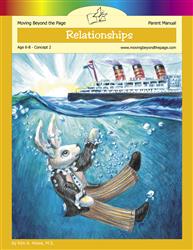
Students listen as the teacher/parent reads Chapters 1 and 2 aloud and then are asked to answer four specific comprehension questions about what was said (e.g., how Abilene felt about Edward; what incidents happened). In the vocabulary activity, students hear sentences read aloud and are asked orally to choose which definition fits the spoken sentence, then revise their choice after hearing the sentence with a definition substituted. Activity 2 prompts students to respond verbally about their relationship with a stuffed animal and to answer questions about feelings and imagined behavior.
Lesson 2
Point of View
Students listen as Chapters 3 and 4 are read aloud and then answer four explicit comprehension questions (e.g., identifying the ship name, interpreting a simile, retelling Pellegrina's story, and explaining why Pellegrina told the story). Students are prompted to discuss point of view by answering who is telling the story and how Abilene and Edward view each other, and they are asked whether they enjoyed Pellegrina's story and why. The wrapping-up prompt asks students to retell Pellegrina's tale in their own words and state what Edward could learn from it.
Lesson 3
The Queen Mary
The lesson directs an adult to ask the child to recall and describe a personal boat experience and to read Chapters 5–6 aloud and then have the child answer five comprehension questions about what was heard. The provided Question list (Q1–Q5) asks the child to explain characters' actions and feelings (e.g., why Abilene didn't let others hold Edward, how Abilene felt when Edward went overboard). The Queen Mary Research activity has the child explore sources and fill in answers, which requires responding to information presented in texts or a read-aloud video.
Lesson 4
Pronouns
Students listen as Chapters 7–9 are read aloud and then answer specific comprehension questions (e.g., what Edward thought, who found him). Students discuss illustrations and are asked to point out significant details to demonstrate understanding. During activities, students respond to teacher/parent prompts (e.g., explain why Nellie called Edward a "she," tell what a noun is) and complete pronoun replacement sentences after hearing them read aloud.
Lesson 5
Emotions
Students listen as Chapters 10–12 are read aloud and then answer five specific comprehension questions (Question #1–#5) about what was said. Students are prompted to discuss quotes from the story about Edward's feelings and to explain why Edward feels differently with Nellie and Lawrence, which asks them to deepen understanding of the speaker's words. The activity also directs students to describe relationships and to write a "Goodbye Note" in Edward's voice, requiring them to infer and articulate emotional content from spoken/read passages.
Lesson 6
Irregular Verbs
Students listen to an adult read Chapters 13 and 14 aloud and then answer explicit comprehension questions (e.g., Did Edward like Bull and Lucy? What did the hobos whisper?). Students discuss and answer a question about why stars might be an important symbol, which asks them to deepen understanding of the topic. Students respond orally to prompts such as producing sentences with regular and irregular past-tense verbs during the wrap-up.
Lesson 7
Figurative Language
Students listen to Chapters 15 and 16 read aloud and are asked specific comprehension questions (e.g., "What did the old lady use Edward for? What did she call him?" and whether Bryce should have taken Edward down). The Introduction directs students to discuss how Edward feels and to say who their favorite character is and why. The figurative language activity prompts students to interpret speaker/author phrases by answering "What does this really mean?" for multiple quotes.
Lesson 8
The Falling Star
Students listen as Chapters 17 and 18 are read aloud and then answer a series of comprehension questions (e.g., "Who is Sarah Ruth?", "What kind of relationship does Bryce have with his sister?", "What did Sarah Ruth name Edward?"). Students engage in oral discussion when prompted to discuss whether Bryce did the right thing and to explain their reasoning. Students also respond to guided questions about Edward's wish, providing opportunities to answer questions about a speaker's content.
Lesson 9
Apostrophes
Students listen to Chapters 19–21 read aloud and then answer specific comprehension questions (QUESTION #1–#3) about where Bryce takes Edward, who Edward thought he saw, and what Neal did to Edward. Students are prompted to discuss how Edward's relationship with Sarah Ruth differs from his relationship with Abilene and to explain what they believe changed Edward. The wrapping up section asks students to name contractions, which involves answering teacher prompts aloud.
Lesson 10
Illustrations
Students listen to Chapters 22–24 read aloud and are then asked to answer four specific comprehension questions about what they heard (e.g., "What vision did Edward have when he was broken?" and "Where was Edward when he woke up?"). The lesson also directs an adult to ask the child to describe a personal experience (something that broke) and to briefly describe environments Edward experiences in chronological order, prompting spoken responses and retelling using illustrations as a guide.
Unit 3: Connecting with the Past
Lesson 1
Studying History
The lesson repeatedly directs an adult to "Ask your child" questions (e.g., "Ask your child what he knows about American history," "Ask your child how we learn about the past") and has a Wrapping Up prompt to "Ask your child to explain the difference between primary and secondary sources." Activity 3 has the student watch two videos about timelines, which involves listening to spoken explanations. Several activities require students to respond verbally or in writing about what they heard or were asked (e.g., discussing how we learn about the past, explaining primary vs. secondary sources).
Lesson 2
Colonization and the Revolution
Students are read to (Read aloud to your child the book Your Life as a Settler in Colonial America) and then asked explicit comprehension questions (QUESTION #1–#3) that require them to answer what they heard. The lesson repeatedly prompts discussion (e.g., "Discuss with your child...", "Ask your child who the first president...", and "Ask your child to list two things...") in response to spoken or read information. Students are also asked to explain meanings of Declaration of Independence quotes and to respond after watching videos about colonial topics.
Lesson 4
Immigration
Students listen to recorded immigrant interviews and are asked to describe what surprised them, name a favorite recording, and retell one of the stories, showing practice in responding to a speaker. During the read-aloud of Ellis Island, students answer specific comprehension questions (e.g., Who was Annie Moore? What did immigrants see?) about what was read aloud. In Activity 2 students answer a series of questions about a photograph and are asked to identify whether an interview is a primary source, requiring them to respond to information presented by speakers and sources.
Lesson 5
Civil Rights
Students listen to a read-aloud of The Story of Ruby Bridges and then answer a set of teacher-provided comprehension questions (e.g., "How would you describe Ruby's family?" and "Why did white people stand outside the school with signs and yell at Ruby?"). Students watch videos about Martin Luther King, Jr. and Rosa Parks and are prompted to discuss those videos with an adult. The wrap-up asks students to explain the Civil Rights Movement in their own words and respond to teacher-led, clarifying questions such as "Who was wanting change? Why were they wanting change?"
6: Reading

Unit 1: Semester 1
Lesson 1
Word Families and Long Vowel Review
During Shared Reading the adult is instructed to pose comprehension and decoding questions (e.g., "What vowel sound does the word 'read' have?"; "Which word in the message rhymes with 'sun'?") and the child is prompted to answer. The Reader #1 activity asks the child to read aloud and then answer story comprehension questions (e.g., "What did Jade do while Cash rode bikes with Dad?"). The 'Teaching Your Child to Sound Out Words' guidance has the adult ask the child clarifying phonics questions (e.g., "What's the first sound? What's the last sound?") while the child practices answering to confirm understanding.
Lesson 2
Vowel Teams Review
Students are asked to answer oral comprehension and clarifying questions throughout the lesson (for example, the Shared Reading follow-up: "What vowel sound do 'bake,' 'rain,' 'break,' and 'play' make?" and rhyming questions). In multiple activities the adult prompts the child to respond about what a speaker/read-aloud said or showed (e.g., after the Reader #2 story: "Who does the doe meet on the trail?" and "What causes the noise the animals hear?"). Teachers/parents repeatedly ask students to point, read aloud, and answer questions about vowel patterns and word placements after hearing or reading words aloud (for example, plate-sorting prompts and long-vowel spelling questions).
Lesson 3
Complex Consonants Review
Students listen to an adult read during Shared Reading and then answer questions about punctuation and meaning (Activity 1.1). Students pose a riddle aloud to the adult and expect an answer (Activity 1.1), and students answer explicit comprehension questions after reading Reader #3 (Activity 5.2). Several activities ask students to explain pronunciations or word meanings in their own words (Activity 3.1, Day 4 silent-starts unscramble), requiring verbal responses about what was heard or read.
Lesson 4
R-Controlled Vowels Review
Students answer teacher prompts during shared reading (e.g., identifying the letter described in the riddle) and respond to spoken prompts about vowel sounds (e.g., "What sound does a make in 'chat'?' and "What word have I spelled now?"). Students answer comprehension questions after reading The Big Race (e.g., who wins the race, what place a character is in). Students also read words aloud when prompted and show/point to words during activities, demonstrating listening-to-a-speaker and answering tasks.
Lesson 5
More R-Controlled Vowels
Students are asked to answer spoken comprehension questions after reading All About Storms (e.g., "Why does it rain?", "What is hail?", "What might you see or hear during a thunderstorm?"). Throughout the lesson students respond to oral prompts about words and sounds (e.g., "What do all of these words have in common? What letters do they all have?", "Which words have the long e sound?", "Which two words sound exactly the same?"). Activities also require students to listen and point or point to words when the teacher says them (Activity 4.3: teacher says a word and student points to it).
Lesson 7
More Long Vowel Spellings
Students read and respond to oral riddles in the Shared Reading activity (the child asks a riddle to the parent and the parent asks a riddle to the child). Students answer teacher-posed comprehension questions after reading the reader (e.g., "How many kids are in the Stripes family?", "What scares Ned?"). Students are prompted to answer personal-response questions aloud ("Have you ever seen a snake? What do you think of snakes?").
Lesson 9
Complex Consonants: dge vs. ge
Students listen to a read-aloud and a short instructional video and are prompted to respond to spoken information (e.g., they are asked, "What sound does the letter g make in these words and how do you know?" and "Where is the /j/ sound in the word 'stage?'"). After reading Moose on the Loose, students are asked comprehension questions about what was said/happened (e.g., "How did the moose escape the cage?" and "Why do you think it is a problem that a moose is on the loose?"). During sorting and discussion activities, students are asked to explain observations aloud (e.g., "What do you notice about the words that have dge?" and "What type of sound does dge come right after?").
Lesson 10
Complex Consonants: tch vs. ch, ck vs. k
Students are prompted to answer teacher questions and explain their thinking (Activity 1.2: they point to tch/ch columns, state why words belong there, and refer to vowel sounds). The lesson asks students to respond to prediction and comprehension questions about a reader (Day 4 pre-reading: "What do you think will happen...?" Day 5: specific comprehension questions about snacks, egg, baby snake, etc.). Students also respond to spoken prompts when selecting correct endings for words (Activity 4.1: point to the correct ending when a word is said) and explain spelling choices (Day 3: explain rules about ck, ke, k).
Lesson 11
Final e: ce, ve, ze, se
Students read aloud and answer specific comprehension questions about Aesop's Fables (e.g., "What was your favorite fable? Why?" and questions about the morals and plot of stories). Students take turns asking and answering riddles during Shared Reading (the child reads a riddle to the parent and the parent explains the riddle answer). Students read words aloud in activities (Word Hunt, Word Match, Word Search) and then show or read their findings to an adult, engaging in brief question-and-answer interaction about words they located.
Lesson 12
Homophones
Students participate in a shared reading dialogue where the adult asks, "Is that right? What do they mean? Now I'll pass it to you," and the child explains meanings (Activity 1.1). Multiple activities ask students to read aloud and then answer comprehension and discussion prompts (e.g., explain what is special about homophone pairs, discuss word meanings during sorting and pairing, and answer questions after Reader #12 such as "Why do you think the people needed their king?"). In Activity 5.2 and other tasks students read words aloud and describe meanings when matching or playing memory, demonstrating answering and clarifying comprehension through oral responses.
Lesson 13
Making Plurals
Students are asked and prompted to answer oral questions during shared reading (e.g., identifying differences between "dime" and "dimes," which word rhymes with "stitch," and syllable counts for "puppies"). Students respond orally to comprehension and prediction questions about The Witches Go to the Beach (e.g., What do you think will happen? What kinds of words will you find? What happens when the witches get to the beach?). Students explain rules aloud (e.g., saying when to add s or es, naming column titles like "one" and "many") and read words and sentences aloud while the adult asks follow-up items about singular/plural forms.
Lesson 14
Uncommon Plurals
Students are asked and required to answer comprehension and prediction questions about texts (e.g., Shared Reading questions such as "What are the rules you've already learned…," pre-reading questions like "What do you think will happen in this book?," and post-reading questions about The Storm at the Barn). Students respond orally to targeted prompts about plural forms (e.g., "Why does this word need es at the end?" and identifying singular/plural pairs aloud during sorting and matching activities). Several activities ask students to read aloud and then answer questions about what they read, practicing speaking and answering about a speaker/text.
Lesson 15
Words Ending with ed and ing
Students are asked to answer oral questions after shared reading (Activity 1.1) such as "What is something that you did last week?... What are you doing right now?... What do you hope to be doing tomorrow?" In Activity 1.2 and Day 2 the teacher reads sentences aloud and asks students to identify when the action is taking place (past, present, future) and to place sentences accordingly. In Day 5 students answer comprehension questions about The Red-Eyed Tree Frog (e.g., how the frog scares the snake; why eggs are laid over water).
Lesson 16
Words Ending with er and est
Students are asked to stop and discuss questions during the shared reading (Activity 1.1) and to answer comprehension questions after reading Bug Game Day (Activity 5.2). Students respond to teacher-posed questions during hands-on comparing activities (Activity 1.2) and pre-reading prediction questions (Day 4/Activity 4.2). Students also pose and answer riddles (Parent and Child riddles in Activity 1.1), which requires them to respond to a speaker's question aloud.
Lesson 17
Semester Review
Students are asked to read aloud in multiple activities (e.g., reading sight word cards in Activity 1.1, reading words created from the Magic Hat in Activity 2.1, rereading Reader #14 in Activity 2.2, and reading sentences aloud in Activity 3.2 and 5.1). Adults are prompted to ask students questions about their reading (for example, "Did you come up with all of these words?" and prompts to identify nonsense words and replace them with real words). Activities also prompt students to respond to teacher questions about conventions (Activity 5.2 asks students to answer what a sentence begins with and what punctuation can end a sentence) and to share their thoughts in Wrapping Up (questions about what they like and find hard).
Unit 2: Semester 2
Lesson 1
Compound Words
The lesson includes a Reading and Questions section where an adult asks four explicit comprehension questions about A Color of His Own and the child answers them (e.g., "How is the chameleon different...", "At the beginning... did it work?"). Shared Reading directs the parent to read riddles aloud and have the child guess answers, and then the child reads a riddle aloud for the parent to guess, providing practice in listening and responding. The introduction and several activities instruct to "encourage your child to discuss what he's reading" and to "answer the questions about the book," indicating students will practice responding to spoken prompts.
Lesson 2
The Six Syllable Types
Students are asked to answer questions after rereading A Color of His Own (Day 3), with specific comprehension questions provided (e.g., asking about colors of animals and whether it would be fun to change colors). The Skills list explicitly includes "Ask and answer questions about key details in a text," and shared reading sections model oral question-and-answer exchanges between parent and child (for example, the rainbow dialog where the child asks about a pot of gold). Several activities require oral responses (reading aloud, answering which vowel sound, clapping syllables) that involve listening and responding to spoken prompts.
Lesson 3
Open and Closed Syllables
Students are prompted to answer oral questions throughout the lesson: during Shared Reading the child guesses riddle answers and reads the Child riddle aloud for the parent to answer. Students are asked to explain how they divided syllables and which rule (Tiger, Camel, Rabbit) they applied when decoding words, and they read words aloud after division. After reading Mouse Soup, students answer specific comprehension questions (e.g., How do you know this story is fiction? Why did the weasel catch the mouse?).
Lesson 5
Two-Syllable Words Ending in y
Students are prompted to answer comprehension questions about readings (e.g., the Reading And Questions section lists Q1–Q4 about "The Thorn Bush" that the child is expected to answer). Adults repeatedly ask the child oral questions (for example, "Ask your child how the old lady in 'The Thorn Bush' felt" and prompts to use sight words in sentences), and students are asked to discuss meanings and pronunciations aloud. Shared reading activities require the child to read aloud and respond to teacher/parent prompts during the dialogic reading segments.
Lesson 6
Possessives
Students read Chapters 1 and 2 aloud and then answer a set of teacher-provided comprehension questions (e.g., "What did Penny find in Mrs. Goodwin's front yard?"). During Shared Reading the child speaks lines in a back-and-forth dialogue (e.g., "Look at the cat's toy." / "Dad's hat is very big!") and responds to prompts while pointing to words. The Finding Words in the Text activity asks students to locate words in the chapter and answer follow-up questions about text details.
Lesson 7
Contractions
Students are prompted to answer comprehension questions about Penny and Her Marble (e.g., five explicit questions under "Reading And Questions"). Students participate in oral call-and-response and Q&A with the parent/teacher (e.g., "Apostrophe Fun!" and prompts like "Ask him if he remembers what the mark is called"). Students verbally give expanded forms or contractions in activities (Activity 2.1 card draw, Activity 5.1 building contractions) and read sight words aloud (Activity 1.3).
Lesson 8
Two-Syllable Words with Silent e
Students listen as an adult reads Frog and Toad All Year and then answer explicit comprehension questions (e.g., What season was it? Why did Toad hit a tree?). Students are asked to explain characters' feelings (Activity 3.1) and to give an oral summary of a story (Activity 4.1), reporting back key events and responses to teacher prompts. During shared reading (Activity 1.1) students read aloud in response to the adult and respond to teacher prompts about vowel-syllable behavior.
Lesson 9
Vowel Teams
Students are asked to read two Frog and Toad stories and then answer explicit comprehension questions (e.g., What did Frog's dad mean by "just around the corner?" and Did Frog finally find spring?). The lesson repeatedly prompts adults to ask the child questions about vowel teams and syllable counts (e.g., "Ask your child if he remembers what a vowel team syllable is," and "Ask him how many syllables each word has"). During Shared Reading the child reads a riddle aloud to the adult and elicits the adult's guess, providing a spoken-question/answer interaction.
Lesson 10
Consonant Teams
Students are asked to answer comprehension questions aloud after reading Frog and Toad All Year (Questions #1-#6), practicing answering what the speaker/text says. In Activity 3.1 the child is asked what she learned from the Frog-or-Toad video and to discuss character differences, prompting oral recall and explanation. In Activities 1.2, 2.2, and 4.1 students are asked to explain splitting decisions, pronounce words, and state the clues they used to identify seasons, which requires answering clarifying or explanatory prompts from the adult.
Lesson 11
Consonant + le Syllables
Students read Alexander and the Wind-Up Mouse aloud and respond to explicit comprehension questions (Question #1–#4) about what they heard on pages 1–19. Students complete the "Making an Inference" activity by using provided story details to state inferences orally or in writing. Students participate in shared reading exchanges (parent/child alternating lines) and oral sight-word activities that require them to listen and answer when prompted.
Lesson 12
Suffixes
The lesson includes multiple instances where an adult asks the child comprehension questions and the child is expected to answer (Reading and Questions with four specific Q&A prompts and Activity 4.1 asking why Alexander changed his mind). The lesson also asks the child to report what a video speaker said about suffix meanings (Activity 1.2 and Day 2 review) and to explain story elements aloud (Activity 3.1). Several activities require the child to tell a story out loud using theme words (Activity 2.1), which has the child speak about ideas they heard or read.
Lesson 13
Prefixes
Students respond orally to a speaker in the Shared Reading riddle activity (Activity 1.1), answering the parent's riddle and posing a riddle back to the parent. Students answer teacher/parent questions about the poems in the Reading and Questions section (e.g., Which poem was your favorite? Had you ever heard any of the poems?), providing spoken answers to clarify comprehension. Students explain prefix and suffix meanings when asked (Introduction and Activity 1.2/1.3), speaking about word meanings and giving examples aloud.
Lesson 14
Words Starting with q or a
Students listen to a poem read aloud and then answer specific questions about what they heard (e.g., "What images do you see in your head when you hear the poem?" and "What was your favorite poem? Why?"). Students engage in a read-aloud activity where one person reads while the other listens and then compares reading aloud versus reading silently. In a short dialog activity (Quick Quests) students both ask and answer simple questions about qu- words when exploring vocabulary.
Lesson 15
Semester Review
Students are prompted to answer questions about language when an adult asks (for example, asking if the child remembers what a compound word is, asking what an apostrophe means, and asking what contraction "aren't" stands for). Students are asked to identify and explain syllable-division rules aloud (for example, underlining vowels, naming Turtle/Rabbit/Tiger rules, and saying the divided word). Students read aloud or take turns reading books and then explain preferences or meanings (for example, finishing a book and telling which book was a favorite and why).