


What determines whether a student succeeds?
Is it IQ? Natural talent? Personality? Good looks?
All of these traits count, but they aren’t enough on their own.
Doing well in school and in life depends on much more than your ability to learn quickly and easily. A student who is good at memorizing may be able to ace a test. A student good at logic and problem solving may excel in math. A confident student may participate more. But over time, these factors do not explain who reaches long-term goals.
Many students who start ahead do not finish ahead, while others who begin with average ability can continue working and improve steadily, eventually outperforming their peers.
Success depends on the ability to stay focused and continue working toward a goal over a long period of time.
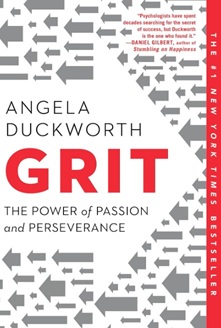
Grit: The Power of Passion and Perseverance: Duckworth, Angela: 9781501111112: Amazon.com: Books
Angela Duckworth calls this combination grit—passion and perseverance for long-term goals.
Students who develop grit do not rely on quick progress or short bursts of effort. They build interest, practice consistently, connect their work to meaningful ideas, and continue even when progress is slow.
Four Key Traits
Grit develops through four key traits: interest, practice, purpose, and hope. Each one plays a role in helping students maintain both passion and perseverance. Beyond the Page can help your child build grit one step at a time.
Interest: Sustained Engagement
Students begin to develop passion when they engage with meaningful material over a long time.
Beyond the Page uses:
- Literature that presents relatable and interesting characters and ideas
- Projects that inspire participation
- Hands-on activities that challenge
Practice: Working to Improve
Practice is effort focused on improvement.
As students work through the curriculum, rubrics and activities identify specific areas for improvement, redirection, or reteaching. Students are given opportunities to focus on those areas, revise their work, and improve.
Beyond the Page provides parents with tools that guide this process. Parents can help students review feedback, correct mistakes, and strengthen specific skills.
Students do not just complete assignments. They identify what needs improvement, make changes, and try again. This process builds the habit of improving their work over time.
Purpose: Connect Work to Something Larger
To create meaning, it is important to connect work to something larger than the lesson or activity you are working on. Here are some ways that Beyond the Page helps students find this purpose.
- A concept-based curriculum centers on universal concepts that span subject areas and contexts rather than focusing on isolated skills and facts.
- Many daily lesson plans include activities that encourage students to apply their learning in a real-world context.
- We encourage students to build skills like compassion, empathy, courage, and kindness. These skills will help them in learning and in life.
Hope: Reinforce That Effort Leads to Growth
Angela Duckworth defines hope in a precise way. She does not mean optimism or positive feelings. She means a student believes: my effort matters, I can improve, and when I get stuck, I can find another way. A curriculum that builds this kind of hope gives students clear experiences that show effort leads to progress.
At Beyond the Page, we view struggle as a part of learning. Students face challenges, make mistakes, and work through them. The effort they invest leads to stronger results and a greater sense of ownership in their work. Struggle is not a problem to avoid. It is the work of learning.
Passion and Perseverance
At Beyond the Page, we believe that a well-designed curriculum can help children develop traits that will carry them through life. Grit is one of these traits. The units children work through with Beyond the Page will help them build passion and perseverance as they achieve learning goals.
